California has enacted a broad election-security package that immediately creates new felony penalties for seizing ballots and expands practical protections around polling places ahead of the Nov. 3 election. Gov. Gavin Newsom signed the measures Saturday, according to the governor’s official announcement, which lists 12 bills covering ballot custody, mail voting, polling-place conduct, deceptive campaign content and cybersecurity.
The most direct change comes from Assembly Bill 282. It makes unauthorized seizure of ballots, election records or certified voting technology before certification a felony punishable by 16 months, two years or three years in prison. A supervisor who directs someone else to make such a seizure faces two, three or four years. The urgency law took effect immediately, and the Legislature expressly tied that timing to protecting the 2026 general election.
Ballot custody and preservation rules widen
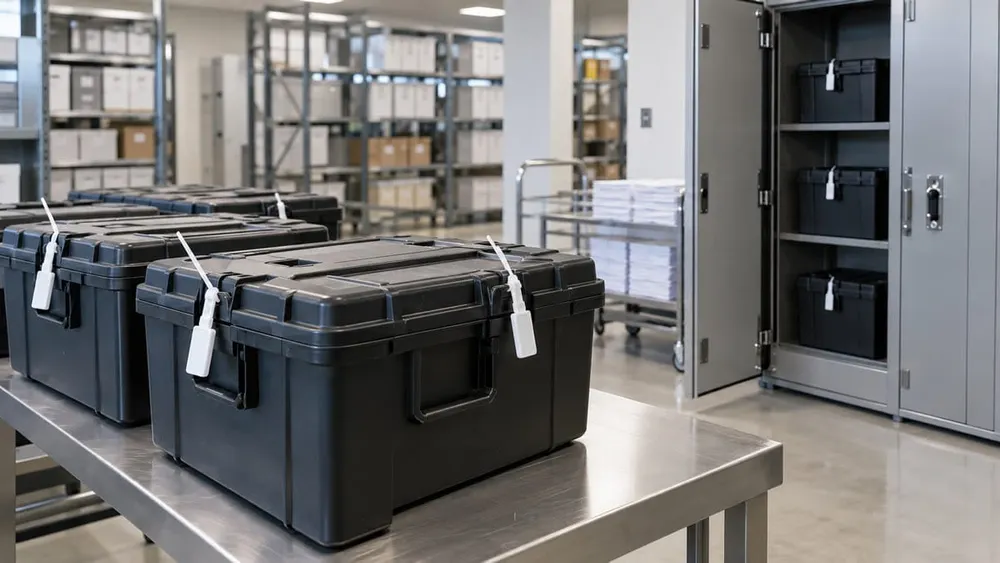
Senate Bill 1418 addresses the same risk from another angle. The enrolled measure expands the election materials that cannot be taken from an election official’s custody to include records, certified voting technology, electronic data, source code and equipment needed to conduct an election. It also requires electronic election data to remain stored unaltered on specified media and kept in a sealed container. For federal elections, covered electronic data must be retained for 22 months; for state and local elections, the period is six months.
These provisions follow months of litigation over Riverside County Sheriff Chad Bianco’s seizure of more than 650,000 ballots from a 2025 redistricting election. Associated Press reporting on the California Supreme Court dispute described the sheriff’s continuing refusal to return the materials while state officials challenged the legal basis for the seizure. The new statutes apply prospectively and do not decide that litigation.
Polling-place rules change through 2029
The package also changes what voters may see at voting locations. Under the temporary Protect Our Polls Act, Senate Bill 884, ballot drop-off locations must open at least 30 days before an election, rather than 28. On Election Day, law-enforcement officers generally may not arrest a person within 200 feet of a polling place while it is open, except for a crime that disrupts polling or a crime against a person or property. The law does not create immunity from prosecution.
County supervisors may also expand the existing electioneering buffer to as much as 200 feet, provided the distance is uniform across the county. If prohibited conduct disrupts voting, an election official may extend a polling place’s closing time after consulting county counsel; ballots cast during the extension must be provisional and kept separately. Those rules apply to elections beginning Nov. 3 and remain in force through 2030.
The broader package also requires prompt state notice of warrants or investigations involving election systems, commissions a review of lost federal cybersecurity support, extends restrictions on deceptive media and strengthens disclosure enforcement for paid political influencers. For voters, the central near-term effect is operational: earlier access to drop boxes, tighter ballot-custody rules and a defined enforcement buffer around polling places.