Rhode Island’s 2026 race for governor is now set after the Board of Elections certified the September 9 primary, confirming Republican Aaron Guckian’s 259-vote victory and advancing him to a general-election field led by Democratic nominee Helena Buonanno Foulkes.
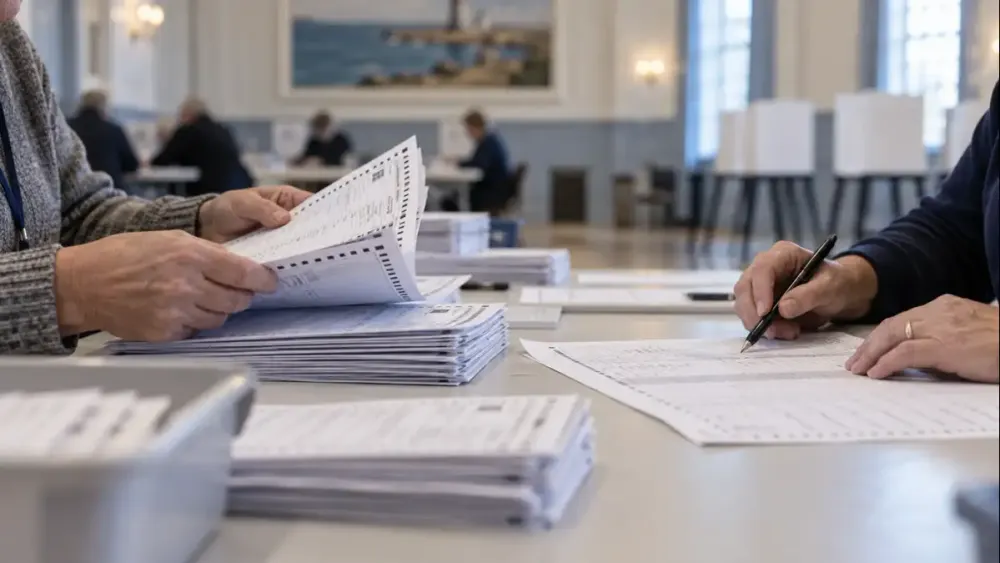
The board’s official statewide results close the state’s narrowest major-party contest and end a week of uncertainty over the Republican nomination. A review of ballot-counting memory devices produced the same margin, and the board certified all primary races on September 15, according to Rhode Island Current’s account of the public meeting.
Guckian defeated Elaine Pelino by 259 votes. Pelino had sought a recount, but election officials rejected that request and rechecked the electronic records used to compile the totals. The verification did not change a vote. That distinction matters: certification is the formal state action that turns reported returns into final results and allows the election system to move on to preparing November ballots.
The Republican nominee will face Foulkes, who defeated incumbent Gov. Dan McKee in the Democratic primary. The Associated Press reported that McKee was the first sitting governor nationwide to lose a party primary since 2018 and the first in Rhode Island in more than three decades. Foulkes, a former CVS and Hudson’s Bay executive, made management of the Washington Bridge replacement a central argument against the governor.
The November field also includes independents Ken Block, Jay Gotra and C.D. Reynolds, as listed through the state’s candidate tracking system. That gives voters more than a two-party choice and could complicate efforts by either major-party nominee to consolidate voters focused on government management and costs.
Guckian, an East Greenwich trade-association executive and the Republican nominee for lieutenant governor in 2022, has emphasized government spending, taxes and energy costs. Foulkes has framed her campaign around administrative competence, affordability and completing major state projects. Those positions now move from primary audiences to the broader electorate, while the three independent campaigns seek space between them.
Turnout added another significant marker. The elections board reported 158,973 ballots cast, slightly more than 20% of registered voters and the state’s highest primary participation rate in at least a decade. About two-thirds voted on primary day; 18% used mail ballots, and the balance voted early in person. In 2022, 137,686 voters participated, or about 17% of those registered.
Rhode Island’s compressed election calendar now becomes the practical issue. The Secretary of State’s 2026 election schedule places the general election on November 3. Election administrators said military and overseas ballots must be mailed by September 19, leaving only four days between certification and that federal deadline.
For voters, the immediate consequence is straightforward: the primary choices are final, and the governor’s race has moved into a seven-week general-election campaign. The certified result does not resolve the candidates’ policy differences or predict November’s outcome; it establishes who will appear on the ballot and confirms that the closest nomination contest survived the state’s post-election review unchanged.