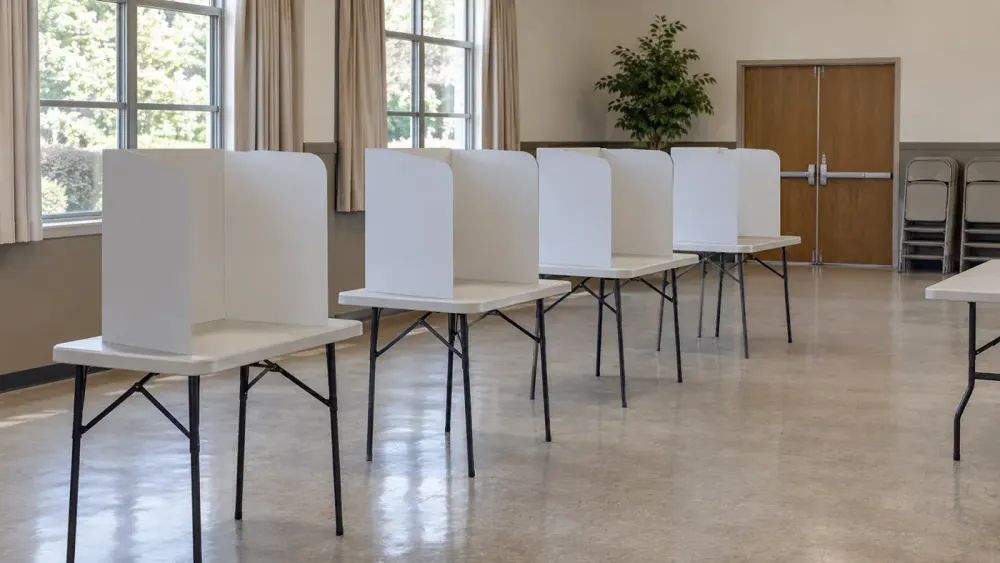
More than 2.8 million North Carolinians cast ballots before Election Day, state election officials said Monday, Nov. 2, after a record period of in-person early voting for a midterm. The surge puts nearly 36 percent of the state's registered voters on the books as having voted before Tuesday, when North Carolina will fill an open U.S. Senate seat that could help determine control of the chamber.
The increase came at early voting sites, even as mail voting declined compared with the last midterm. State Board of Elections official Jason Tyson told ABC11 that participation during the in-person early voting period was 35.6 percent higher than in 2022. The totals show who has participated and how they voted in the procedural sense, by mail or in person. They do not show which candidates those voters chose.
In-person voting drove the increase
More than 2.7 million voters cast ballots in person during early voting, compared with about 2 million in the 2022 midterm, according to NC Newsline. The 2.8 million figure includes mailed ballots as well. Keeping the two totals separate matters because a record for one voting method does not necessarily mean a record for overall participation once Election Day ballots are added.
The early voting period ended Saturday, Oct. 31, but the combined total is a snapshot rather than a final tally. The State Board publishes separate data files for absentee ballots, which in North Carolina include ballots cast at early voting sites, and for provisional ballots. Its reporting distinguishes a ballot request from a returned or accepted ballot. A count of requests would answer a different question from the count of people who have already voted.
Saturday was the busiest day of the early voting period, with about 249,000 people voting in person, NC Newsline reported. That final day is part of the reason a snapshot taken before the weekend would understate the volume that election officials reported Monday. The comparison with 2022 uses another midterm rather than a presidential election, when the top of the ballot and the reasons voters have to turn out differ.
Registration shows who voted, not whom they chose
Registered Democrats accounted for about 38 percent of ballots in the early and mail figures reported Monday. Unaffiliated voters accounted for about 35 percent and registered Republicans about 26 percent. Those shares describe the people who voted in that period; they are neither statewide registration shares nor a measure of support for the Senate candidates. Smaller parties and rounding account for the rest.
The unaffiliated share is especially significant for interpreting the data. It represents roughly a third of ballots already cast, and those voters have no party label from which to infer a preference. Nor does a party label bind a voter in a general election. The figures cannot show how many registered Democrats voted for a Republican, how many registered Republicans voted for a Democrat or how voters split their choices across different offices.
An open seat with national stakes
Former Democratic Gov. Roy Cooper and Republican Michael Whatley are seeking the seat held by Republican Sen. Thom Tillis, who is not running for reelection. WRAL reported that Green Party candidate Michael Dublin and Libertarian Shannon Bray are also running. The open seat gives Democrats a chance to gain ground without defeating a sitting senator and Republicans a chance to keep a seat already in their column.
The current Senate lineup is 53 Republicans, 45 Democrats and two independents who caucus with Democrats. A Democratic pickup in North Carolina would move one seat from the Republican column to the Democratic column, but it would take a net gain of four seats nationally to reach an outright majority. The outcome in North Carolina matters in combination with results elsewhere, even if the state reports a clear winner.
What the count can establish next
Election Day turnout will determine whether the growth in early participation reflects a larger electorate overall or a shift toward voting before Tuesday. Someone who voted early this year and on Election Day in 2022 contributes to the early voting increase without adding to the number of people who participate. The early totals cannot separate that change in timing from participation by people who sat out the previous midterm. The statewide turnout figure also covers voters making choices in races other than the Senate contest. It cannot establish how many of those who cast a ballot marked a choice for Senate.
The State Board's election primer distinguishes the daily turnout files from the reporting of election results. Provisional ballots require county review, and initial returns should be read as unofficial. Those later stages answer questions the turnout files cannot: how the votes divided among candidates and how many ballots were ultimately counted. For now, the record establishes that more North Carolinians used the early voting period than in any previous midterm, while the Senate result remains open.