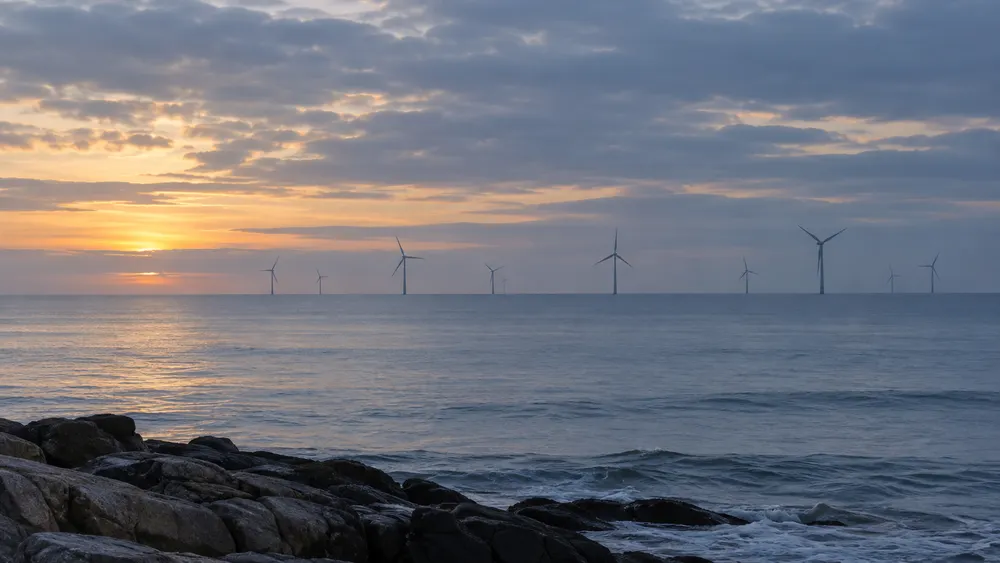
New York is leading a multistate legal challenge to two federal agreements that would cancel offshore-wind leases and reimburse the developers a combined $1.4 billion. Attorney General Letitia James and Gov. Kathy Hochul announced the lawsuits Sept. 22, asking federal courts to void the deals and prevent the Trump administration from carrying them out.
One case concerns Bluepoint Wind’s lease in the New York Bight, a roughly 71,000-acre area between New York and New Jersey. The states’ complaint says the Interior Department agreed to pay Bluepoint $765 million from the federal Judgment Fund to surrender the lease and direct that money to conventional energy projects. Bluepoint had planned a 2.4-gigawatt project that the filing says could have powered about 1.5 million homes in the two states.
The second complaint challenges a $653 million agreement with Invenergy covering three offshore leases, including one off New York. The state says the company would redirect the reimbursement toward natural-gas plants and geothermal projects outside New York. Together, the two New York-connected projects represented more than $16 billion in anticipated in-state investment and more than 2,800 projected jobs, according to the attorney general’s office.
Those are allegations, not court findings. The states argue that the agreements violate the Administrative Procedure Act, federal offshore-leasing law, environmental review requirements and statutes governing use of the Judgment Fund. They are seeking declarations that the transactions are unlawful, orders vacating the lease cancellations and injunctions against further implementation. Connecticut, Delaware, Maine, Massachusetts, New Jersey, Rhode Island and Vermont joined New York in both cases.
The administration describes the policy differently. Interior Secretary Doug Burgum has said the buybacks shift investment toward dependable energy infrastructure intended to support the economy and reduce utility costs. Under the agreements, developers are redirecting money toward fossil-fuel and geothermal projects. The Interior Department did not respond to a request for comment on the new litigation, according to AP.
For New York, the dispute is tied to expected electricity demand as well as climate policy. State officials project demand will grow 8% by 2030 and 24% by 2040, driven partly by economic development and large new loads such as data centers. They contend the canceled lease areas were expected to connect directly to New York City’s grid, where adding generation is especially difficult. NYSERDA’s broader offshore-wind program envisions enough generation to power six million homes and treats the resource as part of a diverse, resilient grid.
The lawsuits do not immediately revive either lease. They begin a judicial review of whether federal agencies had legal authority to structure the payments and cancellations as settlements and whether required procedures were followed. Until a court grants relief or the parties change course, the agreements remain the central obstacle to the projects. The practical question for New York is whether litigation can preserve those lease areas soon enough to matter for the state’s tightening power-supply timetable.