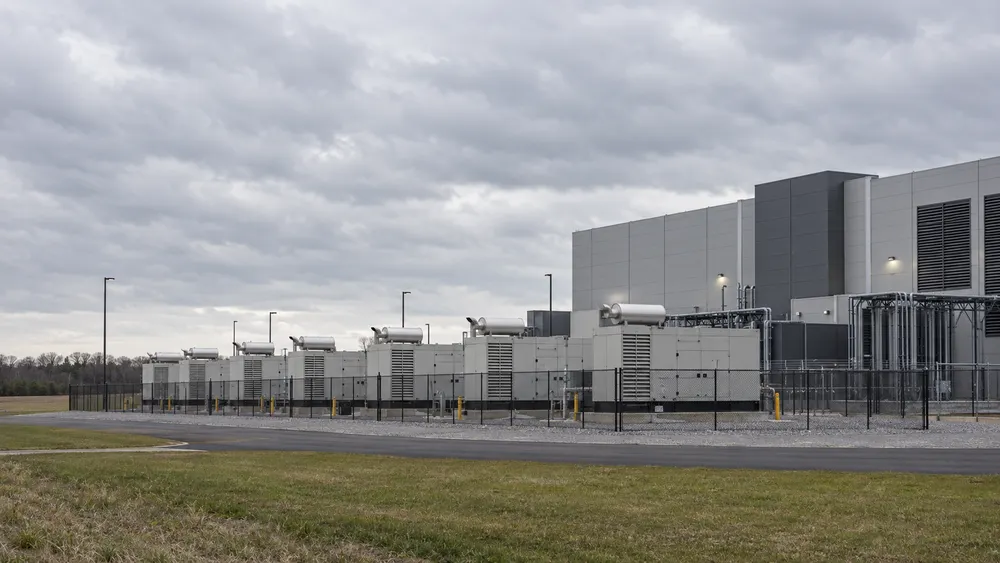
New Jersey environmental regulators have fined a large Vineland data center $1.07 million after state inspectors found 62 natural-gas generators operating without required air permits, a major enforcement action as the state confronts the environmental footprint of artificial-intelligence infrastructure.
The Department of Environmental Protection ordered DataOne to obtain permits or stop operating the generators, according to the New Jersey Monitor. Inspectors discovered the equipment during a July site visit. The fine covers installing and operating the units without authorization, and the company can contest the action through the state’s administrative process.
The finding is consequential because the generators are not described as occasional emergency backups. DataOne has pursued on-site power for a large computing campus whose electricity needs are far greater than those of a conventional commercial building. DEP Commissioner Ed Potosnak said the enforcement action was meant to signal that data centers must comply with New Jersey’s environmental rules while the industry expands.
The order is the clearest state response yet to months of local controversy. Residents have complained about persistent industrial noise, and a proposed class-action suit alleges that sound from the site has disrupted sleep and daily life. A Guardian report described the facility as a roughly 350-megawatt project and documented complaints from households near the property. Those allegations are separate from DEP’s air-permit case and remain disputed legal claims rather than findings in the state order.
Environmental and community groups had also raised questions about gas generation and a large liquefied-natural-gas installation before the fine. Tom’s Hardware summarized those complaints in August, including allegations involving the same 62 generators. The new enforcement action independently confirms the core permitting issue, while other concerns about noise, stormwater and construction approvals are being handled through different regulatory and legal channels.
At the local level, Vineland’s planning process has continued. DataOne said in a company statement that the city Planning Board approved an amended site plan for the campus. Local land-use approval, however, does not replace state air permits. The two reviews address different obligations: municipal boards govern site design and zoning, while DEP regulates emissions-producing equipment under state environmental law.
The case also shows why power strategy is becoming central to data-center oversight. Large campuses increasingly seek dedicated generation to avoid long waits for grid connections, but combustion equipment can trigger permit reviews, emissions limits, monitoring and public-notice requirements. A facility can therefore have local building or planning permission while still lacking authorization to run its power equipment.
For Vineland residents, the immediate question is whether the generators will keep operating while DataOne responds to the order. For state officials, the broader test is whether enforcement can keep pace with projects whose energy demand and construction schedules are unusually large. The $1.07 million penalty does not resolve every dispute surrounding the campus, but it establishes that New Jersey intends to apply existing air rules before treating data centers as fully operational.