Pirelli has approved a roughly $1.2 billion expansion of its tire plant in Rome, Georgia, a multiyear project the company says will create about 1,000 jobs and raise annual production capacity to six million car tires by 2033.
The investment would sharply enlarge an operation that currently employs 234 Georgians across manufacturing, research and its U.S. headquarters, according to the governor’s announcement. Pirelli opened the Rome facility in 2002. The projected new positions therefore represent a significant change for the Floyd County plant, but most hiring is not expected to begin until 2029 and full operations are scheduled for 2033.
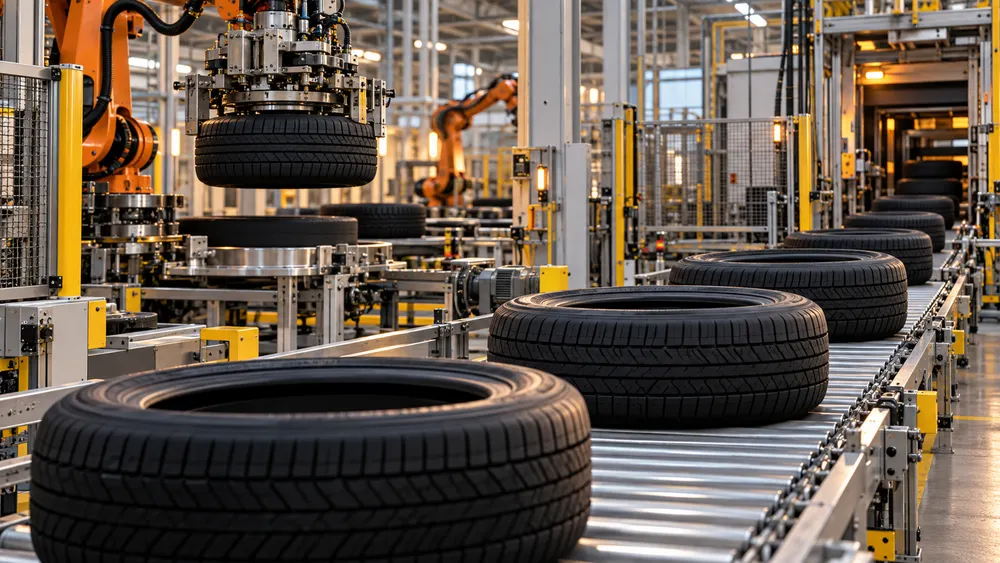
Pirelli’s board approved the plan on September 22 as an investment of approximately €1 billion, or about $1.2 billion. Its release says construction and equipment spending will start in 2027 and unfold in two phases. The first would expand robotized production using the company’s modular manufacturing system, eventually reaching three million tires a year. A second automated conventional production line would add another three million tires of annual capacity.
The factory is also slated to manufacture Pirelli’s Cyber Tyre, which combines sensors embedded in tires with software that sends real-time information to vehicles. Pirelli first disclosed the U.S. production plan in May, when Reuters reported that the Georgia plant supplied only about 5% of the company’s U.S. demand even though the American market generated more than 20% of Pirelli’s revenue.
The company says the expansion is designed to bring more high-value production closer to U.S. customers and reduce supply-chain exposure. Pirelli estimates that the United States accounts for roughly 40% of global volumes in the high-value tire segment. It expects production capacity to begin rising in 2028, one year before the bulk of the planned hiring.
For northwest Georgia, the timetable is as important as the headline figure. The job estimate is a company projection tied to completion of both phases, not a count of positions already filled. The state release identifies the Georgia Department of Economic Development, Rome-Floyd Development Authority, Georgia Quick Start and Georgia Power as project partners, but it does not disclose the value or terms of any public incentives.
The project also follows a governance dispute involving Pirelli’s largest shareholder, China’s Sinochem. Italy used national-security powers this year to limit the investor’s influence, and the U.S. Bureau of Industry and Security subsequently authorized Pirelli to market Cyber Tyre technology in the United States. Reuters reported that the restrictions were intended to resolve concerns about U.S. rules limiting Chinese technology in the auto sector.
Pirelli said the expansion will not change its 2026 financial targets and that capital spending relative to revenue through 2033 should remain in line with prior periods. For Georgia, the practical milestones will be whether construction begins in 2027, production rises in 2028 and the promised hiring arrives on the 2029 schedule.