
Minnesota’s regulated cannabis market passed $250 million in combined adult-use and medical sales during its first year, giving policymakers their clearest evidence yet that the state’s long-planned legal market has moved from licensing into sustained commercial activity. The market update, released Sept. 15 by the Office of Cannabis Management, attributes about $150 million to adult-use purchases and $100 million to medical cannabis since state-licensed recreational sales began Sept. 16, 2025.
The same review said cannabis and lower-potency hemp edible and beverage sales generated $45.6 million in state tax revenue from September 2025 through July 2026, the latest period available. That figure is not a direct measure of the $250 million sales total because lower-potency hemp transactions are included in the tax calculation but are not required to pass through the state’s seed-to-sale tracking system. Minnesota’s tax guidance says taxable cannabis products face a 15% gross-receipts tax in addition to the 6.875% state sales tax and applicable local taxes.
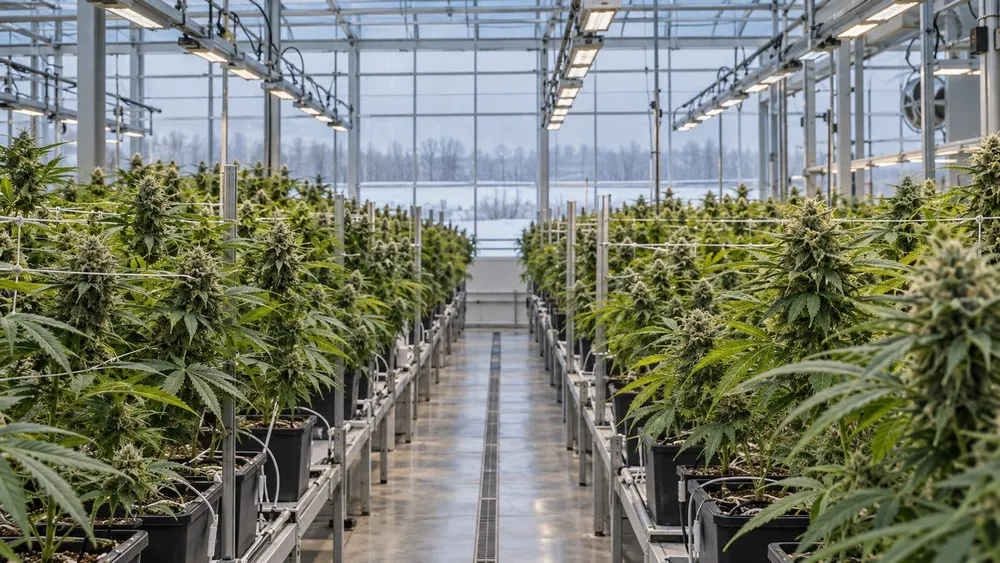
Supply also expanded sharply during the summer. OCM’s one-year summary reports 95 newly licensed cultivators from June through August and 486,720 plants in licensed inventory, up from 72,083 in 2025. Nearly three-quarters of license holders authorized for cultivation are microbusinesses, which may combine small-scale growing with manufacturing and a retail location. Those numbers matter because product availability, wholesale prices and the pace at which licensed stores can open all depend on a reliable in-state supply chain.
The market is broadening, but the state’s figures also require careful reading. OCM reported that 43% of Minnesota’s licensed cannabis businesses are owned by verified social-equity applicants and that 86% of licenses issued in four capped categories went to social-equity businesses. The agency’s separate application tables, updated Sept. 21, distinguish licenses actually issued from applicants still under review or holding preliminary approval. A license count therefore should not be read as a count of open storefronts.
Medical participation has grown alongside adult-use sales. The one-year review puts enrollment above 90,000 patients, more than double the roughly 41,000 enrolled before Minnesota eliminated annual patient fees in 2023 and expanded qualifying conditions in 2024. Adult-use legalization did not replace that program; medical sales account for roughly two-fifths of the first-year total reported by OCM.
For businesses and regulators, the next test is whether licensing, cultivation and retail access grow at a pace that keeps the legal market competitive without producing unstable oversupply. The state’s market monitor publishes aggregated licensing, retail, product and cultivation data drawn from the inventory system that tracks regulated cannabis from production through sale. Monthly results can expose changes that a single anniversary snapshot cannot. That reporting will be essential for judging whether the first-year revenue milestone translates into durable businesses, broader geographic access and consistent tax receipts.