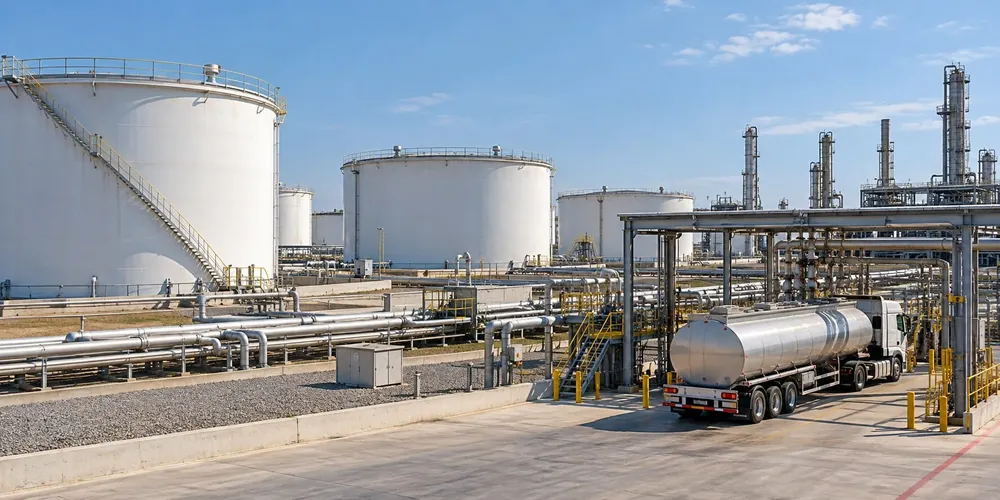
The Group of Seven will release 100 million barrels of emergency oil and fuel stocks over four months, front-loading diesel within 20 days as U.S. pump prices remain near record highs. The coordinated intervention begins immediately and will be managed through the International Energy Agency, according to the G7’s joint statement.
The decision is a direct response to an energy shock that has spread from the Iran war and disruption in the Strait of Hormuz into freight, farming and household costs. The U.S. national diesel average stood at about $6.39 a gallon Friday, only modestly below the Sept. 22 record of $6.53, according to AAA data. The intervention is intended to add supply quickly enough to ease those pressures without splintering energy trade among allied economies.
Diesel comes first
The G7 did not publish a country-by-country allocation or specify how much of the 100 million barrels will be crude oil, diesel or other refined products. It did say the release would be spread across four months, with a “substantial” amount of diesel delivered in the first 20 days. Members also agreed to coordinate refinery maintenance, raise utilization where feasible and press other large refining countries to increase production.
Those details matter because crude oil cannot replace diesel at the pump immediately. Refineries must process the crude, and available capacity, product specifications and transportation bottlenecks will determine how much usable fuel reaches markets. Reuters reported that European governments had discussed releasing 50 million barrels of diesel while other IEA members supplied 50 million barrels of crude, but the final G7 statement did not confirm that split.
Markets react to the announcement
Fuel markets moved quickly as the negotiations became public. U.S. diesel futures fell more than 4% to roughly $4.45 a gallon, while benchmark European diesel futures dropped by more than $90 per metric ton, Reuters reported. Crude also declined: December Brent fell below $100 a barrel and West Texas Intermediate dropped below $88 in Friday trading, according to the market reaction.
The declines show that traders expect the release to improve near-term availability. They do not establish how much consumers will save or how quickly retail prices will fall. Shipping risks remain elevated around the Strait of Hormuz, and any new military escalation or refinery disruption could overwhelm the relief supplied by strategic stocks.
Export-ban threat recedes
The agreement also lowers the immediate risk of a U.S. diesel export ban. Some Republican lawmakers had urged the administration to keep domestically produced fuel at home as prices surged. The G7 instead pledged not to restrict energy exports among member countries and called on other producers to avoid bans that could worsen market tensions.
President Donald Trump said the European release would begin immediately. The Associated Press reported that Trump joined the G7 talks after speaking overnight with French President Emmanuel Macron, who chaired the virtual meeting. France currently holds the G7 presidency.
What happens next
The IEA is expected to convene members in the coming days to work through implementation and consider additional diesel releases. The G7 asked the agency to deliver a follow-up report within 20 days covering market effects, compliance and how depleted stocks should eventually be replenished.
The central uncertainty is execution. Governments must now identify the barrels, publish delivery schedules and move products through constrained refining and distribution systems. Until those steps are visible, the 100-million-barrel figure is a consequential commitment rather than a guarantee of immediate relief at American pumps.