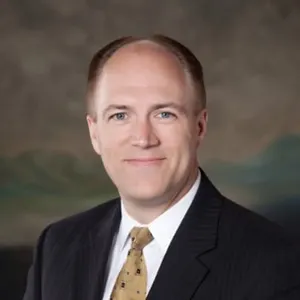
Jack Dorsey resigned Monday as chief executive of Twitter, ending his second tenure running the social-media company he co-founded and handing the job to longtime technology chief Parag Agrawal as Twitter tries to accelerate product development and reach aggressive growth targets.
Twitter disclosed the leadership change in an SEC filing, saying the board unanimously appointed Agrawal chief executive effective immediately. Dorsey will remain on the board until his term expires at the 2022 annual meeting, providing a transition period before leaving the company’s governance structure as well.
A founder exits for the second time
Dorsey’s departure closes another chapter in a relationship with Twitter that has been unusually complicated even by Silicon Valley standards. He helped create the service in 2006, became its first chief executive, was removed from the role in 2008 and returned as permanent CEO in 2015. He has simultaneously led payments company Square, a dual role that became a focus for some investors who argued that Twitter needed a full-time chief executive.
In Twitter’s official announcement, Dorsey said he decided to leave because he believes the company is ready to move beyond its founders. He identified Agrawal, incoming independent board chair Bret Taylor and Twitter employees as reasons for his confidence in the transition.
The move follows a period of unusually explicit investor pressure. Elliott Management took a stake in Twitter in 2020 and pushed for governance and performance changes, including questions about whether Dorsey could effectively run both Twitter and Square. Twitter subsequently struck an agreement that added board members and established operational targets while leaving Dorsey in place.
Agrawal inherits ambitious targets
Agrawal joined Twitter in 2011 and became chief technology officer in 2017. His elevation gives an engineer who has spent a decade inside the company responsibility for a business that has promised investors much faster growth. Twitter has said it aims to reach at least 315 million monetizable daily active users by the end of 2023 and to at least double annual revenue from 2020 levels during that period.
A contemporaneous TechCrunch report noted that Twitter shares rose sharply when news of a possible Dorsey departure first emerged, reflecting market expectations that a change could sharpen management focus. The Guardian described the transition as the end of Dorsey’s latest period atop the company after years in which Twitter became central to global political and cultural debate.
The immediate challenge is execution. Twitter has launched or expanded products including audio conversations through Spaces, subscription service Twitter Blue, creator tools, newsletters and new advertising formats. Yet its smaller scale relative to Facebook, YouTube and TikTok leaves the company under constant pressure to prove it can turn cultural relevance into sustained user and revenue growth.
Leadership change without a strategy reset
The appointment of an internal successor suggests the board is seeking faster execution rather than a wholesale strategic reversal. The Washington Post reported that Agrawal has been deeply involved in Twitter’s technical direction and its efforts to decentralize parts of social networking technology. Dorsey has been an outspoken supporter of decentralized systems and cryptocurrencies, themes that have influenced parts of Twitter’s product agenda.
Agrawal also inherits the policy challenges that accompany Twitter’s role in public discourse. The company has spent years building systems to address harassment, misinformation, manipulation and abuse while facing criticism from competing political perspectives about how those rules are enforced. Those disputes are unlikely to recede simply because the chief executive has changed.
Market observers are also watching the implications for Square, where Dorsey remains chief executive. S&P Global Market Intelligence reported on the market reaction as investors assessed whether leaving Twitter would allow Dorsey to concentrate more fully on the payments company and its expanding cryptocurrency initiatives.
A test of Twitter beyond its founder
The transition is notable because Twitter has often been inseparable from Dorsey’s public identity. His minimalist management style, unusual corporate structure and simultaneous leadership of two public companies made him one of the technology industry’s most distinctive executives. An UPI report captured the abruptness of Monday’s announcement and the immediate elevation of Agrawal.
For Twitter’s board, however, the central question is less symbolic than operational. The company has promised substantially more users, revenue and product velocity. Agrawal now owns those promises. His appointment tests whether Twitter can preserve the qualities that made it globally influential while operating with the discipline expected of a mature public company—and whether it can finally establish an identity no longer dependent on the founder who helped create it.