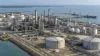

TotalEnergies says redesigning Papua LNG and reopening construction bids has cut roughly $4 billion from the proposed export project’s capital cost, bringing the estimate to about $14 billion. The company’s September 7 announcement moves one of the Pacific’s largest prospective energy investments closer to a final decision after repeated delays and cost pressure.
The savings are substantial, but they are not a final approval or a guarantee that construction will begin. Engineering, procurement and construction tendering is complete, yet recommended awards still need approval from the joint-venture partners. TotalEnergies Chief Executive Patrick Pouyanné has targeted November for a final investment decision, according to Reuters. Financing, partner commitments and remaining government and community obligations must still align.
The disclosure also changes the project’s operating structure. ExxonMobil, which operates the neighboring PNG LNG plant, is set to assume operatorship, while TotalEnergies plans to reduce its interest by 9.1 percentage points and retain 20 percent. The changes concentrate execution under the company already running the shared downstream complex and reduce TotalEnergies’ capital exposure without cutting its stated share of LNG purchases.
How $4 Billion Was Removed
TotalEnergies attributes the reduction to design optimization and a broader round of competitive bidding that included more Asian engineering contractors. One cited change is an alternative method for handling upstream condensate in coordination with the existing PNG LNG system. Reusing infrastructure, standardizing interfaces and inviting a larger contractor pool can lower duplicated equipment, contingency allowances and construction premiums before contracts are signed.
The new estimate implies a reduction of about 22 percent from an approximately $18 billion planning case, though comparisons should be treated cautiously because project scope and price assumptions can change between estimates. A lower headline budget improves the break-even calculation and reduces the equity and debt partners must supply. Spread across the planned annual output, it can also give marketers more room to offer competitive contract prices. It does not eliminate exposure to inflation, schedule slippage, foreign-exchange movements or difficult construction logistics once work begins.
The project’s official overview describes a 5.6-million-ton-per-year export development linking the Elk and Antelope gas fields in Gulf Province to liquefaction facilities near Port Moresby. Three new electrified trains would provide 4 million tons of annual capacity, supplemented by up to 2 million tons through existing PNG LNG trains. That shared design is central to both the revised economics and the transfer to ExxonMobil.
Partners Reallocate Risk
Transferring operatorship is more than an administrative change. ExxonMobil already manages the plant, marine facilities and operating systems that Papua LNG intends to use. A single operator can reduce handoffs during detailed engineering, tie-in construction and commissioning. It also places responsibility for integrating a new supply chain into an operating export complex with a company familiar with the site’s safety, maintenance and shipping requirements.
TotalEnergies said it will retain its LNG offtake while selling down project equity to partners. The company separately agreed to buy 1.5 million tons a year for its global portfolio. Papua New Guinea’s state-owned Kumul Petroleum and TotalEnergies also formed a marketing venture for 2.4 million tons annually, giving the state a direct commercial role in placing a large part of the output rather than relying solely on project-company sales.
Co-owner Santos had already said a fourth-quarter decision remained its target. An August industry report, based on the Australian producer’s investor presentation, said the project could contribute about 1 million tons of Santos equity LNG and roughly 11 million barrels of oil equivalent a year at plateau. Those prospective volumes explain why partners have continued revising a project that has missed earlier decision dates.
Commercial Timing Is Both Help and Risk
Papua LNG would enter a market already heading toward its largest expansion on record. The International Energy Agency’s tracker says about 345 billion cubic meters a year of new export capacity from projects already under construction is expected between 2025 and 2030. That wave may improve supply security for buyers, but it also raises the possibility of intense price competition when Papua LNG seeks long-term contracts and eventually starts production.
The project’s location offers access to Asian customers and shorter voyages than many Atlantic suppliers. Long-term buyers may also value supply diversity after recent geopolitical and shipping disruptions. Utilities typically balance price, destination flexibility, credit quality and delivery reliability rather than selecting supply on distance alone. However, a final decision taken in late 2026 would still leave years of construction before first cargo. Demand, competing projects, carbon policy and contract pricing could look different by the time the plant is ready.
Reducing capital cost is therefore strategically important. Every dollar removed lowers the revenue required to earn an acceptable return and can make lenders more comfortable with downside scenarios. Yet the estimate is a pre-construction target. Investors will watch whether fixed-price terms genuinely transfer risk, whether contractors have sufficient labor and fabrication capacity, and whether savings depend on assumptions that later change during detailed engineering.
Financing Remains a Gate
The smaller budget may widen the financing pool, but Papua LNG has faced resistance from major institutions. In 2025, Intesa Sanpaolo and the Asian Development Bank told Reuters they would not finance the project, while 13 banks and export-credit agencies had ruled out participation. That earlier report also documented how environmental policies were pushing some fossil-fuel developments toward Asian lenders and greater sponsor equity.
Environmental and Indigenous-rights questions remain part of the credit decision. TotalEnergies says its consent process uses independent legal advisers, that updated climate and human-rights assessments have been completed, and that the design seeks biodiversity gains. Its January response says the project avoids displacement of permanently settled communities and incorporates carbon-dioxide reinjection and other mitigation measures.
Campaign groups dispute whether those safeguards are adequate. A coalition led by Reclaim Finance says lenders lack sufficient evidence that communities understand project risks and alleges serious climate, biodiversity and human-rights exposure. Its critique estimates 220 million tons of lifetime carbon emissions and effects on at least 12,700 Indigenous people. Those are advocacy estimates, not findings accepted by the developer, but they identify issues financiers must independently test.
What a Final Decision Must Resolve
Before approving construction, partners will need binding contracts, a complete financing plan, updated cost contingencies and confidence that marketing arrangements cover enough output on acceptable terms. The amended gas agreement with the government settles part of the commercial framework, while the Kumul venture gives Papua New Guinea more participation in sales. Details of debt, guarantees, contractor awards and buyer commitments remain essential to judging the project’s risk.
The national stakes are high. A project of this scale can generate taxes, royalties, employment, supplier work and foreign exchange, but benefits depend on transparent agreements, durable local capacity and disciplined public-finance management. Construction spending can lift growth quickly while leaving the longer-term outcome dependent on how revenues are shared and invested. Cost overruns or schedule delays can reduce returns long before revenue arrives. Community consent, land access and credible monitoring are business dependencies as well as social obligations because unresolved disputes can stop work and raise financing costs.
TotalEnergies has materially improved Papua LNG’s commercial case by stripping out nearly $4 billion, securing a marketing structure and putting integration in ExxonMobil’s hands. The milestone is best understood as a revised proposal that partners can now decide upon, not as a sanctioned project. November’s decision will show whether the savings, financing and risk allocation are strong enough to turn the new estimate into construction.