
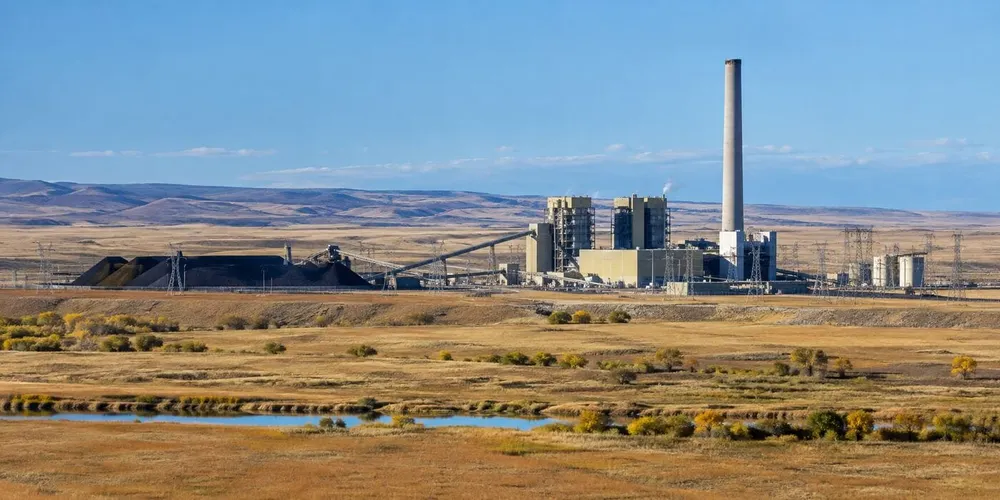
The Environmental Protection Agency has finalized a partial repeal of 2024 greenhouse-gas limits for fossil-fuel power plants, removing federal requirements that would have pushed long-running coal units toward carbon capture or retirement. For Wyoming—the nation’s largest coal-producing state—the decision eases a major federal compliance pressure, but it does not guarantee that aging plants will remain open or that power costs will fall.
EPA Administrator Lee Zeldin signed the action Sept. 14 and submitted it for publication in the Federal Register. The agency’s prepublication rule repeals emission guidelines for existing fossil-fuel steam units and eliminates carbon-capture requirements for certain new generating units. EPA concluded that 90% carbon capture was not adequately demonstrated or reasonably priced for the affected plants.
The agency also issued a separate proposal to rescind the remaining federal greenhouse-gas requirements for power plants. That proposal is not yet final. EPA’s announcement says the combined policy would reduce compliance costs and support grid reliability; those are the administration’s projections and will be tested through implementation and likely litigation.
Gov. Mark Gordon welcomed the repeal, saying Wyoming had challenged the prior administration’s authority to regulate greenhouse gases and describing the decision as positive for the state’s fossil-fuel economy. WyoFile reported that environmental advocates opposed the move and argued it would extend reliance on older generating units while weakening incentives for cleaner investment.
The stakes are unusually large for Wyoming. The Energy Information Administration says the state has led national coal production since 1988 and supplied about two-fifths of all coal mined in 2025. Coal-sector demand is tied closely to the operating plans of power plants that burn fuel mined in the Powder River Basin, so federal rules affecting plant retirement and retrofit decisions can reach mine production, rail shipments, local employment and public revenue.
The repeal changes the federal baseline, not every factor facing a power plant. Utilities will still weigh fuel, maintenance and capital costs; regional electricity demand; transmission constraints; other air-pollution rules; and state utility decisions. The action also does not reopen retired plants or cancel company retirement dates automatically.
Legal durability is another open question. Reuters reported that challenges are expected and that critics point to the foregone emissions and health benefits calculated under the 2024 rule. EPA argues the earlier standards exceeded its Clean Air Act authority and relied on technologies or timelines that were not achievable.
For Wyoming officials, utilities and coal producers, the immediate task is to separate the rule’s legal effect from its political claims. The final text becomes controlling through the Federal Register process, while the broader proposal must proceed through public comment before any additional requirements can be removed.
What to watch: the Federal Register publication date, court filings seeking to block the repeal, utility updates to plant plans, and the comment schedule for EPA’s broader proposal.