
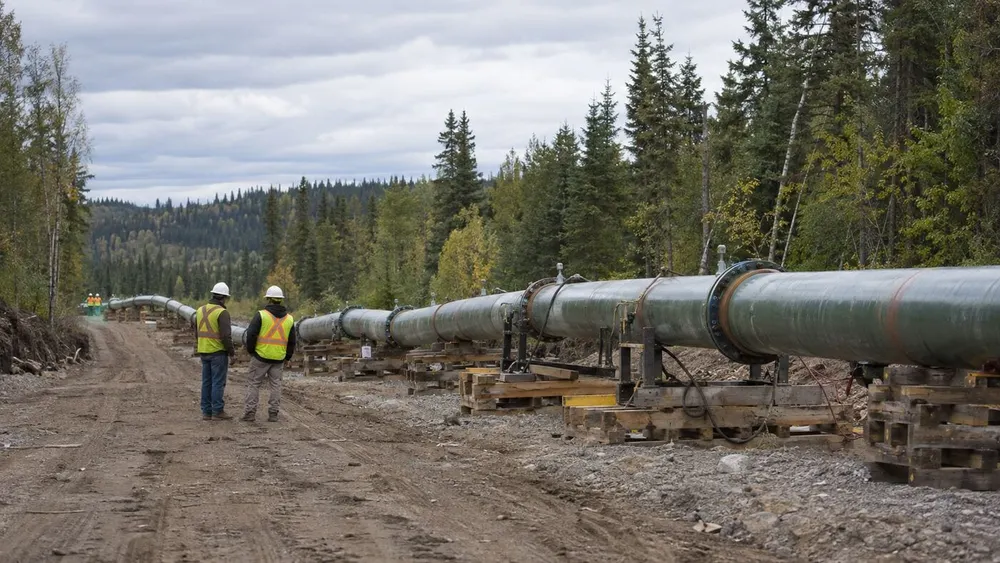
Enbridge has returned Line 5 to service through a temporary bypass around the site of an Aug. 25 natural-gas-liquids release in Iron County, even though Wisconsin environmental regulators had asked the company to stop bypass construction until it obtained state approvals. The restart restores a major fuel route while leaving a live dispute over permitting and cleanup.
The pipeline resumed operation over the weekend, Wisconsin Public Radio reported Monday. Enbridge said it coordinated with federal regulators and local officials and continues to work with the Department of Natural Resources on permitting and environmental conditions at the incident site.
The temporary bypass is approximately 1,500 feet long, according to the company’s incident updates. Enbridge says monitoring has found safe air quality where crews are working and no detected impacts in surface-water and nearby residential-well samples. It also says soil and water monitoring will continue, with plans to test, remove and properly dispose of affected trench soil.
Those findings are company statements, not a final regulatory determination. The DNR has not publicly resolved the permit question. Secretary Karen Hyun asked Enbridge last week to halt bypass work because the company lacked state authorization, according to the agency correspondence described by WPR. State inspectors had observed wetland matting, temporary water crossings and erosion-control issues outside the area covered by existing project permits.
The distinction between federal and state authority is central. Federal pipeline-safety regulators oversee design, operation and incident response, while Wisconsin administers permits governing wetlands, waterways and construction-site stormwater. The DNR’s Line 5 project record explains that the broader relocation project already has waterway, wetland and stormwater approvals, but the agency said the emergency bypass was beyond that approved footprint.
The original release occurred when an unoccupied flatbed truck rolled into an open excavation and struck the pipe. Enbridge reported that about 31,000 barrels—roughly 1.3 million gallons—of propane- and butane-heavy natural gas liquids vaporized. A review of federal spill data found it was the largest reported oil-and-gas pipeline spill in Wisconsin in more than 50 years. No injuries were reported, though a nearby rural home was evacuated as a precaution.
For residents, the practical point is that service has resumed but remediation, air and water monitoring, and incident investigations remain active. The bypass does not settle whether state permits were required before construction, nor does it close potential enforcement questions. Future DNR notices and federal incident findings will determine whether the restart changes operating conditions or produces corrective orders. Line 5 generally moves crude oil and natural gas liquids, including feedstock used by refineries and propane production facilities serving the region.
What to watch: publication of state permit decisions, any enforcement action tied to wetland or waterway work, updated monitoring results, and the timetable for removing the damaged pipe and temporary bypass.