West Virginia declined a federal nuclear-campus hosting agreement on Sept. 30, according to a signed state letter, after a dispute over whether its plans included spent-fuel storage. A Monday report by The Washington Post revisited the abandoned bid and community opposition. The withdrawal is not a new action taken Oct. 19.
Office of Energy director Nicholas S. Preservati told the U.S. Department of Energy that West Virginia could not execute the agreement or fully commit to its requirements. The letter itself does not specify which agreement requirements the state could not accept. It also said the state remained willing to support the broader initiative and future recipients. West Virginia Public Broadcasting reported the withdrawal Oct. 1, after the deadline for the next agreement passed.
A broader proposal than power generation
The federal program description includes fuel fabrication, enrichment, recycling used fuel and waste disposition through voluntary federal-state partnerships. It records West Virginia’s September memorandum of understanding, an earlier exploratory step—not proof that a campus received construction or operating approval.
According to MetroNews’ review of the state’s April submission, the 48-page response proposed beginning with spent-fuel recycling and interim storage before expanding into advanced reactors and manufacturing. WV News likewise reported that the proposal included consolidated storage and possible long-term disposal research. Those were proposed activities, not completed permits.
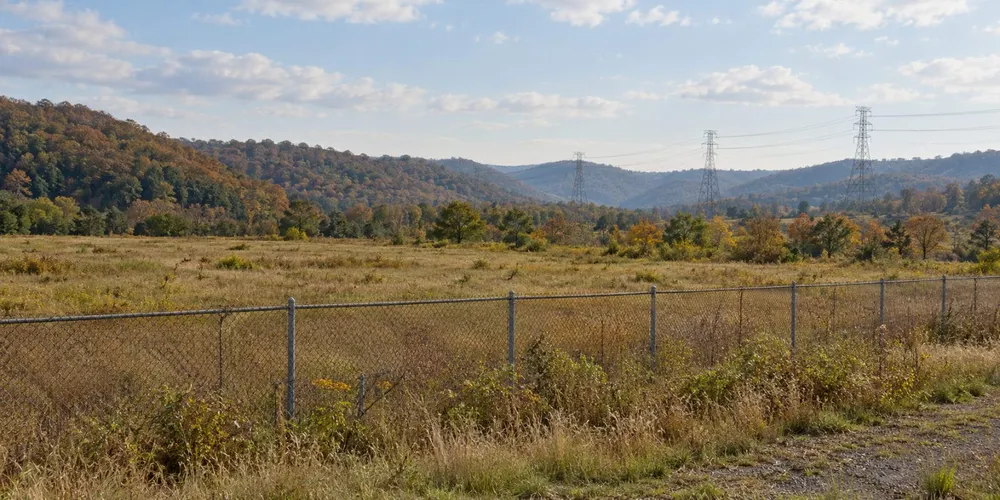
The state identified potential locations in Boone, Jackson and Jefferson counties, including Hobet and Old Standard. WV News reported that the sites had not been fully vetted or qualified geologically. That distinction is important for residents: identifying land in an application does not establish that it is suitable, selected or authorized for nuclear-material storage.
The governor’s position and the written record
Gov. Patrick Morrisey publicly emphasized generation and manufacturing while rejecting nuclear-waste disposal in West Virginia. MetroNews reported that he directed the energy office to limit sites in any final application to generation or manufacturing. The outlet also reported that the nonbinding September memorandum contemplated negotiations addressing out-of-state used fuel and radioactive waste. That difference explains why the initial application and the governor’s later position cannot be treated as interchangeable descriptions of one approved project.
The Observer’s review similarly identified storage as an early priority in the April proposal and reported the administration’s subsequent rejection of nuclear waste. Its updated account links the Sept. 30 withdrawal letter, placing the competing descriptions within a documented sequence rather than suggesting the original bid remains active.
Withdrawal from this campus process is separate from West Virginia’s broader ability to pursue nuclear energy. The Legislature’s 2022 record shows enactment of Senate Bill 4 repealing the state’s construction ban. WV News notes that declining the federal agreement does not preclude other generation or manufacturing projects. Neither development amounts to approval of a particular facility.