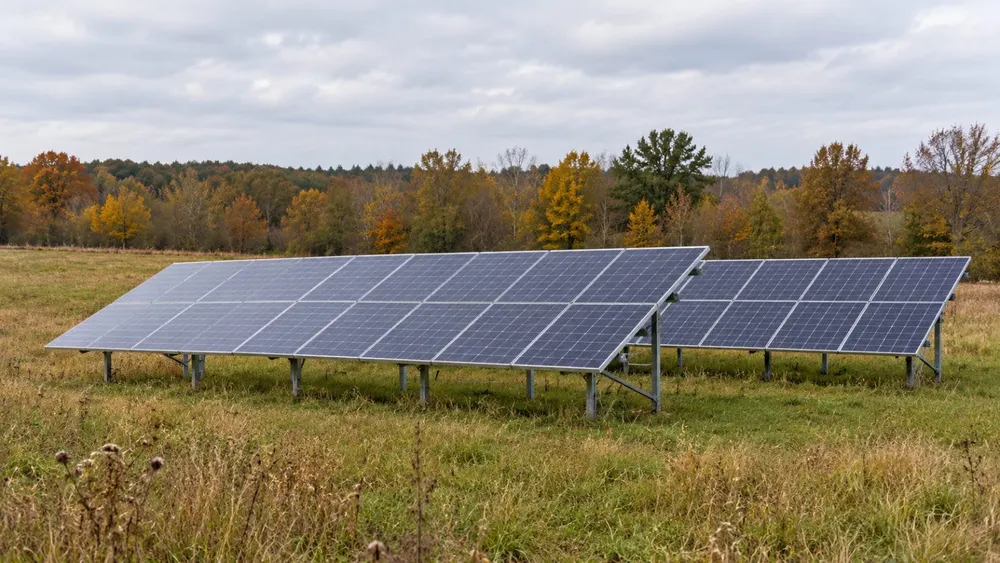
Virginia’s review of shared-solar regulations has a Nov. 6 deadline for a State Corporation Commission staff report, under a Sept. 14 procedural order published in the Virginia Register on Monday, Oct. 19. The proceeding concerns participation and billing rules for Dominion Energy Virginia and Appalachian Power customers, not approval of an individual solar project.
The publication date matters: this is not a new comment window opening Monday. The order extended public comments to Oct. 16, a deadline that has already passed. The commission’s rulemaking page lists the shared-solar proceeding and its scheduling orders; the proposed amendments remain a separate document from the procedural notice.
Why the schedule changed
According to the Sept. 14 order, Dominion and Appalachian Power were omitted from the docket’s service list and did not receive the original Aug. 25 order when it was entered. Regulators reset notice requirements for existing shared-solar customers and registered subscriber organizations. The November staff filing is to address comments, proposals or hearing requests—not a promised date for final approval.
What regulators are considering
The proposed amendments implement 2026 legislation affecting both utilities’ programs. Their summary identifies expanded participation caps, new net-crediting requirements for Appalachian Power’s program and changes to the distribution of excess bill credits. Proposed implementation language calls for updated utility tariffs, agreements or forms by March 1, 2027. These are proposed regulatory provisions, not a claim that every customer’s bill changes immediately.
Under the proposed Appalachian Power billing provisions, subscriber organizations could choose separate billing or the utility’s consolidated service. Net crediting would put subscription charges and solar credits on the utility bill; its fee could not exceed 1% of bill-credit value. Subscription fees using that model could not exceed the credits received. The governing statute also provides for optional net crediting, tying the regulatory work to legislative requirements rather than a new standalone incentive. The statute dates that net-crediting requirement to July 1, 2027, an important distinction from the pending regulatory timetable.
For low-income subscribers, the same law separately requires at least 10% net financial savings relative to subscription fees throughout the subscription. That statutory safeguard concerns the customer’s financial result, not just the volume of solar generation.
What subscribers should watch
Shared solar does not require panels on a subscriber’s own roof. Virginia Energy explains that customers subscribe to an off-site facility within their utility territory and receive bill credits while continuing to receive electricity from the grid. The agency advises comparing subscription charges, contract length, exit terms and whether a minimum utility bill limits savings.
That last point can be consequential. In an Oct. 5 market analysis, consultant Power Advisory explained that minimum bills and seasonal differences between electricity use and solar output can constrain usable credits. The Dominion statute requires subscription sizing based on the customer’s average annual bill and provides for carrying excess credits forward. More program capacity therefore does not, by itself, establish what an individual household will save.