
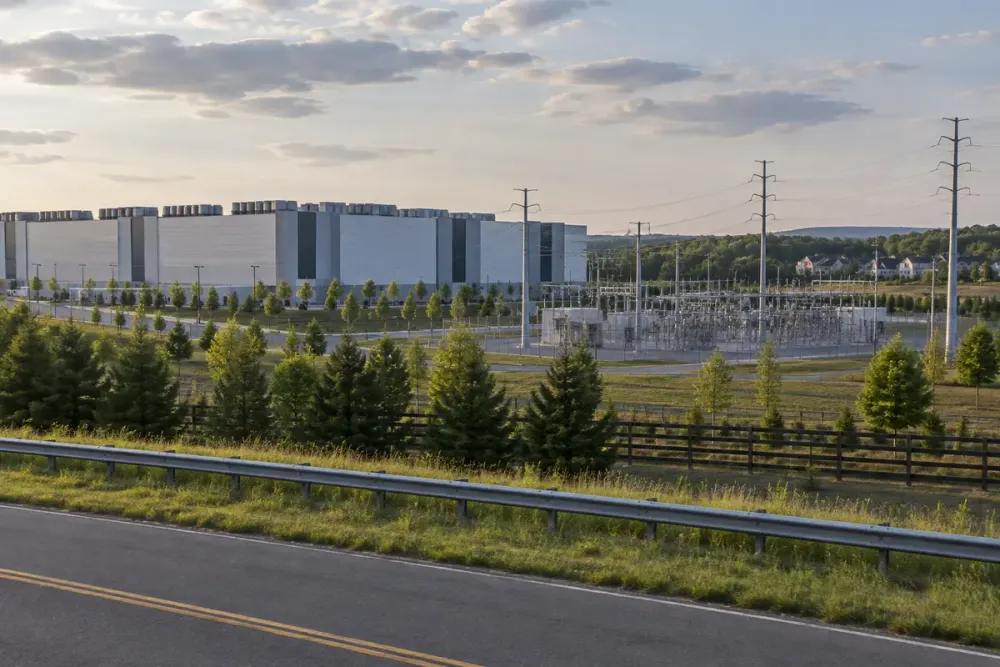
Virginia has immediately barred executive-branch agencies from signing or enforcing new nondisclosure agreements that conceal material information about proposed commercial data centers. The prohibition is one of the first enforceable pieces of a wider accountability plan Governor Abigail Spanberger announced on September 18.
Executive Order 22 also removes proposed data centers with peak demand of at least 25 megawatts from state site-readiness and expedited-review programs. Existing NDAs remain in place, and the order allows extraordinary exceptions, including national-security matters. The immediate restrictions apply to entities under the governor’s supervision; they are not yet a blanket statutory ban on private developers or local governments.
The order gives residents several dates to watch. The chief energy officer must publish an initial planning and community-engagement toolkit within 120 days. Within 180 days, the Department of Environmental Quality must deliver accelerated plans for data-center noise rules and cooling-water scarcity rules, as well as findings from a review of diesel and other backup generators. The order specifically designates the Eastern Virginia Groundwater Management Area as a cooling-water scarcity area.
The administration’s broader Data Center Accountability Framework goes beyond what the executive order can accomplish alone. It calls for eliminating by-right approval for facilities above 25 megawatts, shifting more grid and generation costs to large-load customers, restricting on-site natural-gas generation, setting water-use standards and ending state subsidies in site-development programs. Those measures would require agency action or legislation during the 2027 General Assembly session.
The distinction matters for communities reviewing projects now: the transparency ban and exclusion from certain state assistance took effect with the governor’s signature, while major changes to local land-use approvals and utility cost allocation remain proposals. Reuters reported that the plan follows growing political pressure over project secrecy, electricity demand and environmental effects in the world’s largest data-center market.
Virginia’s own legislative watchdog had already quantified the stakes. A Joint Legislative Audit and Review Commission study found that data centers were paying their current cost of service, but projected growth could still raise system costs for other customers as utilities build generation and transmission. The study estimated a typical Dominion residential customer could face $14 to $37 more per month in generation and transmission costs by 2040, stated in inflation-adjusted dollars.
The order separately creates an artificial-intelligence task force to examine workforce displacement, privacy, cybersecurity and existing legal authority. That work is related to the computing boom but is not itself a new data-center permit rule.
For local officials and residents across the Commonwealth, the practical near-term changes are greater access to state-held project information, fewer fast-track benefits for very large proposals and formal rulemaking on noise, water and generator impacts. The largest proposed limits will depend on what lawmakers enact in 2027.