A federal judge in Providence has vacated the Environmental Protection Agency’s cancellation of Solar for All, reviving a program Rhode Island labor and legal groups had helped shape for lower-income households. In a Sept. 18 order, U.S. District Judge Mary McElroy held that EPA acted contrary to law when it ended the $7 billion initiative and its existing grants.
The decision gives Rhode Island’s planned work another path forward, although implementation is not immediate and an appeal remains possible. EPA told The Associated Press that it was reviewing the ruling and considering its options. The case was led by the Rhode Island AFL-CIO and included the Rhode Island Center for Justice, solar businesses and other organizations that said they had invested time or resources in projects expected to flow from the program.
McElroy’s opinion centers on what Congress did when it repealed the Greenhouse Gas Reduction Fund’s statutory authorization in July 2025. The court found that Congress rescinded unobligated balances but did not cancel grants that EPA had already obligated in 2024. The order also noted that EPA retained other appropriated money that could support grant administration. That undercut the agency’s argument that it lacked authority or resources to continue the program.
EPA had selected 60 recipients, including states, tribal governments and nonprofit coalitions, before Administrator Lee Zeldin announced the termination in August 2025. Reuters reported that the grants were awarded in 2024 and were intended to reduce electricity costs and emissions for nearly one million households.
The Rhode Island plaintiffs were not direct federal grantees, but the court found that downstream beneficiaries could challenge the program-wide termination. The opinion said the Rhode Island AFL-CIO had helped develop the state’s implementation plan, while the Rhode Island Center for Justice represented low-income households expected to benefit. Nationally, EPA originally projected that Solar for All would reach more than 900,000 households through rooftop and community-solar projects, according to a case summary from the Southern Environmental Law Center.
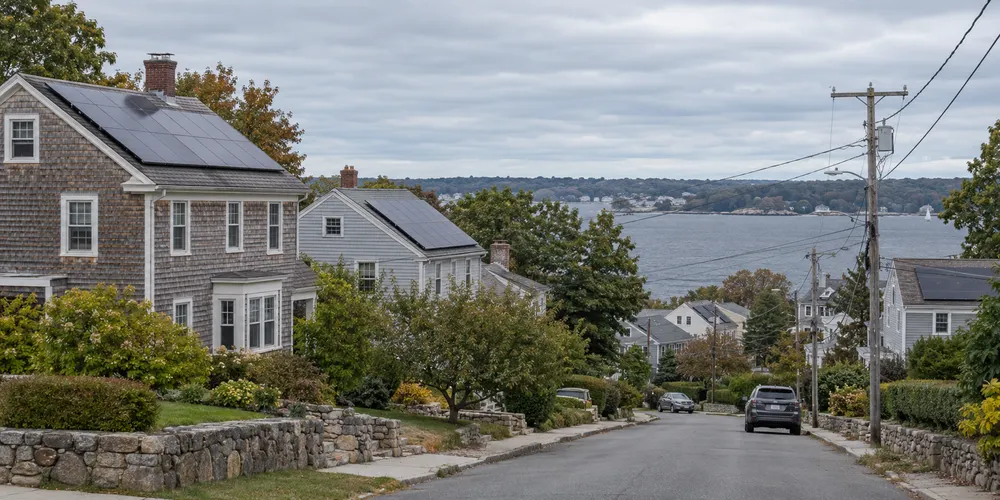
For Rhode Island, the practical question is how quickly federal administrators and grant recipients can restart planning after more than a year of uncertainty. Solar for All was designed to lower the upfront barriers that keep many households from installing panels or joining shared solar projects. The state’s solar guidance explains that photovoltaic systems convert sunlight into electricity for homes and small businesses, but financing and access remain decisive for who can participate.
The ruling does not resolve every dispute over the grants. Separate cases involving direct recipients and contract claims remain in other courts, and an appellate court could alter McElroy’s decision. Still, the immediate legal result is clear: EPA’s blanket termination has been set aside. Rhode Island organizations that built workforce and consumer plans around the program can resume preparations, while watching for the agency’s next move.