
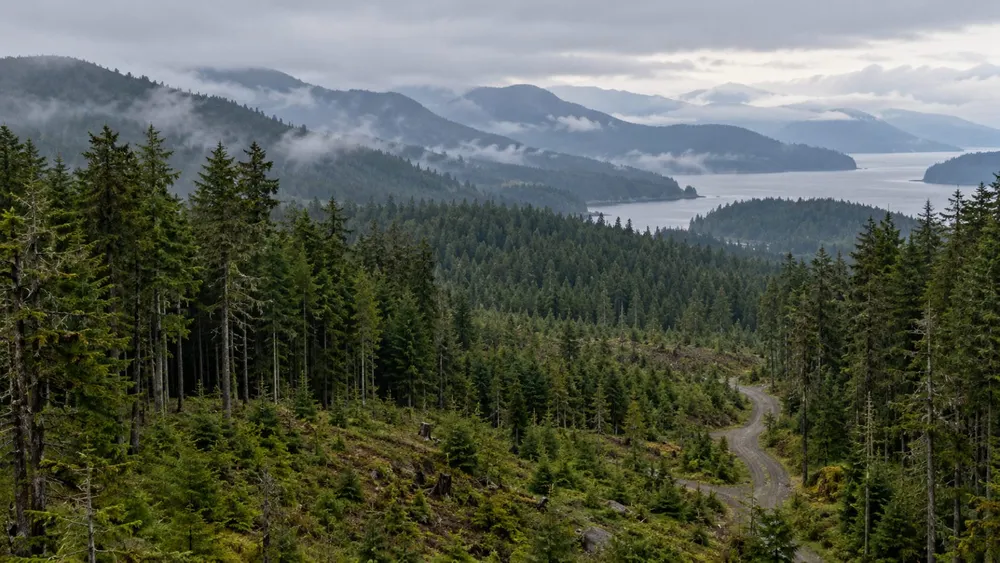
Oregon’s State Land Board appointed four members Tuesday to the board that advises management of the Elliott State Research Forest, adding oversight capacity as the public reviews a two-year operating plan for the 83,000-acre forest northeast of Coos Bay.
The Department of State Lands’ current notice confirms the appointments of Mike Buffo, Amanda Craig, Jerry Ingersoll and Mike Wilson. The meeting packet says Wilson’s term is retroactive to October 14, 2025, and ends in October 2029; the other three terms end in October 2030. All appointments were subject to positive background checks in the staff recommendation.
Advisory authority
The Elliott board is advisory rather than an independent land-management agency. Under the state’s oversight framework, it reviews budgets, operations plans, research, recreation and conservation proposals, then makes recommendations to the forest manager and Department of State Lands director. The Land Board retains authority over major policy documents and appoints the voting members.
The appointees broaden the board’s mix of technical and community experience. The packet identifies Wilson as a retired Grand Ronde Tribe natural-resources director, Craig as a Confederated Tribes of Coos, Lower Umpqua and Siuslaw Indians citizen and cultural-resources official, Ingersoll as a retired Siuslaw National Forest supervisor, and Buffo as a forestry-planning consultant.
The same packet says the board is designed to contain seven or nine voting members. State Lands said it sought candidates with experience not otherwise represented and consulted Oregon’s five western Tribes after the 2025 appointment cycle. The agency keeps applications open for Tribal staff and members while maintaining separate government-to-government consultation.
Plan under review
The appointments arrive during the comment period for the draft 2027–29 operations plan. Written comments are due at 5 p.m. Pacific on November 30, and the Elliott board is expected to consider whether to recommend adoption in May 2027. The plan implements existing forest-management and habitat-conservation policies; it does not rewrite them.
The public draft proposes work across 2,110 acres, mostly commercial thinning and partial harvests. It includes 641 acres of regeneration harvest and estimates 31 million board feet of timber, about $9.3 million in gross revenue and $7.4 million net. Those are planning estimates, not guaranteed receipts: the document identifies timber markets, storms, insects and disease as reasons projects could change.
No new roads are proposed. The draft instead calls for maintenance, hydrologic assessments and limits on hauling when wet-weather runoff threatens streams. It also carries forward seasonal restrictions near northern spotted owl activity centers and occupied marbled murrelet stands.
Those safeguards operate within an 80-year habitat plan approved by federal agencies in 2025. The U.S. Fish and Wildlife Service’s project record explains that the plan covers management activities while committing Oregon to conservation measures for listed species. Public comments now can shape how the next biennium’s projects are sequenced and implemented, but they cannot bypass the governing forest plan or federal permits.



