Oklahoma lawmakers are considering a statewide framework for local land banks as they confront an unusual housing mismatch: more than 200,000 vacant housing units alongside a shortage of affordable homes.
The Senate Economic Development, Workforce and Tourism Committee examined the proposal in an interim study led by Senate Democratic Leader Julia Kirt. A Senate summary says the entities could help cities and counties return abandoned or deteriorated properties to productive use.
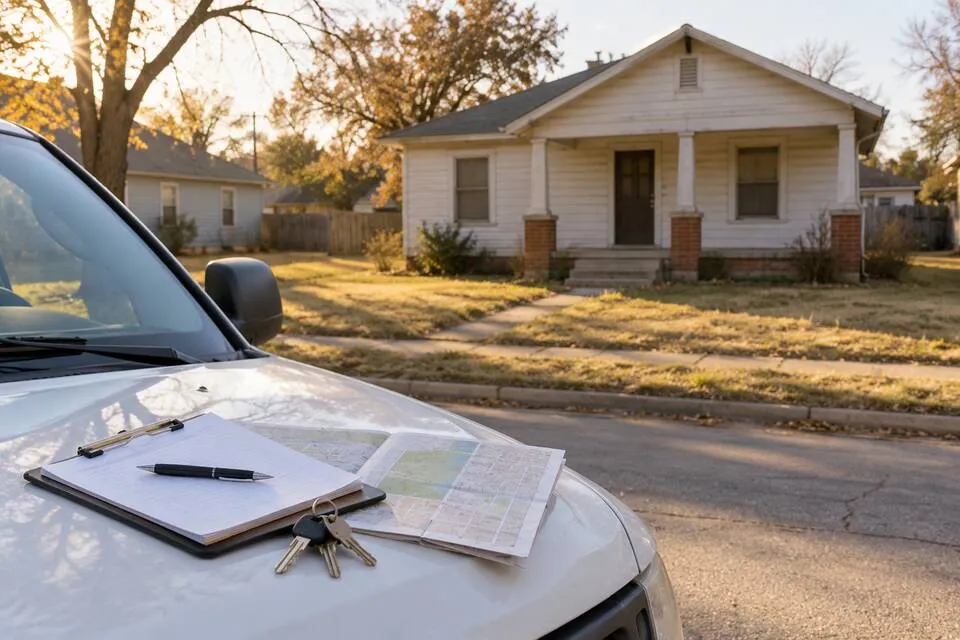
Land banks are generally public or quasi-public organizations that acquire difficult properties, resolve legal or financial barriers and transfer them for redevelopment under locally set priorities. The Oklahoma proposal remains an idea under study; it has not created a statewide land-bank system or authorized property transfers.
Kirt said Oklahoma has more than 200,000 vacant housing units and intends to pursue legislation during the 2027 session. Witnesses told the committee that unpaid taxes, unclear ownership, title defects, demolition costs and deferred maintenance often prevent individual buyers or developers from taking on vacant parcels.
Those barriers matter because a vacant unit is not necessarily available or habitable. Independent KOSU reporting on the study cited more than 220,000 vacant units statewide, while noting that Oklahoma would need roughly 85,000 additional affordable rentals to meet the needs of extremely low-income households.
Current national housing data illustrate the pressure on those renters. The National Low Income Housing Coalition’s 2026 figures count 140,306 extremely low-income renter households in Oklahoma, with only 40 affordable and available homes for every 100 such households. Seventy-one percent face a severe housing-cost burden.
The land-bank concept would not build homes by itself. A local entity could assemble scattered parcels, clear certain title or tax complications and prepare property for transfer, but construction would still require developers, financing, infrastructure and local approvals. The governance rules would determine how properties are acquired, who may buy them and whether affordability conditions remain attached.
Oklahoma already has a statewide data foundation for judging local needs. The Oklahoma Housing Finance Agency and University of Oklahoma created a housing assessment that documents the amount and location of housing demand across the state. The Kansas City Fed has said the tool is designed to guide policy and development decisions at state, metropolitan and county levels.
The legislative question is therefore narrower than whether Oklahoma needs more housing. Lawmakers must decide whether local governments need new authority to consolidate troubled property and, if so, what safeguards should govern transparency, pricing, public notice and disposal.
Kirt previously introduced Senate Bill 1478 to establish a land-bank framework, but it did not receive a committee vote. Her announced plan to return with legislation in 2027 means the interim study is an early policy stage, not a guarantee that a bill will pass or that participating communities would be required to establish land banks.