
Wyoming lawmakers are weighing two changes to livestock policy Tuesday: one would address who may perform pregnancy determinations on cattle and other livestock, while the other concerns fencing and animals moving between federal and private land. The Joint Agriculture, State and Public Lands and Water Resources Committee placed both drafts on its final interim-work agenda in Sheridan.
The committee's meeting agenda schedules the livestock-pregnancy proposal first, followed by public comment, and then a federal-lands fencing proposal. The panel is meeting at Sheridan College and is expected to conclude around noon. Because the documents are working drafts, Tuesday's discussion can still lead to amendments, approval for introduction in the 2027 session, or no recommendation.
The pregnancy-testing debate starts with Wyoming's Veterinary Practice Act. A Legislative Service Office legal memo explains that diagnosing an animal's physical condition generally falls within veterinary medicine and that state law reserves that practice to licensed veterinarians. Existing exemptions allow owners, their employees and certain livestock operators to care for animals they own or handle through shared work arrangements.
The committee's latest draft is titled “Livestock pregnancy determinations by non-veterinarians.” Earlier versions focused specifically on bovine examinations, while the September agenda identifies a revised version under broader livestock language. The Legislature's draft list shows the proposal has changed through several versions during the interim, signaling that lawmakers have been refining its scope rather than considering a finished bill.
The practical question is whether Wyoming should allow trained people who are not licensed veterinarians to provide a service that ranchers use for breeding, culling and sale decisions. The policy tradeoff is straightforward: supporters may emphasize access and cost in remote livestock country, while regulators and veterinary professionals may focus on qualifications, animal welfare and where a pregnancy determination becomes a medical diagnosis. The committee agenda includes public comment before any decision.
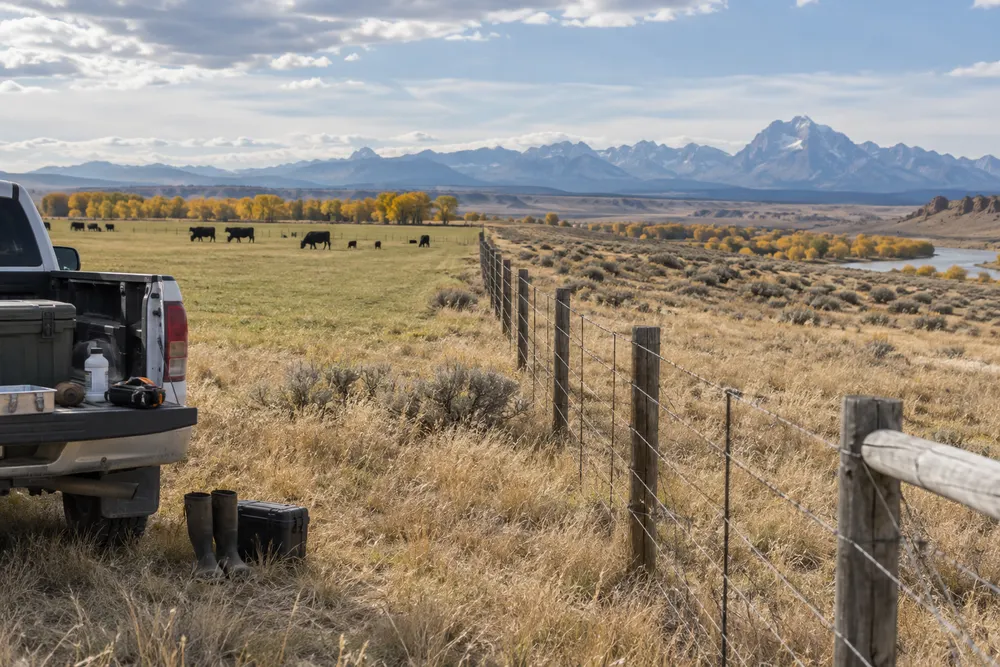
The second draft, “Federal lands-fencing,” addresses a different but related ranching problem. Its placement on the agenda follows the committee's summer work on livestock fencing in Wyoming. The title and committee materials indicate lawmakers are examining responsibility where animals cross between federally managed range and private property, a recurring issue in a state where ranch operations often adjoin public land.
Tuesday's meeting is consequential even though it is not a floor vote. Interim committees develop and sponsor legislation between sessions, so an endorsed draft can begin the 2027 Legislature with committee backing. The public calendar also provides remote access and meeting materials, allowing ranchers, veterinarians, landowners and federal-land users to follow the deliberations.
No change takes effect from the committee meeting alone. Any proposal that advances would still need formal introduction, passage by both legislative chambers and action by the governor. For now, the panel is deciding whether these livestock disputes are ready to move from interim study into statewide lawmaking.