
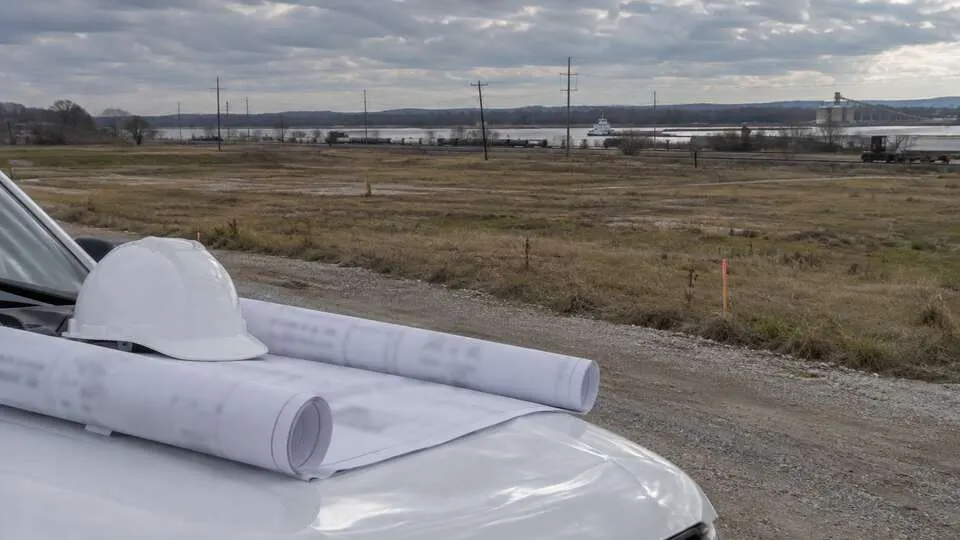
Inola’s city council has extended its moratorium on permits for a proposed $4 billion aluminum smelter through April 7, 2027, when residents are scheduled to vote on whether the project should proceed. The council’s unanimous September 14 action replaced a moratorium that had been due to expire September 28, according to Reuters’ review of the project’s status.
The decision adds a local approval barrier to one of Oklahoma’s largest proposed industrial investments. Emirates Global Aluminium and Century Aluminum plan the facility at the Port of Inola in Rogers County. Their joint development announcement says EGA would own 60% of the venture and Century 40%. The planned 750,000-metric-ton annual capacity would more than double current U.S. primary aluminum output, while the companies project 4,000 construction jobs and 1,000 permanent jobs.
The moratorium does not cancel the project, but it prevents the city from issuing smelter permits during the pause and shifts the next major local decision to voters. Company representatives told Reuters that a referendum before related litigation is resolved could create legal and financial risk for Inola taxpayers. The companies also said they plan to reduce projected fluoride emissions by 37% and release an economic-impact study within weeks.
The legal dispute is moving separately. Oklahoma Attorney General Gentner Drummond sued in state court to stop the project, arguing that its environmental and ownership implications warrant judicial review. A federal judge recently returned the case to Rogers County District Court after concluding that the defendants had not established substantial federal-question jurisdiction, according to the Attorney General’s public newsroom. The remand determines the forum; it does not decide whether the smelter may be built.
The project’s supporters emphasize national supply and employment. The proposed plant would be the first new U.S. primary aluminum smelter since 1980, and its output is intended for industries including transportation, defense, construction and electrical infrastructure. The January company announcement said engineering and negotiations for long-term power supply were still underway, underscoring that the project remained in development rather than construction.
Opponents have raised concerns about air, water and agricultural impacts, while supporters point to the jobs and domestic production. Gov. Kevin Stitt told Reuters that the port authority could seek to remove the industrial park from Inola’s jurisdiction if the city continues to oppose the project. Reuters noted that Oklahoma law requires local approval for such a jurisdictional change, leaving the practical path uncertain.
For residents, three processes now matter: the state-court lawsuit, the city’s permit moratorium and the April 7 referendum. None alone guarantees a final outcome. Environmental permits, power arrangements, financing and local land-use authority would still shape whether construction can begin. The immediate consequence is clearer: Inola has postponed city permitting and given voters a direct role in the next local decision on the smelter.