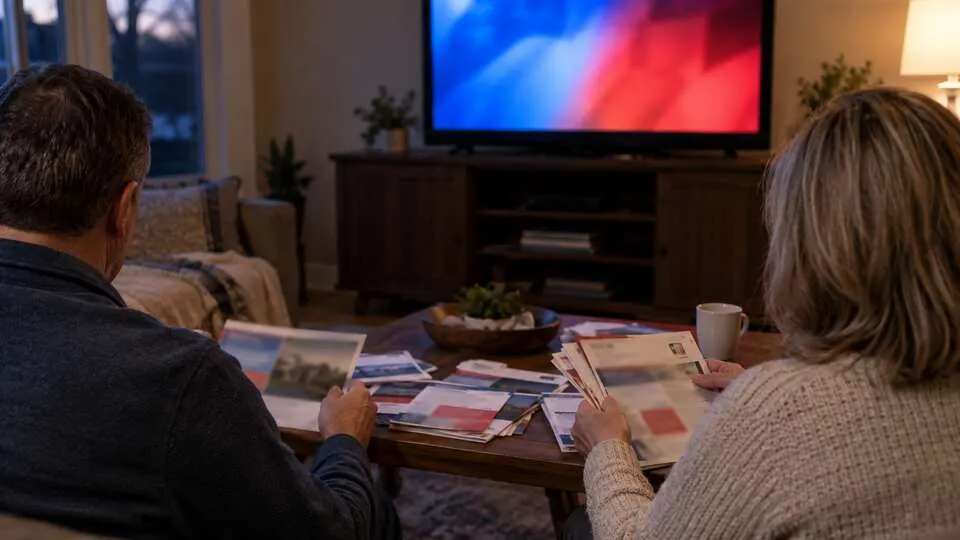
Ohio’s U.S. Senate special election has drawn an estimated $298 million in advertising spending, making it the most expensive Senate advertising contest of the 2026 cycle so far, according to Reuters reporting based on AdImpact data. The spending surge arrives less than seven weeks before Republican Sen. Jon Husted and Democratic former Sen. Sherrod Brown meet in the November 3 election.
The scale reflects both the closeness of the race and its national stakes. Reuters reported that Republican-aligned super PACs poured about $14 million into Ohio advertising during the most recent week, tripling their weekly spending against Brown. The largest burst came from No Going Back PAC, which spent $6.7 million on television, digital and mail advertising over September 10 and 11. Because some participating groups registered recently, their donors may not become public until mid-October.
Candidate fundraising is only part of the financial picture. Reuters, citing Federal Election Commission records for Ohio’s 2026 Senate contest, reported that Brown had raised $38.6 million and Husted $14.3 million. Those totals measure money raised by the candidates’ campaigns; they do not capture the full stream of independent expenditures by outside organizations. The FEC maintains a separate independent-expenditure database for spending expressly advocating a candidate’s election or defeat. Newly filed information can take time to appear, so totals viewed on different days may not match.
Husted was appointed to the Senate after JD Vance became vice president in 2025. The November winner will complete the remaining two years of that term, making the race a special election with consequences beyond a standard six-year cycle. Recent surveys cited by Reuters placed Brown ahead by three to five percentage points, although polling is a snapshot rather than a forecast of the final result.
For Ohio voters, the practical effect is an unusually dense stream of paid messages whose sponsors and funding sources differ. Candidate committees, party-linked organizations and super PACs operate under different reporting structures, and an advertisement’s disclaimer identifies who paid for it. Checking the sponsor against the FEC’s filings can help voters distinguish a candidate’s own message from independently financed advocacy.
The state’s election portal confirms that Ohio’s general election is November 3 and that military and overseas absentee voting has begun. The same portal lets residents verify registration, request an absentee ballot, locate a polling place and review photo-identification rules. Polls are scheduled to be open from 6:30 a.m. to 7:30 p.m. on Election Day.
The spending total could continue rising as the campaign enters its final phase and newly registered groups file additional disclosures. The confirmed development is not a forecast about who will win; it is that Ohio has become the cycle’s largest Senate advertising market, with outside groups now driving a substantial share of the paid campaign.