
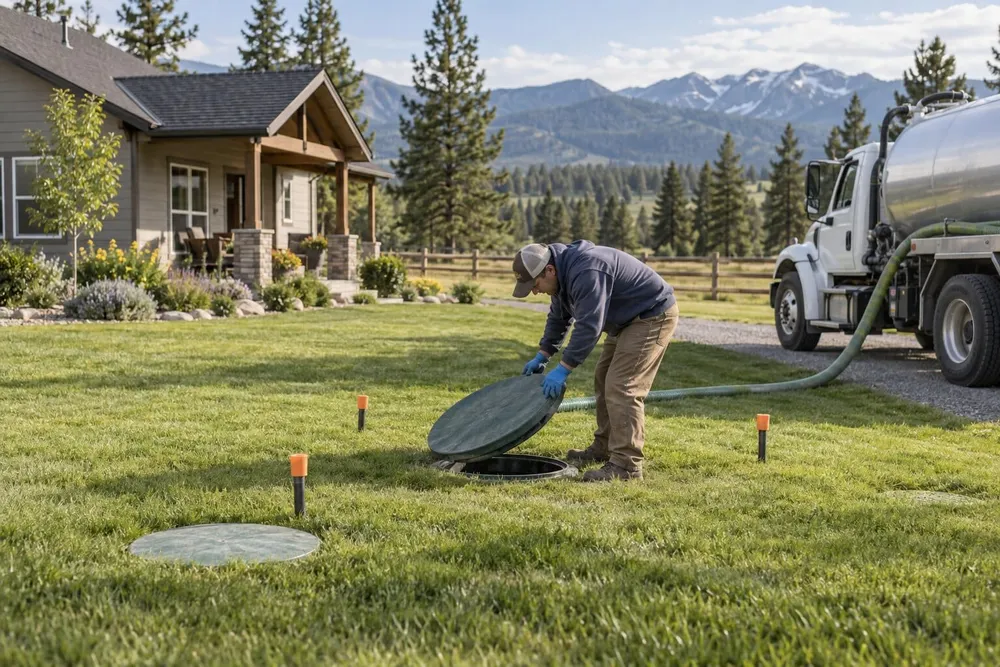
Idaho environmental officials are urging homeowners with septic systems to schedule routine inspections and pump tanks every three to five years, using SepticSmart Week to warn that neglected systems can contaminate groundwater, back up into homes and become substantially more expensive to repair.
The Idaho Department of Environmental Quality’s state advisory marks September 14–18 as Idaho SepticSmart Week. The agency’s message is aimed especially at households outside public sewer service, where the property owner—not a municipal utility—is responsible for keeping wastewater treatment working.
What Idaho homeowners should do
DEQ says septic tanks generally need pumping every three to five years to remove accumulated sludge, fats, oils and grease. The appropriate interval depends on household size, water use, tank capacity and the amount of solids entering the system. Waiting until toilets drain slowly or sewage appears can mean the system is already failing.
Homeowners should keep maintenance and pumping records, know where the tank and drainfield are located and use a permitted tank pumper. Idaho’s septic program maintains information for finding permitted pumpers, licensed installers and certified service providers. Property-specific questions go to the public health district serving the county.
Daily use matters between service visits. The U.S. Environmental Protection Agency’s current maintenance guidance advises households to keep wipes, diapers, grease, coffee grounds and other solids out of toilets and sinks; spread out laundry and dishwasher use; and keep vehicles, livestock and deep-rooted plants off the drainfield. Those steps reduce clogs, hydraulic overload and physical damage.
Permits and higher-risk sites
Idaho’s seven public health districts administer minimum state standards, conduct site evaluations, issue permits and inspect installations. A homeowner planning a new system, replacement, expansion or significant modification should contact the district before work begins. Standard residential systems must generally be installed by a licensed installer, although state rules allow a narrow homeowner-installation exception for a basic system without hired help.
Some locations require more scrutiny. DEQ may require a nutrient-pathogen evaluation for proposed central systems in nitrate-priority areas, over sensitive aquifers or where shallow groundwater, fractured bedrock or coarse soil could move contamination more readily. Large soil absorption systems serving facilities such as subdivisions, schools or resorts require professional engineering and DEQ review.
Why maintenance is a statewide concern
A septic system separates solids in an underground tank and disperses liquid effluent through a drainfield, where soil filters remaining contaminants before water reaches groundwater. The state’s technical guidance covers system design, repair, operation and maintenance, while the EPA says more than one in five U.S. homes relies on septic treatment.
For Idaho owners, the practical check is straightforward: locate the system, review the last service date and contact the county’s public health district if records are missing or performance has changed. Preventive pumping and inspection are usually less disruptive than replacing a failed tank or drainfield and help protect nearby wells, aquifers and surface water.