
Delaware is directing nearly $23 million to the state’s three federally qualified health centers, a package intended to expand rural access through electronic records, mobile clinics, remote monitoring, care coordination and stronger cybersecurity.
The awards announced Thursday allocate $11.3 million to Westside Family Healthcare, $10.1 million to La Red Health Center and $1.29 million to Henrietta Johnson Medical Center. The money comes from Delaware’s share of the federal Rural Health Transformation Program and represents three of 15 projects selected for the state’s first year of funding.
Three providers, different projects
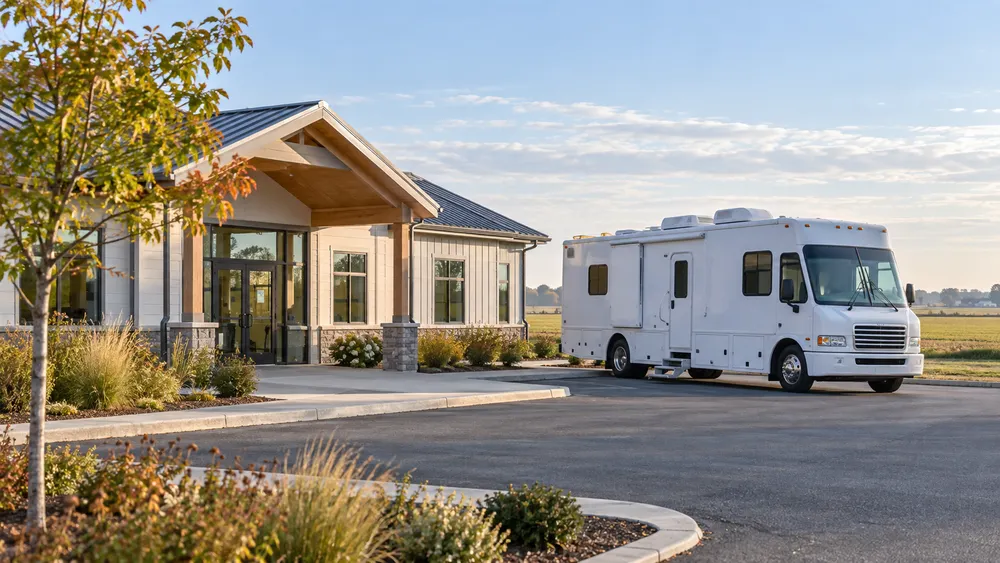
Westside’s plan, backed by the largest award, calls for an Epic electronic medical-record system, improved population-health and chronic-disease management, stronger cybersecurity and workforce investments, and two mobile health units plus a passenger van. The vehicles are intended to reach rural and agricultural communities where transportation and distance can limit routine care.
La Red’s award also includes an Epic system through a community-connect arrangement, along with care coordination, remote patient monitoring, transportation and technology upgrades. The provider’s plan calls for more integrated medical, behavioral-health, dental and specialty services, according to the state.
Henrietta Johnson will use its smaller award to expand its care team and invest in chronic-disease management, population-health data, cybersecurity, technology and remote monitoring. Together, the projects are designed to improve both the clinical services patients receive and the systems that allow providers to track and coordinate that care.
Part of a five-year federal program
Delaware’s first-year federal allocation totals about $157.4 million. The broader federal program provides $50 billion nationwide over five fiscal years, from 2026 through 2030. The Centers for Medicare & Medicaid Services says the initiative is meant to improve prevention and chronic-disease care, sustain rural access, develop the health workforce, support value-based care and expand technology, cybersecurity and remote monitoring.
Federally qualified health centers are a central access point for patients who may otherwise struggle to obtain care. The federal Health Resources and Services Administration says these community clinics provide medical, dental, mental-health, substance-use and other services, adjust fees based on income and family size, and serve patients regardless of their ability to pay. About 90% of their patients have incomes below 200% of the federal poverty level.
What comes next
The grants fund capacity, not guaranteed outcomes. Their practical effect will depend on how quickly the providers deploy new records systems, staff expanded services and put mobile units and remote-monitoring programs into regular use. Measures such as appointment availability, rural visits, chronic-disease follow-up and patient retention will help show whether the spending translates into better access.
For Delaware, the immediate significance is statewide reach: all three federally qualified health-center systems are receiving support at once, while each has a distinct technology and service plan. The state says the investments are intended to move rural care toward coordinated, sustainable delivery rather than finance a temporary expansion.