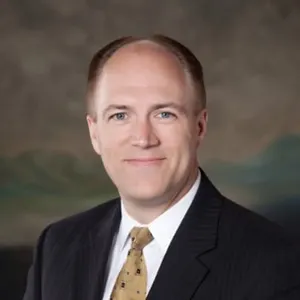
Elon Musk disclosed a roughly 9.2% stake in Twitter this week and entered an agreement to join the company’s board of directors, abruptly turning the Tesla and SpaceX chief executive from a prolific user and critic of the social network into one of its largest shareholders with a formal role in corporate governance.
A Securities and Exchange Commission filing on Monday reported that Musk beneficially owned 73,486,938 Twitter shares, representing about 9.2% of the company based on shares outstanding. Twitter’s stock rose sharply after the disclosure, reflecting investor expectations that Musk could press for product, governance or strategic changes.
The relationship changed again Tuesday. A more detailed Schedule 13D filing showed that Musk had accumulated shares through a series of open-market purchases beginning in late January and shifted the disclosure into a category generally associated with investors who may seek to influence a company rather than remain purely passive.
A board agreement puts limits around a large shareholder
Twitter separately disclosed an April 5 board agreement under which the company would appoint Musk as a Class II director with a term expiring at the 2024 annual meeting. Under the agreement, Musk would not become the beneficial owner of more than 14.9% of Twitter’s common stock while serving on the board and for 90 days afterward.
The ownership cap is strategically important. A director has fiduciary duties and access to corporate information that an outside shareholder does not, but the 14.9% ceiling would constrain Musk’s ability to keep buying shares into a controlling or near-controlling position while the arrangement remains in effect. In exchange, Twitter gains a structured relationship with an investor whose public comments can move markets and shape public debate around the platform.
TechCrunch described the board appointment as a rapid escalation from shareholder disclosure to direct involvement. Twitter Chief Executive Parag Agrawal publicly welcomed Musk and said conversations with him had made clear that he would bring value to the board, while also characterizing him as both a passionate believer in the service and an intense critic.
Musk’s criticism of Twitter now has corporate consequences
Musk has more than 80 million followers on Twitter and uses the platform as a primary communications channel for business announcements, policy arguments, jokes and disputes. He has also repeatedly questioned whether Twitter adequately protects free expression and whether its product is serving users effectively.
Days before the stake became public, Musk conducted a Twitter poll asking whether the platform rigorously adheres to free-speech principles and said the consequences of the poll would be important. The Guardian reported that the disclosure immediately raised speculation about whether he intended to use his ownership to push changes in content policy or product design.
The distinction between criticizing a platform and governing one is substantial. Board members must act in the interests of the corporation and its shareholders, operate within securities law and handle confidential information appropriately. Musk’s public style is unusually direct for a corporate director, which creates both potential value and potential friction for a company already operating under intense political and regulatory scrutiny.
The share purchases were not a single-day decision
The Schedule 13D shows that Musk’s position was assembled over time rather than acquired in one dramatic transaction. The filing lists purchases from January 31 through April 1, indicating a deliberate buildup before the market learned the scale of his stake. That matters because it suggests his interest preceded the public debate triggered by Monday’s disclosure.
Forbes noted that the stake made Musk one of Twitter’s largest individual shareholders. The Washington Post reported that Twitter shares jumped about 27% Monday after the ownership position became known, adding billions of dollars to the company’s market value in a single session.
That reaction reflects a market judgment about possibility rather than a defined strategy. Musk has not presented a detailed public plan for Twitter. Investors are instead pricing the prospect that a major shareholder with immense personal wealth, a large audience and a record of aggressive corporate action could influence the platform’s direction.
Product ideas arrive almost immediately
Musk has already begun floating product questions publicly, including whether Twitter should add an edit button. Agrawal responded by telling users that the consequences of the poll would be important, echoing Musk’s own language from the earlier free-speech poll. Twitter has explored editing concepts before, but Musk’s arrival gives the discussion a new governance dimension.
The company must now balance several constituencies. Users want product improvements and predictable rules. Advertisers want brand safety and reach. Regulators and lawmakers are examining platform power, privacy, content moderation and competition. Shareholders want growth and returns. Musk’s stated concerns about free expression intersect with all of those interests but do not automatically resolve the tradeoffs among them.
His board role could become a channel for substantive change or remain largely advisory. The 14.9% cap lowers the immediate possibility that he will simply accumulate a controlling stake while serving as a director, but his existing 9.2% position is large enough to command attention even without formal authority.
Twitter has acquired an unusually consequential director
The week’s filings have changed the relationship between Musk and Twitter more than years of posts on the service ever did. He is no longer merely a high-profile user criticizing the platform from outside. He is a major owner with an agreement to enter the boardroom.
For Twitter, the potential upside is access to a technology entrepreneur with experience scaling companies and attracting public attention. The risk is that Musk’s personal brand, regulatory controversies and unpredictable communications style could become inseparable from the company’s own governance challenges.
For investors, the next question is whether the board arrangement produces identifiable changes in strategy, product development or capital allocation. The public record through this week establishes the structure: Musk owns about 9.2% of Twitter, has disclosed active-investor status, and has agreed to a board appointment that limits his ownership to 14.9% while he serves. What he does with that influence is now one of the most consequential questions facing the platform.