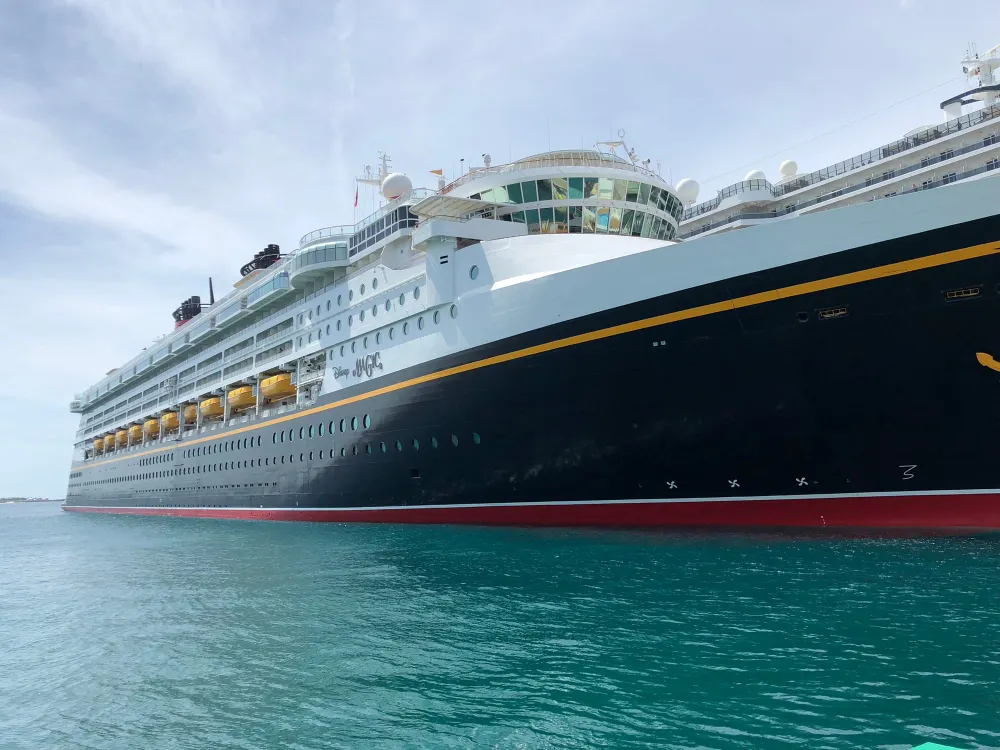
With more than five million cruise visitors passing through Nassau in 2024 alone, the capital of the Bahamas is one of the busiest ports in the Caribbean, buoyed by a major $300 million redevelopment of the iconic Prince George Wharf. For many cruise passengers, the decision remains: after years of mixed reviews about Nassau’s port and surrounding offerings, is it worth stepping off the ship for a few hours?
The port’s impressive transformation began in late 2019, culminating in an official public opening on May 26, 2023. The redevelopment introduced six berths accommodating large vessels, a modern arrivals plaza, curated retail, landscaped green spaces, and new cultural draws such as a Junkanoo museum and amphitheater. According to official port statistics, the influx and spending have been significant, with about US$6 billion generated by 2024 from visitor activity alone .
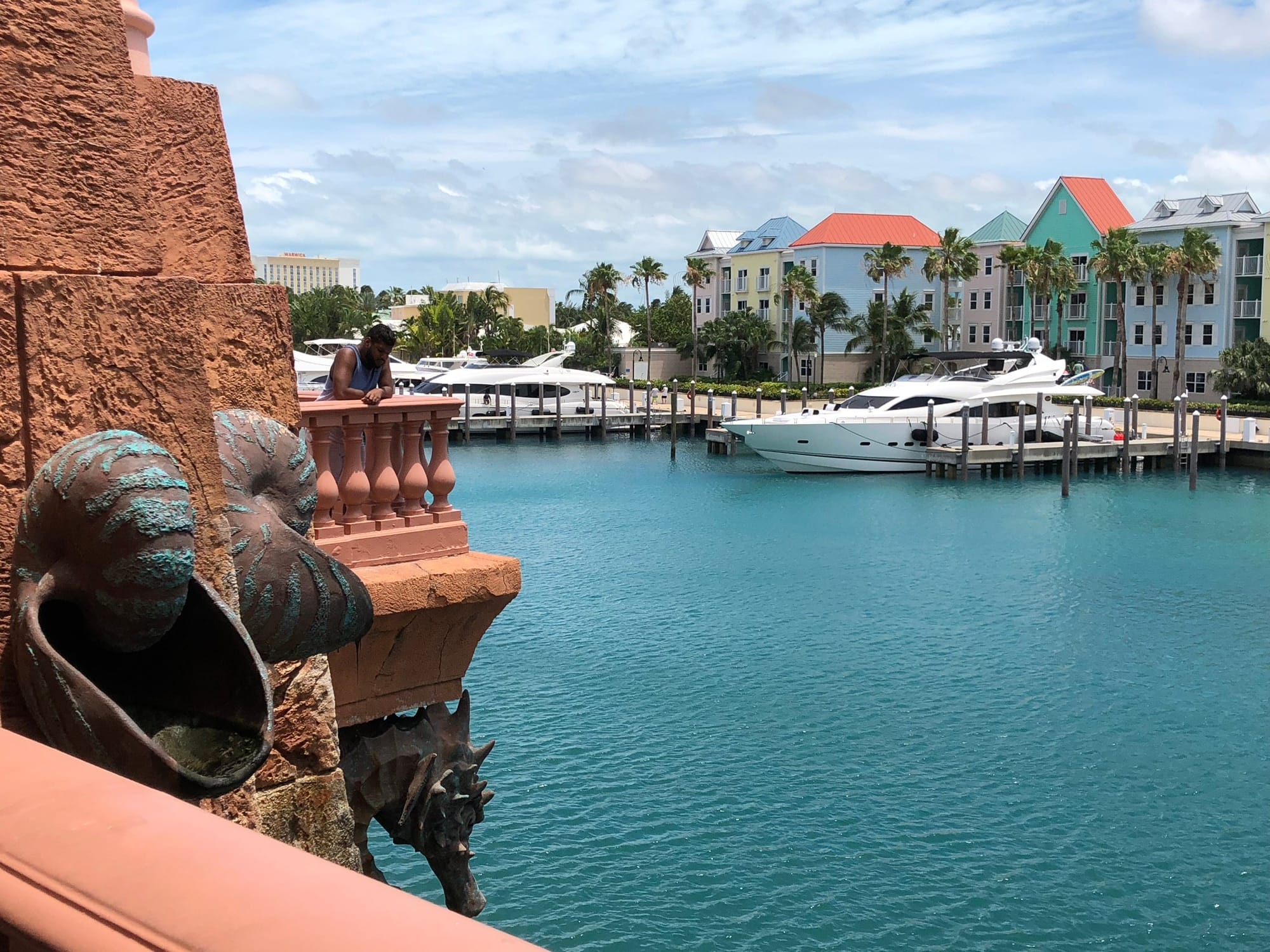
Immediate first impressions for those disembarking have changed markedly: new arrivals are met by a cleaner, organized environment that feels both more secure and more inviting than prior years. Where congestion and hasty navigation once greeted travelers, the improved infrastructure now channels passengers directly into broader walkways lined with local art and shaded seating, offering a less hurried entry to Nassau’s city center .
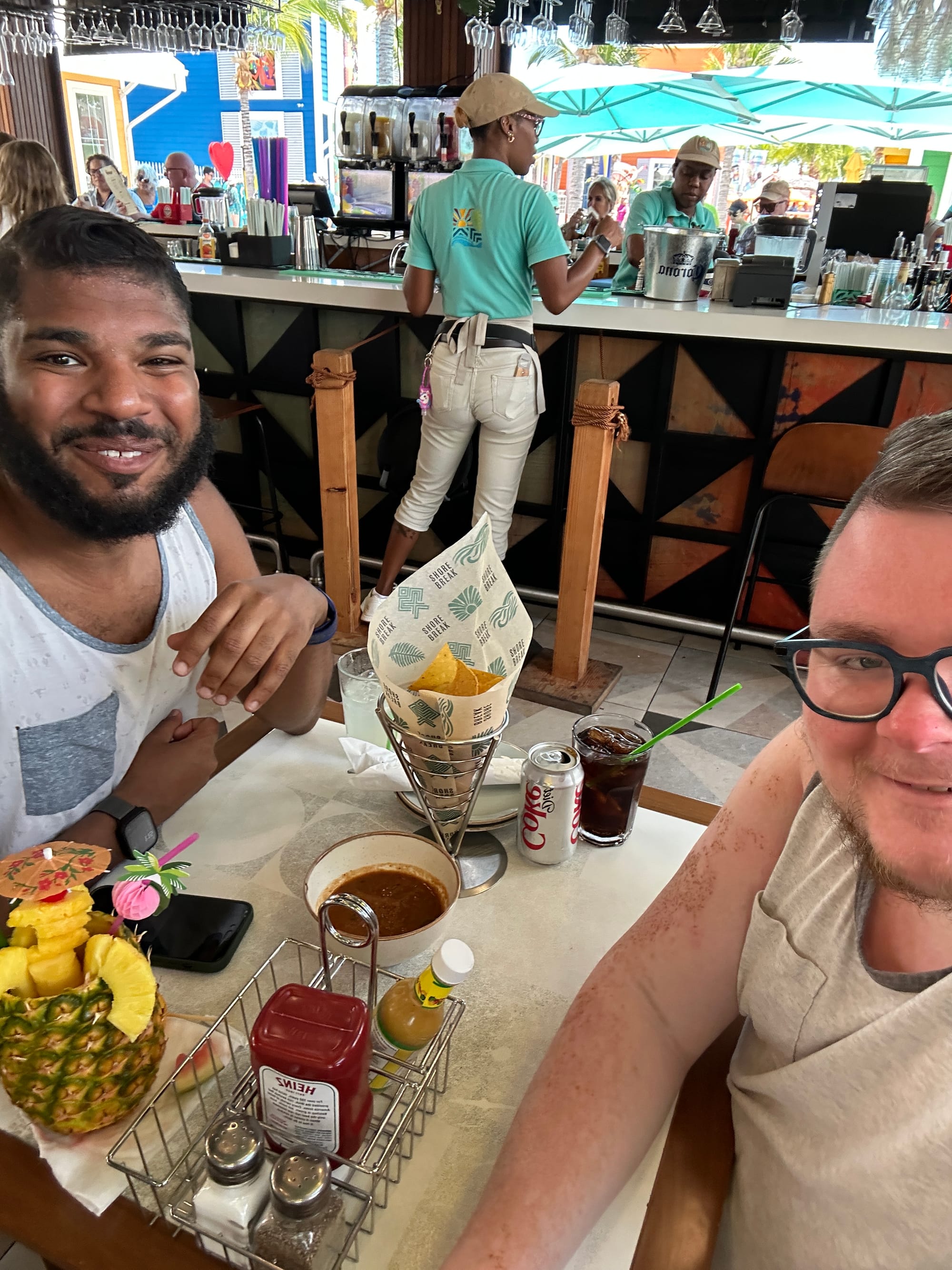
Among the notable upgrades is the addition of on-dock dining. Shore Break Bahamas, a beach-bar style restaurant within the Port Plaza, is open daily and emphasizes casual Caribbean fare and cocktails in a lively, waterside setting . Contributor Terrance Bortell described the Bahama Mama cocktail and jerk chicken pasta as particular highlights, suggesting the restaurant is now a destination in itself for port visitors—rare for cruise facilities, which often rely on generic food courts.
For those who recall Nassau’s old port amenities, this transition represents a tangible improvement—though what lies beyond still warrants consideration. Nassau’s Straw Market remains one of the city’s best publicized walkable attractions, yet experiences vary widely. Some visitors praise the vibrant atmosphere and opportunities to buy handmade crafts; others, including Bortell, cite aggressive sales tactics and inconsistent quality, making the marketplace feel more stressful than enjoyable during short port calls . Empirically, the Straw Market’s reputation seems to depend on personal taste and tolerance for high-energy commerce rather than universally improved conditions.
Other historic and cultural sites are within relatively easy reach. Fort Montagu, for example, stands at the eastern edge of the harbor about 10 to 15 minutes by taxi from the port. This limestone fort, dating to 1741, is open daily to visitors and offers a glimpse into Nassau’s history as a strategic maritime stronghold . The fort’s setting, adjacent to the sea, provides a quieter contrast to the commercial bustle of the downtown core and is recommended by the Bahamas' official tourism site for those with an interest in colonial history or panoramic views.
However, Nassau’s infrastructure and urban density present certain constraints for independent explorers, especially on a limited layover. Those intent on venturing beyond the port area should plan ahead, with some cruise lines and official port resources suggesting that excursions be reserved through licensed operators or their cruise provider for safety and logistical ease .
In terms of accessibility and practical planning, public information about mobility accommodations and exact pricing details for attractions like Fort Montagu are limited, so passengers with specific needs should coordinate closely with their cruise or excursion organizer prior to arrival . The port’s redesign does include wide promenades and transit points, which may assist those with mobility challenges, but comprehensive details are not published in available official guides.
Ultimately, the case for getting off the ship in Nassau depends on both past experiences and personal interests. First-time visitors are more likely to appreciate the port’s new amenities and the curated, safer-feeling space now offered immediately off the gangway. Repeat cruisers who felt underwhelmed in previous years might notice a substantial positive difference in these first-contact experiences—particularly if seeking food or atmosphere just steps from the ship.
Yet for travelers focused on unique shops, less commercialized history, and authentic local interaction, the port’s transformation is only a starting point. Decisions about venturing deeper into Nassau or booking official excursions should still factor individual comfort with the city’s street markets and transportation options. Those seeking quiet or an escape from crowds might even choose to remain aboard, making use of a near-empty ship while the majority of guests explore ashore—an equally valid strategy for seasoned cruisers.
The redevelopment of Prince George Wharf is a clear win in terms of Nassau’s cruise appeal, but whether disembarking ultimately enhances your day will rest on your aims and expectations. Travelers now have a more attractive and amenity-rich introduction to Nassau—one that, for many, tilts the balance in favor of stepping ashore at least once.