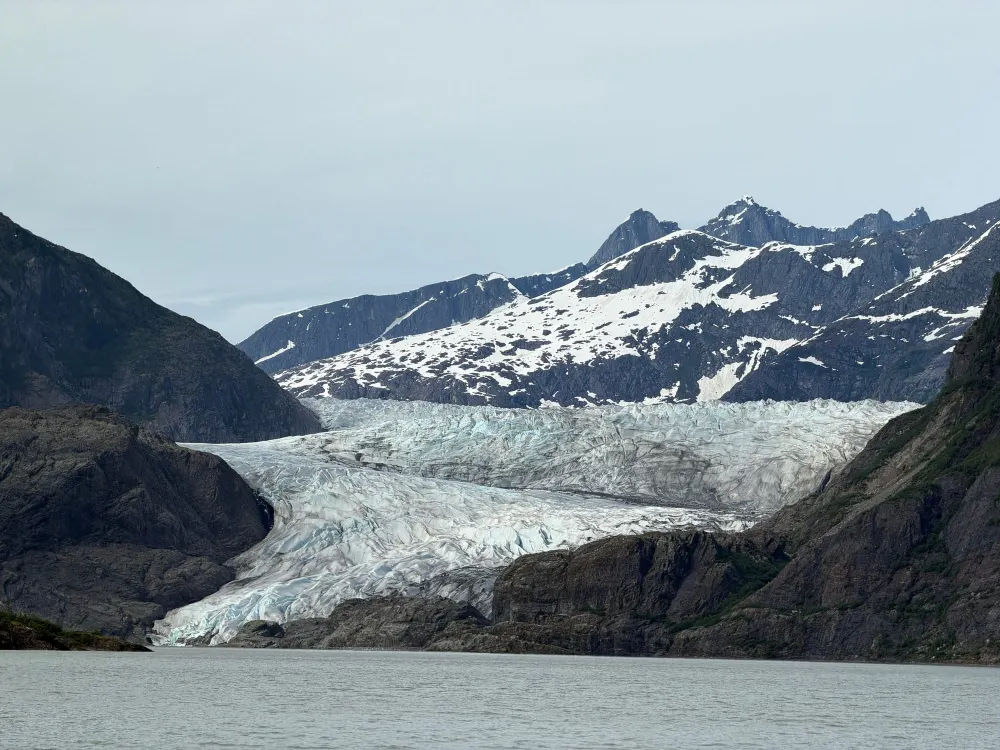
Among North American itineraries, Alaska’s Inside Passage holds a distinctive reputation for landscape-led cruising. In June 2026, Princess Cruises’s newly built Star Princess—debuting that season—will offer a seven-day route from Seattle, visiting Juneau, Skagway, Ketchikan, and the fjord landscapes of Endicott Arm and Dawes Glacier. Official schedules confirm stops at each of these ports, with sailings structured to maximize scenery as well as shore excursions.
Such itineraries are timed for the heart of Alaska’s cruise season, which generally runs from late April until early October. June through September offers peak visitor numbers and daylight, supporting the diverse set of excursions marketed to cruise travelers along this route. According to Alaska tourism data, roughly two-thirds of state summer visitors arrive by cruise ship, emphasizing the region’s strong identity as a cruise destination.
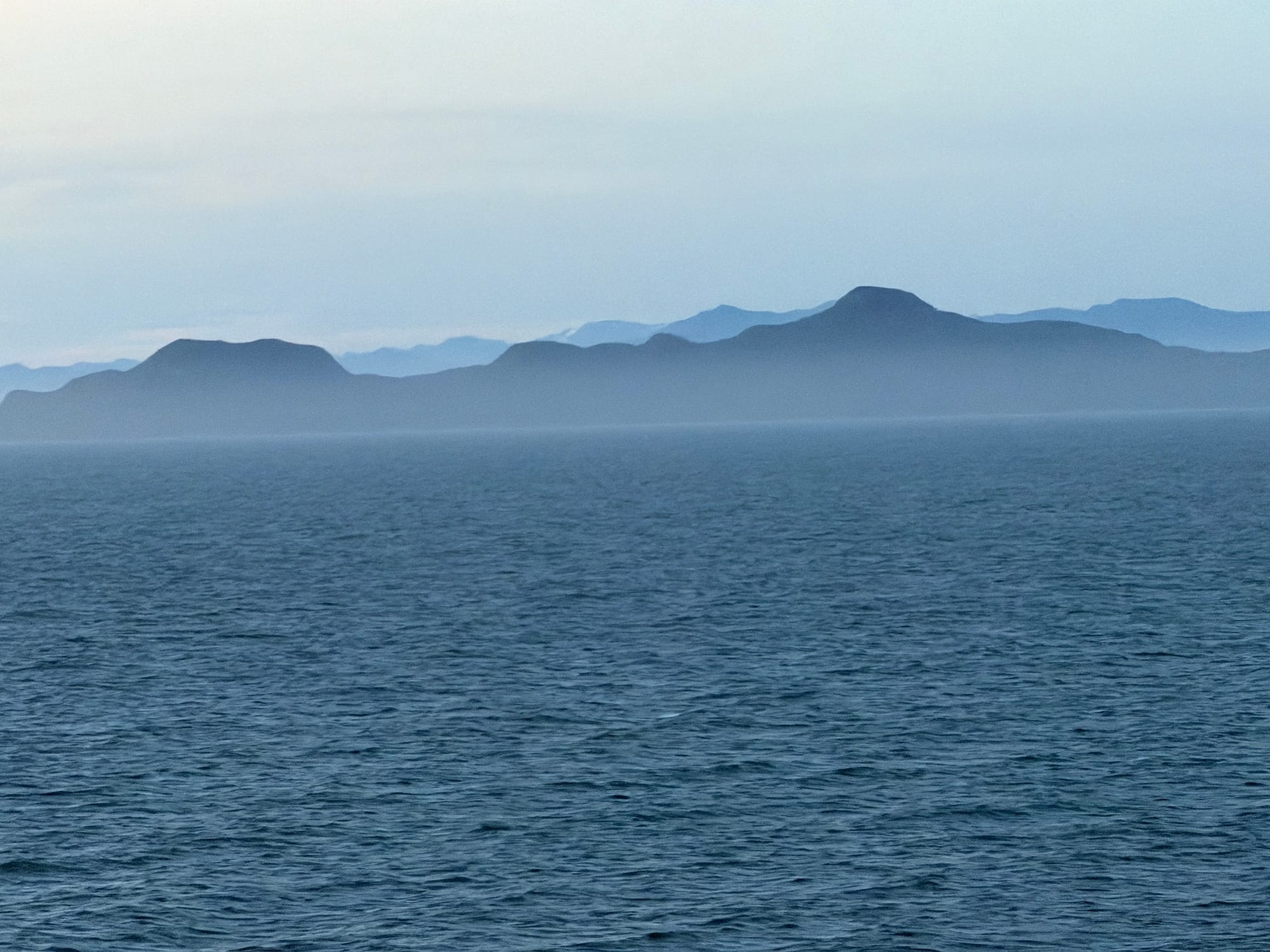
From the perspective of one June 2026 traveler taking this itinerary, the experience diverges sharply from more familiar warm-water cruises. In their account, the trip was “chilly but manageable” for someone used to Florida heat, yet neither extreme weather nor logistical barriers were significant issues. With weather patterns in June often described as variable—ranging from cool mist to brief sun—visitors advised dressing in layers and being prepared for damp conditions, but rarely reported interruptions to planned excursions.
Port days began early; the itinerary scheduled scenic Endicott Arm and Dawes Glacier cruising the morning before a late afternoon and evening in Juneau. Endicott Arm, known for its narrow, iceberg-strewn waterway, delivers many passengers to the face of Dawes Glacier for extended viewing from deck or stateroom. Sailings on Star Princess in 2026 are confirmed to include this scenic segment.
Juneau, as Alaska’s capital and a crossroads for cruise traffic, centers on excursions that put its coastal setting in context. Mendenhall Glacier, a remnant of Juneau’s deep glacial valleys, is among the most frequented shore opportunities; major cruise lines consistently highlight it as a signature stop.
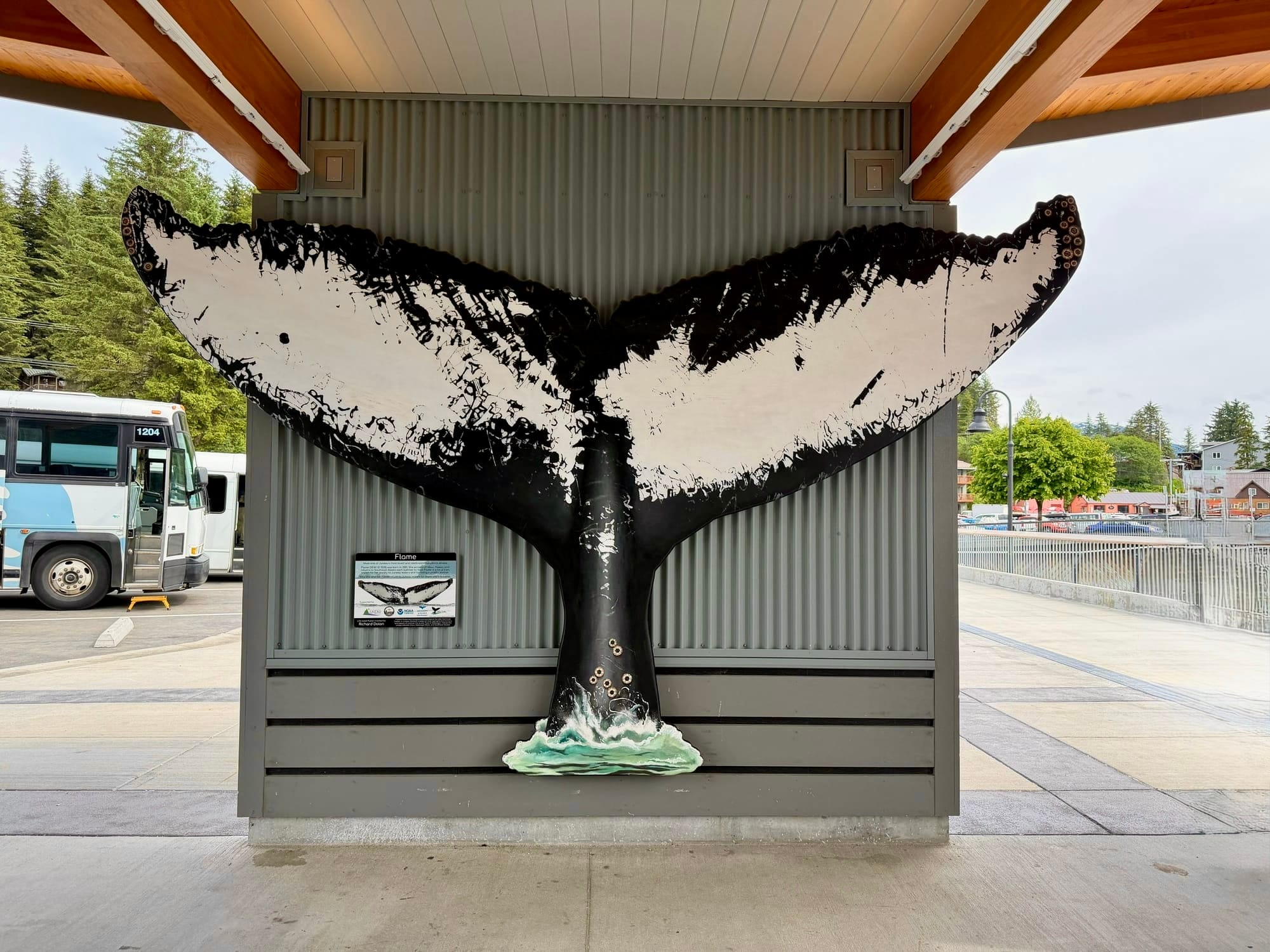
One traveler’s experience included hiking to the glacier and joining a whale-watching outing said to yield both humpback and killer whale sightings. This traveler noted that while most excursions were accessible, whale-watching typically required transferring to a smaller vessel—which may not be suitable for all passengers with mobility needs. Marine wildlife sighting claims are inherently variable and cannot be guaranteed on any given trip, but June and July do coincide with robust salmon runs and increased whale activity throughout southeast Alaska’s channels.
Skagway offers plenty of scope for excursions focused on Gold Rush history and mountain landscapes, while Ketchikan is often visited for its indigenous cultural sites as well as proximity to the Tongass National Forest. The major cruise lines support shore programs for these interests, with timing coordinated to the ship’s day-long port calls, as confirmed by Princess’s 2026 brochure.
Travelers consistently cite Alaska cruises as more “destination focused” than their Caribbean equivalents, with planned days on deck for glacier viewing, wildlife observation, and scenic cruising. This focus informs both packing and daily routines: binoculars are frequently recommended by past passengers for viewing wildlife or distant landscapes; footwear for glacier excursions is reportedly included as part of the excursion fee, making heavy-duty boots unnecessary in most packages. However, equipment provided can vary by operator, and travelers are advised to check specifics before departure.
The Star Princess, as confirmed by Princess Cruises, launches in Alaska as the newest addition to the line’s Sphere-class fleet. The ship’s inaugural summer aligns with both increased guest interest and regional operator expansion following growing tourism levels in Alaska over recent years.
Despite the region’s ruggedness, the main challenges for cruise passengers turn out to be logistical (timing excursions, dressing for variable weather) rather than technical or strenuous. Traveler reports from the June 2026 itinerary noted few accessibility obstacles except where excursions required transitioning to smaller boats for wildlife viewing. No unexpected problems or delays were reported on this passage. However, as with any travel to remote, weather-dependent environments, individual experiences can and do vary in terms of conditions and wildlife sightings.
The Alaska cruise season’s window—spanning late spring through early fall—coincides with abundant wildlife activity, snowcapped peaks, and long daylight hours. It is also narrow: outside these months, icy conditions and severe weather dramatically curtail most cruise activity.
For prospective passengers, this means booking well in advance, preparing to wake early for port calls, and staying flexible about wildlife sightings. Binoculars, a camera with a good zoom lens, and those all-important layered clothes are repeatedly recommended by returning travelers. For glacier hikes, most tour operators provide boots, but travelers with specific size or fit requirements are urged to confirm in advance.
The prominence of cruise-based tourism in Alaska, accounting for nearly seventy percent of summer visitors, has spurred major investment in both ships and infrastructure. The Star Princess’s debut is the latest example—a literal vessel for the growing popularity of scenery-forward, multi-excursion itineraries in the region.