The U.S. Treasury Department denied credentials to individual reporters from The New York Times, The Wall Street Journal and Bloomberg News for this week’s Group of 20 finance meeting in Asheville, North Carolina, while offering no public explanation for the decisions. The AP report published Sunday said Bloomberg described “numerous” rejected applications, including journalists based in Europe and Asia. Treasury Secretary Scott Bessent told the AP that the denials had nothing to do with point of view.
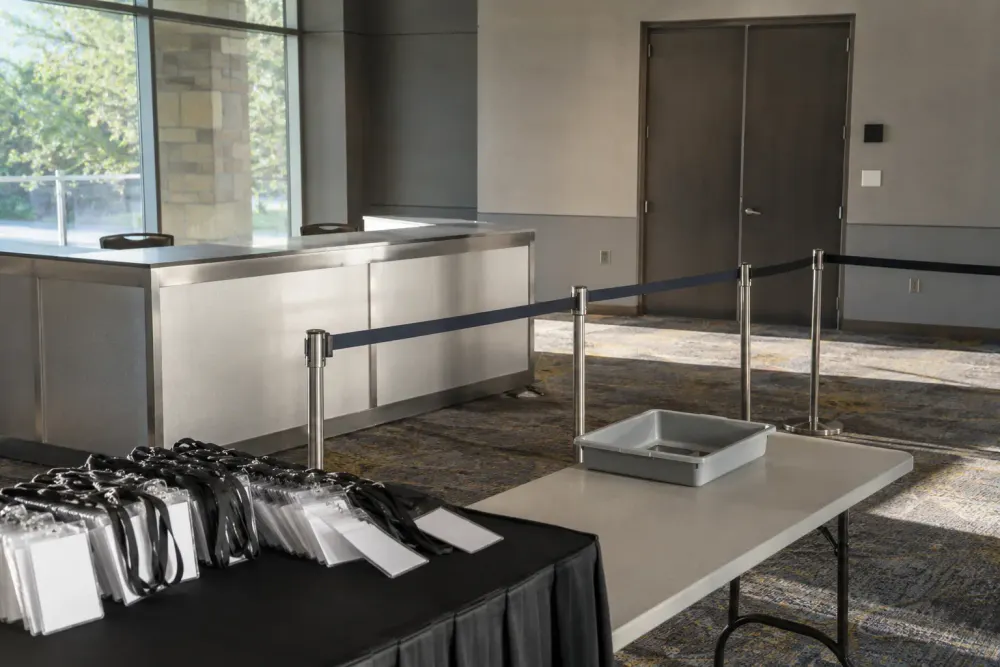
The exclusions landed hours before finance ministers and central bank governors were due to begin two days of talks on August 31. Treasury’s own credential notice said approved media would receive instructions on security screening, press facilities and camera positions, and that credentials were subject to approval. It did not publish selection criteria beyond that general reservation, and Treasury had not identified a security, capacity or procedural reason for rejecting the journalists.
That missing explanation is the central fact, but it does not by itself settle whether the denials were unlawful. Governments routinely control access to secure venues and may limit attendance for neutral logistical reasons. The concern is narrower and more concrete: an American agency hosting a major international meeting selectively excluded experienced reporters and entire teams from prominent outlets while leaving the public unable to assess whether the choices were neutral, consistent or retaliatory.
A selective process with opaque criteria
Treasury opened applications on August 5 and set an August 24 deadline. Its notice promised approved journalists information about credential pickup, screening, filing space, parking and other operational details, but it did not state how limited slots would be allocated or whether applicants could appeal a denial. Those omissions matter because transparency about a credentialing system is one of the simplest ways to distinguish ordinary event management from discrimination among reporters.
The known decisions also resist a simple outlet-wide explanation. Alan Rappeport, a Times correspondent who has covered Treasury and international finance meetings since 2017, was denied, while Jim Tankersley, the newspaper’s Berlin bureau chief, was approved, according to AP. Bloomberg said multiple applications from its journalists were rejected. The Journal declined to comment, leaving the exact scope of its exclusion unclear.
There may be facts not yet public. A late application, incomplete paperwork, duplicate staffing request or security-screening issue could justify an individual denial without implicating editorial viewpoint. But Treasury’s refusal to provide even a category of explanation prevents those possibilities from being tested. Bessent’s assurance addresses motive; a documented process would provide evidence.
The meeting magnifies the cost of lost access
The Asheville gathering is not a ceremonial event. A Reuters account described a U.S. agenda spanning trade imbalances, Chinese exports, sanctions on Iran, high energy prices and pressure in long-term Treasury markets. American public debt crossed $40 trillion this month, 30-year yields reached a 19-year high, and Bessent’s larger debt-buyback operations have drawn questions from investors and former officials. Those are subjects in which small changes in wording can move markets or signal policy.
Credentialed access gives reporters more than a seat at formal briefings. It permits them to observe which officials meet, ask follow-up questions, compare national accounts and test broad claims against specialists from other delegations. Official communiqués record agreed language; they rarely capture disagreements, abandoned proposals or the reasoning behind a compromise. Experienced beat reporters add value because they can recognize departures from earlier positions and challenge numbers in real time.
The public cost therefore depends less on the prestige of the excluded organizations than on the reporting capacity removed from the room. The Times, Journal and Bloomberg maintain teams focused on finance, markets and economic policy, and their work reaches readers well beyond their direct subscribers through citations and market response. Other journalists will cover the meeting, including at least one Times reporter, but access is not perfectly interchangeable when expertise, sources and institutional memory differ.
A broader conflict over federal press access
Treasury’s choices follow a series of confrontations between the administration and established news organizations. At the Pentagon, most major outlets surrendered building badges in October 2025 rather than accept rules they said could punish ordinary newsgathering. A March 2026 Pentagon memo then closed the long-standing correspondents’ corridor and moved toward an annex workspace outside the building, citing security restrictions and expanded facilities.
The Defense Department later declared its press office a classified space because speechwriters handling classified material shared it, further limiting reporters’ physical access, as AP detailed. Courts have been asked repeatedly to decide where security management ends and unconstitutional retaliation begins. Those disputes are fact-specific, but they establish the context in which a new unexplained credential denial will be judged.
The issue widened Sunday when President Donald Trump said NBC’s Kristen Welker should be reported to the Federal Communications Commission for her characterization of his endorsement record. The FCC’s own speech guide says the agency generally does not intervene in complaints about inaccurate or one-sided broadcast journalism because replacing a licensee’s editorial judgment would conflict with the First Amendment. A Reuters report said NBC stood by Welker.
The legal line depends on motive and forum
The clearest recent comparison is the Associated Press lawsuit over White House access after the wire service continued to use “Gulf of Mexico.” A federal district judge concluded that once the government opened spaces to some reporters, it could not exclude another because of its viewpoint, according to a case summary from the Reporters Committee for Freedom of the Press. The judge issued a preliminary injunction in April 2025.
That ruling did not create an unlimited right to enter every government space. The D.C. Circuit later stayed much of the injunction while the appeal proceeded, allowing exclusion from restricted locations such as the Oval Office and Air Force One while preserving relief for the East Room. The Knight Institute criticized that result, but the procedural split illustrates why forum, government control, established access practice and evidence of retaliation all matter.
A conference credential is not identical to a White House pool assignment or a Pentagon building badge. No public evidence currently shows that Treasury rejected the G20 applications because of particular coverage, and Bessent denied such a motive. Any legal challenge would likely turn on records that are not available: the number of applications and slots, written criteria, internal communications, treatment of comparable applicants and any appeal process.
What Treasury can clarify now
Treasury could reduce the uncertainty without disclosing sensitive screening information. It could publish neutral credentialing criteria, state how many applications were received and approved, explain whether space limits applied by outlet, and identify a review process for rejected applicants. It could also arrange an expanded press pool or remote questioning for qualified reporters who cannot enter the secure venue. Each step would make the process more auditable while preserving operational control.
Absent that clarification, the meeting will proceed under two competing accounts. Treasury says viewpoint played no role; the Times and Bloomberg say the denials undermine accountability and press freedom. Neither assertion substitutes for the underlying selection record. The most useful evidence will be whether access changes before the ministerial ends Tuesday, whether rejected journalists receive substantive alternatives, and whether Treasury eventually provides a consistent explanation.
The episode matters because access rules shape what the public can learn before policy hardens into a communiqué or a market-moving announcement. The documented facts establish selective denials, consequential subject matter and no stated reason. They do not yet establish unlawful retaliation. Treasury now controls the information that could resolve that gap, making disclosure of its process the immediate test of whether the Asheville exclusions were routine administration or a further contraction of independent scrutiny.