Montana Fish, Wildlife & Parks has opened a 30-day public comment period on a statewide plan intended to speed environmental review for public construction in streams while preserving project-specific habitat safeguards. Comments on the 132-page draft are due Oct. 25.
The proposal concerns Stream Protection Act permits, commonly called SPA 124 permits. State agencies, counties, cities and other political subdivisions must obtain one before construction that could alter a stream, its banks or tributaries. Under state law, Fish, Wildlife & Parks has 30 days after receiving plans to decide whether a project would adversely affect fish or wildlife habitat and to suggest alternatives when necessary.
The timing problem is that a permit decision is also a state action subject to the Montana Environmental Policy Act. The new draft says a typical MEPA review can take 90 days, creating tension with the Stream Protection Act’s 30-day deadline. Fish, Wildlife & Parks proposes resolving that conflict through a programmatic environmental assessment covering impacts common to all SPA permit types.
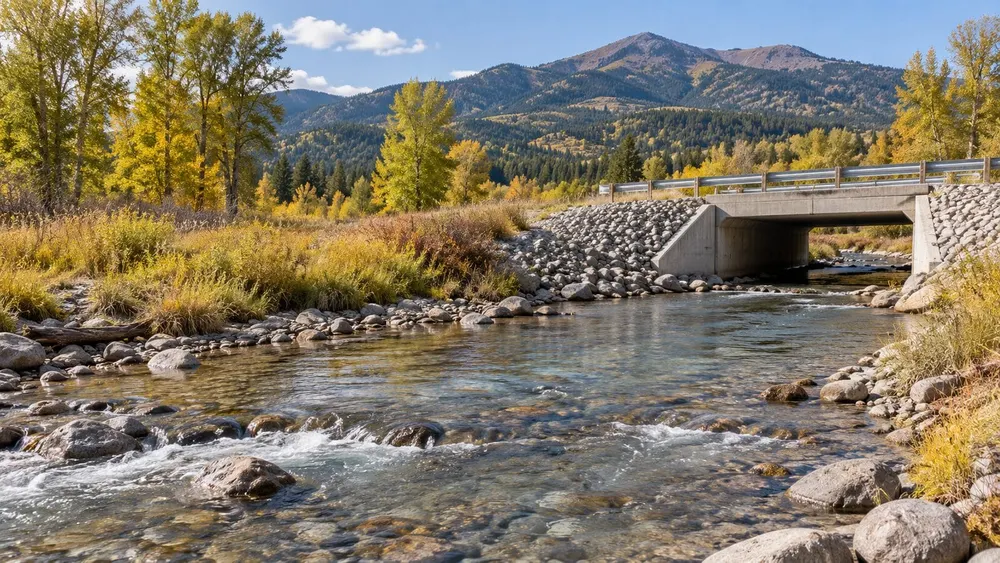
The approach would expand an earlier 2015 programmatic review that covered only bridges, culverts up to 100 feet long and removal of beaver-created obstructions. The 2026 assessment would provide statewide analysis for every project type, including effects on water quality, aquatic species, riparian vegetation, soil, wildlife, private property and cumulative impacts. Administrative rules allow agencies to use programmatic review for related or repetitive actions.
That does not mean every future project would receive automatic approval. The draft says Fish, Wildlife & Parks would still evaluate each application against the programmatic analysis and could require additional environmental review when a project presents changed conditions, new information, unusual effects or impacts different from those already disclosed. The assessment itself does not authorize construction, enlarge the activities eligible for permits or change substantive permit conditions.
Public projects often require other approvals as well. Montana’s permit guide explains that work in or near water may also trigger a local 310 permit, a floodplain permit, federal Clean Water Act authorization, a state water-quality review or a navigable-river land-use license. The agencies use a joint application to reduce duplicate paperwork, but each authority retains its own legal standard.
The Sept. 25 notice says no public meeting is scheduled. Written comments may be emailed to state permit manager Jason Garber or mailed to the Fisheries Division in Helena by 5 p.m. Mountain Time on Oct. 25.
For local governments and state agencies, the proposal could make bridge, culvert, restoration and emergency-response planning more predictable. For conservation interests, the central question is whether a broad statewide review adequately captures local differences among Montana’s watersheds. The comment period is the public’s opportunity to identify gaps before Fish, Wildlife & Parks decides whether to adopt the assessment.