Iowa’s consumer utility watchdog is asking state regulators to require more evidence and hold a hearing before approving a certificate for Alliant Energy’s proposed 1,200-megawatt Riverhawk gas plant in Cerro Gordo County.
The Office of Consumer Advocate said in a Sept. 11 filing that Riverhawk’s capital and operating costs could create affordability risks if ultimately passed to customers, according to a case report published Tuesday. The office wants the Iowa Utilities Commission to test whether the project is needed and cost-effective before granting Interstate Power and Light, Alliant’s Iowa utility, a certificate of public convenience, use and necessity.
That request puts the timing of regulatory scrutiny at the center of the case. Interstate Power and Light has argued that need, prudence and cost-effectiveness belong in a later rate proceeding rather than the current certificate docket. It also asked the commission to waive an evidentiary hearing, saying prior commission decisions support resolving the legal dispute without one.
The consumer advocate counters that approving construction first could leave customers exposed before alternatives and fuel costs receive a full comparison. Its filing estimates that Riverhawk and Alliant’s separate Morgan Valley project together could cost between $2.1 billion and $3.2 billion before operating expenses. Clean Energy Districts of Iowa and the Iowa Business Energy Coalition have also requested a resource evaluation and evidence of need and cost-effectiveness.
What Riverhawk would add
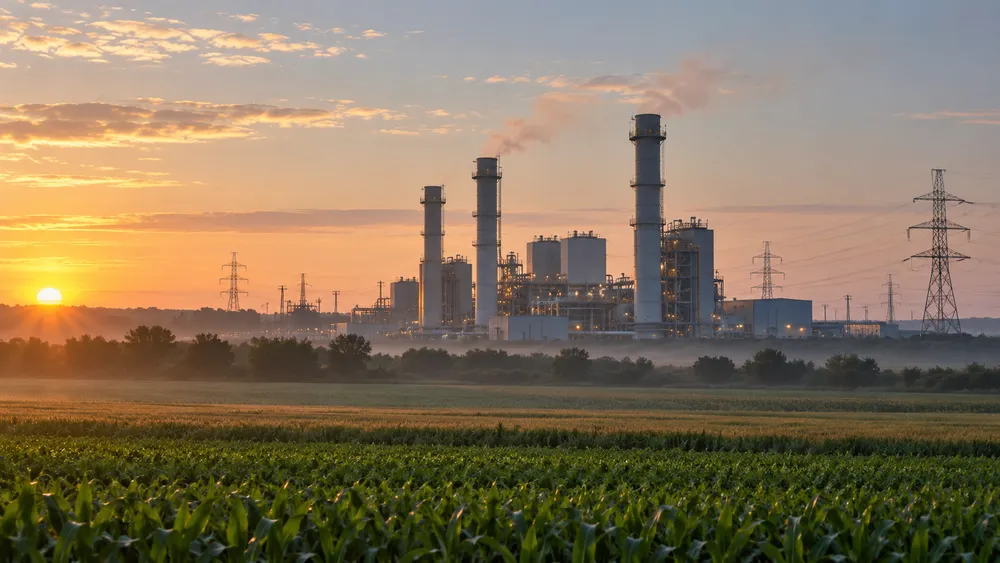
Alliant describes Riverhawk as a fast-starting combustion-turbine plant proposed beside the existing 600-megawatt Emery Generating Station. The company’s project page says the location would allow shared infrastructure and reduce land impacts. Subject to approval, Alliant expects the plant to enter service in 2031 and says it would help meet rising demand while supporting renewable generation during high-demand periods.
The company’s materials also acknowledge multiple layers of review. A docket presentation filed in May identifies a 2026–2027 regulatory review, followed by a potential approval decision and construction from 2028 through 2031. The presentation says Alliant must show the project is in the public interest before construction can begin.
Alliant says costs would enter customer rates only if regulators later find them prudent and necessary. It has also said base electric rates will remain stable through the end of the decade under a 2024 settlement. Riverhawk would still require environmental permitting and air-quality review by the Iowa Department of Natural Resources, in addition to commission approval.
Why the procedure matters
The Office of Consumer Advocate is part of the Iowa attorney general’s office and is legally charged with examining regulated utilities’ rates, charges and practices. Its official mission includes representing consumers in commission proceedings and pursuing safe, reliable and reasonably priced service.
The commission’s next procedural choice will therefore shape what evidence becomes public before it decides on the certificate. Ordering testimony and a hearing would create a record on projected demand, alternatives, fuel exposure and customer allocation. Waiving a hearing would leave those questions for later proceedings, as the utility requests. Neither path by itself decides whether Riverhawk will be built or what customers would ultimately pay.