A Delaware state auditor’s report finds that shortages of suitable placements have left some children in state custody temporarily staying in government offices not designed for residential care. The October 14 special report identifies safety and oversight gaps; Spotlight Delaware reports that the agency says it is developing alternatives.
State Auditor Lydia York’s office reviewed placement practices and spending for fiscal years 2023 through 2025 after receiving a complaint in December 2024. The findings concern the Department of Services for Children, Youth and Their Families, particularly children in Division of Family Services custody, rather than a single local facility, the evaluation explains.
Capacity and documentation
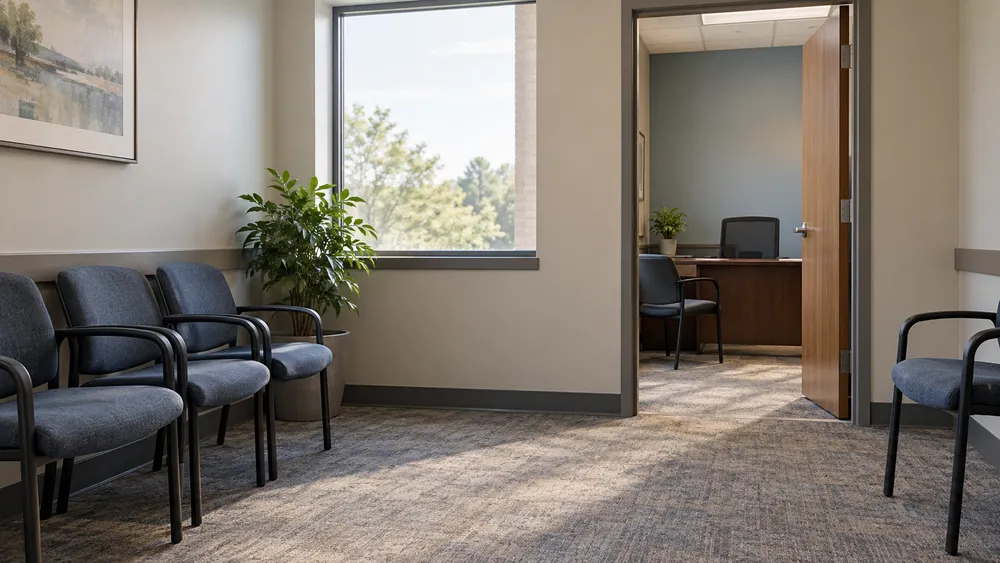
The report describes offices without showers and shortcomings in emergency-placement and medication procedures. Delaware Public Media reports that stays can last multiple nights, but the report does not provide an exact count of occurrences. That limitation matters: the findings establish a problem without measuring its full frequency.
Out-of-state placement spending reached $3,627,091 in fiscal 2025, up from $2,298,534 in fiscal 2023, according to the spending table. Public Media also reports the increase and notes that contract costs rose and lengths of stay varied. Higher spending alone does not establish that placements were unnecessary.
The auditor’s assessment says out-of-state services will likely remain necessary when Delaware cannot meet a child’s specialized needs. The report recommends periodic cost-and-service reviews, clearer placement procedures and stronger monitoring. The issue is how the state selects and oversees care—not a blanket recommendation to end all out-of-state placements.
Additional beds are still ahead
The agency points to a $6 million renovation at the Stockley Center in Georgetown. The report projects 12 beds and completion by July 2027, details corroborated by Spotlight’s reporting. Those are planned resources, not beds already available to resolve every emergency placement today.
Division of Family Services director Sarah Azevedo told Spotlight that office stays occur in limited circumstances and that the department has worked for years to address shortages. She said the Georgetown space would help children who do not meet admission requirements for particular treatment facilities. She also described difficulties attracting private providers, including insurance barriers.
Azevedo told the outlet that keeping children in Delaware is a goal, but that a child’s needs—not finances alone—determine whether out-of-state care is appropriate. Separately, York told Public Media that capacity was the central problem and that measurement is essential to planning. York also acknowledged that the department was seeking solutions while her investigation was underway, rather than only responding after publication.
For state policymakers, the report leaves two linked tasks: expand appropriate placement options and document how emergency arrangements function in the meantime. A construction plan can add capacity; it does not by itself establish that the oversight and safety weaknesses identified in the evaluation have been corrected.