
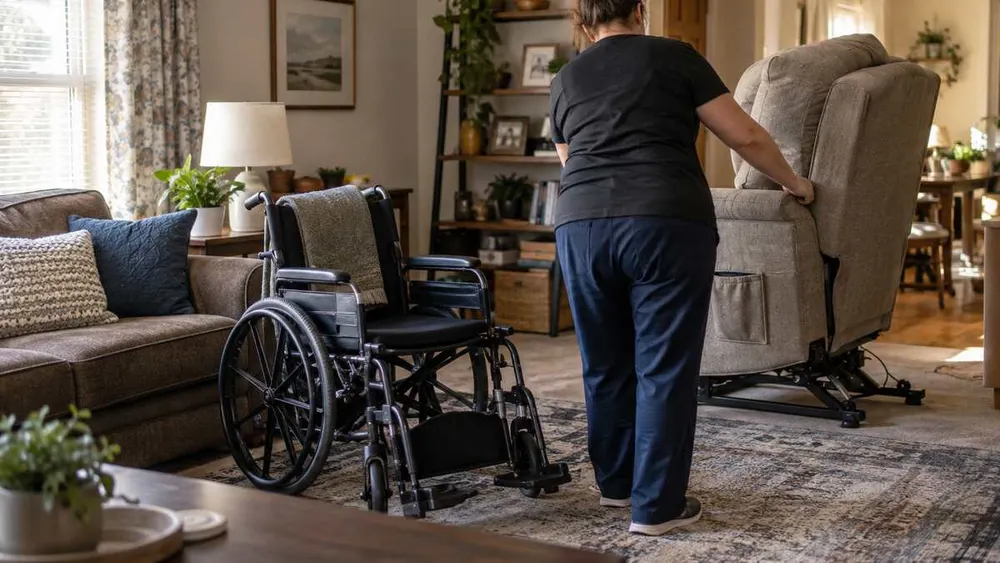
Arkansas is preparing to extend supportive-living services to every eligible person on its Community and Employment Support waiver waiting list, a change that would bring in-home assistance to 2,464 residents while they wait for a full Medicaid waiver slot.
Gov. Sarah Huckabee Sanders and Department of Human Services Secretary Janet Mann announced the framework Tuesday, saying the expansion is expected to cost about $17 million. The administration will still have to work with lawmakers on short- and long-term funding, so the announcement is a plan rather than an immediate benefit change. The governor’s release says Provider-Led Arkansas Shared Savings Entities, or PASSEs, should begin making supportive living available by January 2027 at the latest.
Supportive living pays for individualized help that allows people with intellectual or developmental disabilities to remain safely in their homes and communities. The state’s CES waiver guide says the broader program can support independent living, employment coaching and care coordination, with the goal of avoiding institutional placement when community-based care is appropriate.
People on the waiting list can already receive many Medicaid services, but supportive living has remained one of the major gaps. According to the administration, waitlisted residents may access 25 of the 29 services offered through the waiver; supportive living is among the four unavailable services and has been the most frequently requested. The waiver currently has an enrollment cap of 8,233 people.
The change would operate through Arkansas’ PASSE managed-care system, which coordinates physical health, behavioral health and disability services for Medicaid beneficiaries with complex needs. Families on the CES waiting list are automatically enrolled in a PASSE, giving the state an existing delivery structure if funding and federal approvals move forward.
The timing has two tracks. Arkansas plans to use the PASSEs to begin the interim expansion no later than January. It also intends to include the benefit in a CES waiver resubmission planned for February, with a renewed waiver expected to take effect in August 2027. That federal process matters because home- and community-based waiver services are jointly governed and financed through state Medicaid programs and federal approval.
The proposal follows months of public pressure from families who said the wait for affordable in-home care had become unsustainable. Arkansas Advocate reported that families organized online and sought a special legislative session, while some caregivers described leaving work or absorbing extensive unpaid care responsibilities.
For families, the practical point is that the waitlist itself is not being eliminated and full waiver slots are not being awarded automatically. Eligibility, funding and implementation work remain. DHS advises applicants to keep contact information current and says families can request their place on the waiting list through its developmental-disabilities intake office. Until the new benefit is formally launched, existing coverage rules remain in effect.