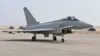
NATO will send additional maritime patrol aircraft, radar systems and drones to the Black Sea after deadly attacks on commercial shipping, alliance officials said October 20. The decision followed a meeting of the North Atlantic Council in Brussels, according to Reuters.
The announcement moves the response beyond the consultations described in TAQ’s earlier report on tanker fires near Romania. It adds surveillance and investigative support for an exposed flank of the U.S.-led alliance, while leaving a central question unresolved: NATO has not publicly attributed the recent series of shipping attacks to a country.
More sensors and investigative support
Alliance spokesperson Allison Hart said the additional resources would support surveillance, reconnaissance and forensic work. Colonel Martin L. O’Donnell, spokesperson for Supreme Headquarters Allied Powers Europe, said allies had sent or would send patrol aircraft, radars, drones, intelligence personnel and explosives specialists. El País reported his explanation that more sensors and data sharing were intended to improve knowledge of conditions in the region.
The emphasis is on detecting threats and establishing what happened, rather than announcing responsibility before investigations conclude. The public accounts of Tuesday’s decision did not specify a complete force total or deployment timetable. They also did not establish that every additional asset was already operating.
Shipping attacks reach allied waters
The Associated Press reported last week that at least seven cargo vessels had been attacked this month off Romania and Bulgaria. Some incidents occurred in exclusive economic zones, while a ship struck near Romania was in territorial waters. The distinction matters when describing how closely the war’s maritime dangers have reached NATO members.
Commercial crews have faced fires, sinkings and rescue operations, not merely interruptions to navigation. The attacks threaten a commercial route also used for Ukrainian agricultural exports. Those risks extend beyond the vessels immediately struck, though additional surveillance is not itself evidence that the route has become safe.
Responsibility remains under investigation
NATO’s deployment announcement did not identify an attacker, and Russia has not acknowledged responsibility for this series of strikes. Suspicion of Moscow is not equivalent to a completed forensic finding. The distinction is consequential: confirmation that a ship was hit does not, by itself, identify the operator or origin of the weapon.
Earlier allied coordination was already underway. Stripes reported October 15 that NATO’s senior military commanders were consulting defense chiefs and Romanian authorities were investigating several vessel incidents. Tuesday’s additional resources therefore build on an existing response; they do not mark the alliance’s first involvement in Black Sea shipping security.
U.S. mariners already face a warning
The U.S. Maritime Administration’s active regional advisory warns of projectiles, drones, unmanned vehicles and naval mines. The agency also identifies miscalculation, misidentification and electronic-warfare interference as possible causes of damage. That warning is broader than an attribution of any particular October attack.
MARAD advises U.S.-flagged commercial vessels to assess risks, review security plans and consult current navigation warnings. It calls for immediate reporting of incidents or suspicious activity to NATO shipping authorities, the Coast Guard and U.S. Naval Forces Europe, as well as activation of the Ship Security Alert System. That guidance remains a warning to operators to manage exposure, not an assurance of protection for any individual voyage. For now, the confirmed change is a larger allied surveillance and investigative effort, not a finding that the threat to merchant crews has ended.