Emergency posture extends into Thursday
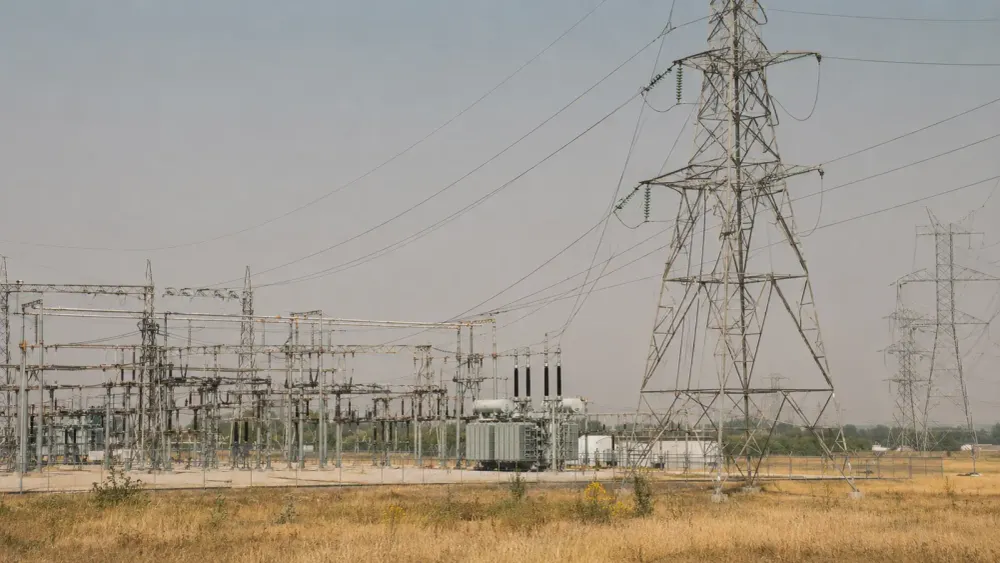
The power grid serving 67 million people is preparing for a Thursday peak of 152,496 megawatts after extending maximum-generation and load-management alerts across a territory stretching from Washington to Chicago. PJM Interconnection said in its latest operator update that hot, humid weather would keep its Hot Weather Alert active through September 3. The two higher-level notices are aimed at power companies and large participants, not the public, but they signal that operators want every practical unit available and demand-response resources ready.
Wednesday proved less severe than first feared. By 4 p.m., PJM had lowered its expected peak for the day to 143,241 megawatts from a day-ahead estimate of 147,840 megawatts. Yet the system had already served a preliminary hourly peak of 152,518 megawatts on Tuesday, and Thursday's forecast moved back above that mark. The alerts remained because grid planning must cover an equipment failure or transmission constraint, not merely the most likely demand.
The federal government also gave PJM an unusually broad backstop. A September 1 emergency order found that a statutory power emergency existed because of rising demand, unavailable generation and other constraints. PJM reported roughly 15,000 megawatts of generation outages, significant north-to-south transmission congestion and firm export obligations while forecasting demand near 152,000 megawatts. The order lets PJM exceed specified plants' normal operating limits when necessary and, as a last resort before or during the highest emergency tier, direct certain large customers to run on-site backup generation instead of drawing from the grid.
As of late Wednesday, neither PJM nor the Midcontinent Independent System Operator had reported systemwide rotating blackouts. That distinction is central. Reuters described a rising outage risk, not an outage event, as MISO projected demand near 121 gigawatts against an all-time peak of 127.1 gigawatts. PJM's alert explicitly said customers did not need to act. A rural Missouri cooperative did ask members to conserve, showing how local conditions can tighten even when the regional system remains intact.
Heat turns ordinary demand into a reliability test
Late-summer heat increases electricity use in a highly synchronized way: millions of air conditioners work hardest in the same afternoon and early-evening hours. It also reduces the margin for error as thermal plants lose efficiency and transmission equipment carries less power safely. The National Weather Service maintained an extreme warning for much of central Illinois through Friday, with heat-index values around 105 degrees and limited overnight relief.
A regional grid must continuously match generation with consumption while preserving reserves for the sudden loss of a major plant or power line. The relevant question is therefore not whether total installed capacity exceeds expected demand on paper. Operators need enough capacity that can start, ramp or reduce load at the right place and moment without overloading the transmission network. PJM's north-to-south constraints illustrate that electricity available in one part of a regional system cannot always be delivered freely to another.
MISO confronted the same weather with a different mix of constraints. The grid operator, which serves about 42 million customers in 15 states and Manitoba, increased its normal reserve requirement to buffer possible generator outages and transmission congestion. Its projected 121-gigawatt peak was below the record, but the narrowest operating period was expected after solar production began to fade while temperatures remained high. That timing risk is consistent with the NERC assessment, which found that growing solar output helps MISO meet peak demand but can shift its tightest hours later in the day.
Demand is growing beyond the weather cycle
The heat wave is temporary; the load growth behind it is not. The Energy Information Administration's March demand forecast projected U.S. electricity use would increase 1.9% in 2026 and 2.5% in 2027. It expected annual load growth averaging about 3% in PJM between 2025 and 2027, among the country's fastest rates, as data centers and other large commercial facilities connect faster than new generation and transmission can always be built.
Northern Virginia makes the trend tangible. PJM expects summer peak demand in its Dominion zone to grow an average 5.4% a year over the next decade, largely because of data centers, according to federal data. The zone's 2025 summer peak was already 23% higher than in 2019. That concentrated growth matters during a heat emergency because the Dominion area was among five territories where PJM activated pre-emergency load management on September 1.
Not every proposed data-center megawatt will become real demand. A separate Reuters analysis found that proposed U.S. connections exceeded 700 gigawatts, more than ten times estimated current use, prompting several jurisdictions to screen speculative projects. Overstated requests can cause unnecessary investments and higher customer costs; dismissing genuine projects can leave the system short. Regulators need verified timelines, deposits and transparent forecasts.
Seasonal studies were not blind to the risk. NERC assessed PJM as having a low probability of falling below reserve requirements under its modeled summer scenarios, with installed reserves near 26% against an 18.6% requirement. It nevertheless said extreme heat could require demand response. For MISO, NERC found expected resources adequate but warned that above-normal load combined with weak resource conditions could require emergency alerts and load-modifying resources. An emergency procedure is therefore not proof that the planning model failed; it can be the very mitigation the model assumed would be available.
The emergency tools carry tradeoffs
PJM's first lever is operational discipline. A maximum-generation alert asks owners to defer or cancel maintenance and testing so more units remain available. It also warns neighboring systems that PJM may curtail exports. A load-management alert prepares companies enrolled in demand-response programs to reduce consumption if called. Those actions preserve reserves without interrupting ordinary customers, but repeated deferrals can compress maintenance schedules and reliance on neighboring systems weakens when the same heat covers several regions.
Demand response is often the cleanest near-term resource because it pays participating customers to lower use instead of requiring another generator to start. It can include reducing industrial processes, adjusting building cooling or shifting flexible computing work. The limitation is contractual and geographic: only enrolled loads can be called, their actual performance can vary, and reductions in one zone may not solve a transmission bottleneck elsewhere. PJM's notices identify readiness, not guaranteed megawatts.
The federal order moves further by temporarily allowing specified generators to exceed environmental operating limits and large commercial sites to use backup resources when reliability requires it. Those units may increase air pollutants or wastewater releases. Operation is limited to hours PJM deems necessary, with daily reporting, and backup equipment serving hospitals, 911 centers, water systems, air-traffic control, defense and similar critical facilities is excluded. The order expires at 11:59 p.m. Eastern on September 8 unless renewed.
Longer term, MISO and its state regulators say utilities expect to add an average 15 gigawatts of accredited summer capacity annually over the next five years. The June regional survey called that a record pace, but planned capacity is not the same as completed, deliverable capacity. Transmission construction, interconnection studies, fuel security and the declining evening output of solar resources all determine whether those additions reduce emergency risk.
What Thursday will reveal
The most important number is PJM's actual Thursday peak relative to the 152,496-megawatt forecast. A lower result would increase reserves but would not explain whether weather, industrial schedules or voluntary reductions changed demand. Operators will also watch generation outages, flows across constrained lines and imports. Wholesale prices can rise before reliability is threatened as more expensive units are dispatched.
For households, the practical signal remains local. PJM has not issued a regionwide public conservation appeal, and its alerts require no direct customer action. Utilities can still make targeted requests if local systems tighten. Customers should follow utility and emergency-management notices rather than treating an operator alert as evidence that an outage is imminent.
The broader lesson is that reserve margins are conditional, not permanent. This week's grids entered emergency posture with no confirmed mass interruption because operators had several layers available: maintenance deferrals, imports, demand response, backup generation and temporary regulatory relief. Each layer also has costs or limits. The test over the next day is whether those safeguards remain precautionary while heat and electricity demand crest together for a third consecutive day.