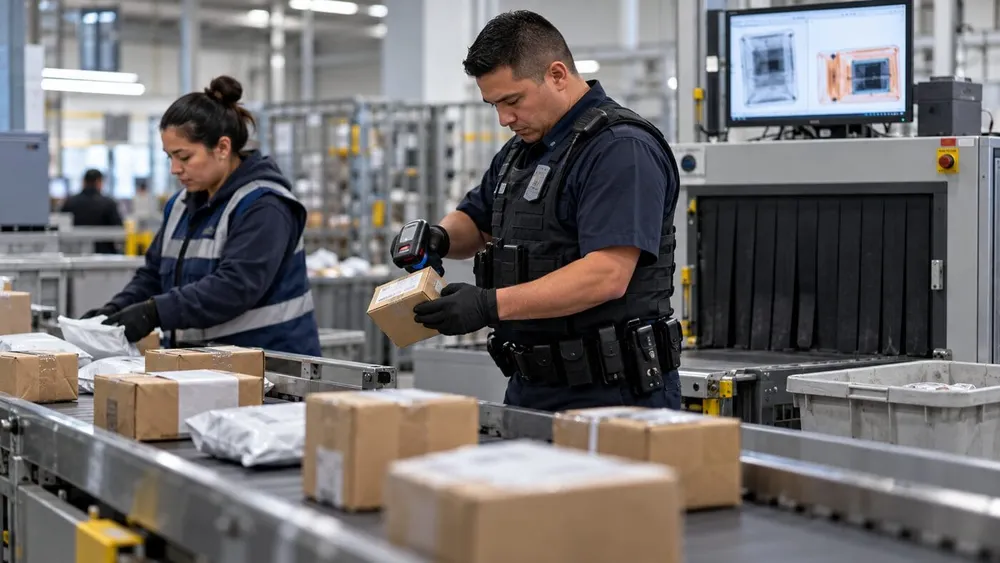
WASHINGTON — U.S. Customs and Border Protection has delayed mandatory compliance with a new electronic entry process for international mail until Jan. 20, 2027, giving postal operators, brokers and importers 90 additional days to prepare while leaving unresolved how the system will handle personal prescription-drug shipments.
The compliance date had been Oct. 22, less than two weeks before the midterm elections. CBP said current international mail procedures will remain in place during the extension. The agency framed the pause as an implementation step that would reduce disruption, allow technology and logistics systems to be updated and help close gaps exploited by smugglers. The delay does not restore the former duty-free treatment for low-value packages or create a new right to import foreign medicine.
A broader rewrite of low-value imports
The policy grew out of the government's suspension of the de minimis exemption for most goods valued at $800 or less. A June Federal Register rule created a new informal entry process for merchandise arriving through the international postal network, while a companion action applied to other shipping modes. The changes were intended to collect duties more consistently and improve visibility into packages that can be used to move counterfeit goods, illegal drugs or products subject to trade remedies.
CBP's public guidance explains that the previous de minimis exemption no longer applies broadly to international mail and that carriers may need an active customs bond. Under the delayed process, electronic filing is required for postal shipments that fall under certain trade duties or the jurisdiction of a partner agency such as the Food and Drug Administration. Those requirements can be routine for large commercial shippers but difficult for small foreign pharmacies, postal operators or individual customers to navigate.
Reuters reported that patient advocates and industry groups warned the combination of electronic data, bonding and agency screening could cause delays, refusals or new fees for prescription orders sent from abroad. CBP's announcement did not single out medicine and did not say whether personal-use prescriptions will receive a separate pathway after Jan. 20.
Personal importation occupies a narrow policy space
The FDA says that, in most circumstances, individuals may not legally import prescription drugs that are not approved for use and sale in the United States. Its personal-importation policy nevertheless allows staff to consider enforcement discretion in limited situations, including some treatments for serious conditions when the product does not present an unreasonable risk and other conditions are met. That is a case-by-case enforcement approach, not a blanket exemption.
This distinction has created the present conflict. The customs system is being redesigned around advance electronic data and standardized entry categories, while the health regulator has historically retained room to assess individual packages. An automated process that lacks a clear field or route for a discretionary health review could reject a parcel before FDA staff can exercise that judgment.
Seventy-one House members led by Reps. Jan Schakowsky and Mark Pocan asked HHS, DHS, FDA and CBP to preserve access to genuine, noncontrolled medicines for personal use. Their letter summary said millions of Americans obtain lower-cost prescriptions from Canada and other countries and warned that the new procedures could interrupt that channel. The request did not change federal law, but it documented the access concern that became more urgent as the former deadline approached.
Earlier Associated Press reporting also described concern from lawmakers in both parties and from patients who use licensed foreign pharmacies because U.S. prices are higher. At the same time, regulators must distinguish those orders from counterfeit, adulterated or controlled drugs. A broad exemption based only on a sender's label would create an obvious enforcement gap.
What the extra 90 days should resolve
The extension is useful only if agencies use it to publish operational answers. CBP and FDA should specify what data a foreign pharmacy or postal operator must provide, how a prescription is identified, which products are categorically excluded and how a package can be referred for human review. They also should explain whether a bond is required for ordinary personal-use orders and who bears the cost.
Agencies need a consistent appeal and notice process. When a package is detained or refused, the recipient should be told which agency made the decision, the legal basis and what documentation could resolve it. Aggregate reporting on volumes, refusals and reasons would allow Congress to see whether the policy is targeting commercial evasion or unintentionally cutting off low-risk patient orders.
The government also should separate two questions that are often blurred together. Ending duty-free treatment determines whether a package owes tariffs or fees. FDA admissibility determines whether a drug may enter. A shipment can satisfy one system and fail the other, so public guidance should not imply that paying a duty legalizes an otherwise inadmissible medicine.
The Jan. 20 date buys preparation time but does not settle the underlying tradeoff. CBP is trying to modernize a mail channel vulnerable to smuggling and incomplete data; patients and lawmakers are asking that automation not erase the limited discretion FDA already uses. A durable policy will require a documented handoff between those goals, not another last-minute delay.