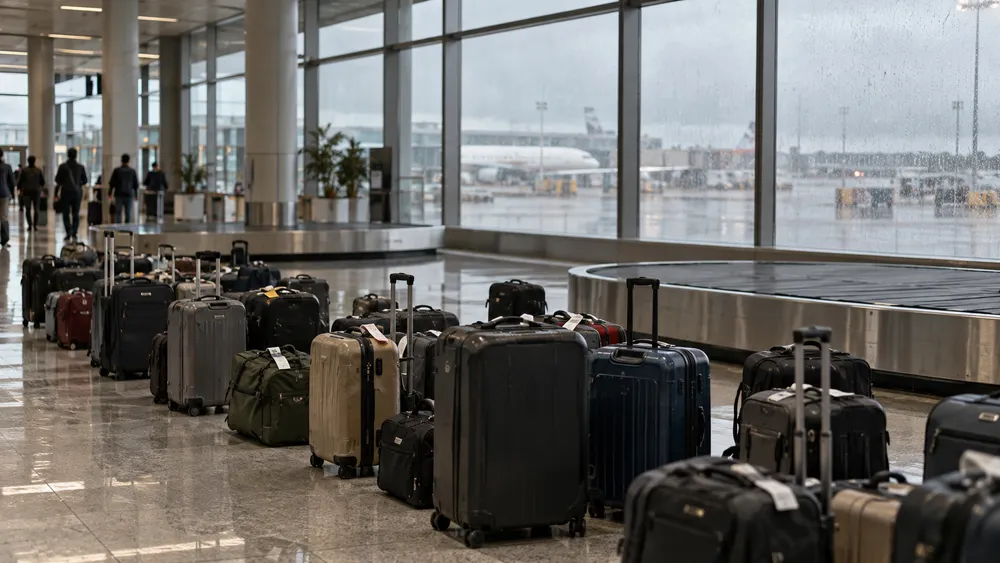
Thai Airways cut about 30 departures from Bangkok on September 29, roughly 30% of its planned schedule, as flood-related staffing shortages left about 5,600 bags stranded at Suvarnabhumi Airport. The disruption at Thailand’s largest international gateway persisted even as floodwater began receding from major roads and both of Bangkok’s airports remained open.
The airline said nearly all of its flights had been delayed during the preceding two days and fewer than 3% had operated on time, according to Reuters. Thai Airways planned temporary reductions for at least several days while employees who could reach the airport worked through delayed baggage, cargo and aircraft turnarounds.
For travelers, the distinction between an open airport and a functioning itinerary became critical. Suvarnabhumi, known by the airport code BKK, continued handling flights, but Thai Airways cancellations affected domestic and international routes, including services connecting Bangkok with New Delhi, Singapore, Kuala Lumpur, Frankfurt, Munich and Brussels, according to an official cancellation notice.
Flooding Strained the Airport’s Ground Operation
The bottleneck developed on the ground rather than on runways. Thai Airways said about half of the personnel needed for its operation could not report to work as flooded roads disrupted travel across Bangkok and surrounding areas. That shortage reduced the airline’s ability to unload and sort baggage, handle cargo, prepare cabins and turn aircraft for their next departures.
The disruption shows why an airport can remain technically operational while passenger service deteriorates. A flight may land safely, but a shortage of ramp workers, baggage handlers or other ground staff can delay the aircraft’s next departure and separate passengers from checked luggage. The backlog was visible in rows of bags inside the arrivals hall; the Associated Press reported that Thailand’s air force sent 69 personnel to help clear it.
Travelers Face Cancellations Despite Open Airports
Thailand’s tourism authority said Suvarnabhumi and Don Mueang International Airport, Bangkok’s other major airport, remained open and operational. The Airport Rail Link and the city’s principal urban rail systems were also running, according to the latest visitor update. Most central visitor districts and major attractions remained accessible.
That improving picture did not mean every itinerary was secure. Thai Airways continued delivering registered delayed bags and advised passengers to verify both flight and baggage status before leaving for the airport. The government’s traveler guidance also recommended allowing extra time and, when driving to Suvarnabhumi, avoiding the flood-prone Lat Krabang area in favor of Highway 7 or the Burapha Withi Expressway. The earlier airport advisory recommended arriving at least three hours before an international flight and two hours before a domestic departure.
Recovery Will Take Longer Than the Rain
Bangkok received about 320 millimeters, or 12.6 inches, of rain over three days, nearly its usual total for the full month of September. Officials expected most major roads to drain within two days if heavy rain did not return, but low-lying areas could need as long as a week. A September 29 government recovery update said three Bangkok communities remained significantly flooded and warned that some baggage delays could take about a week to resolve.
The wider emergency remained severe. Thai officials said flooding had affected more than 2.6 million people and killed at least 19, while Reuters reported a later nationwide toll of 23. The figures came from different official updates during a fast-moving response, but both underscored that the airport disruption was one part of a national disaster rather than an isolated service failure.
Tourism Adds Pressure to Restore Reliability
Thailand’s cabinet approved 4.1 billion baht, about $122 million, in emergency assistance on Tuesday, the Associated Press reported. The government also approved a much larger eight-year drainage project for Bangkok and the central region. Those commitments reflect both the humanitarian costs of the flooding and the economic importance of keeping transportation networks reliable.
Tourism is a major source of income for Thailand, and Bangkok is a gateway for travel throughout Southeast Asia. Foreign arrivals from January through September were already down 3.12% from a year earlier, to 21.28 million, Reuters reported. Extended delays at Suvarnabhumi can therefore affect connecting passengers, regional tourism businesses and the country’s reputation beyond the travelers whose flights were directly canceled.
What Passengers Should Watch Next
The immediate test is whether Thai Airways can restore enough ground-handling capacity to reunite passengers with bags and stabilize its schedule. The airline said it intended to clear most of the backlog within days, but the government’s longer estimate indicates that some cases may take more time. Travelers should rely on their airline’s current flight record rather than the airport’s open status alone.
The evidence as of Tuesday pointed to improving access across much of Bangkok, not a complete return to normal. Travelers with near-term connections through Suvarnabhumi should confirm each segment, keep essentials and medication in carry-on luggage, and allow additional time for airport access. The decisive signs of recovery will be fewer cancellations, a shrinking baggage backlog and sustained road access even if rain returns.