Washington’s Salmon Recovery Funding Board has approved $21.5 million for 75 habitat projects across 27 counties, a statewide package intended to reopen streams, rebuild riverbanks and protect places where salmon spawn and rear. The board announced the awards September 16 after taking final action at its September meeting.
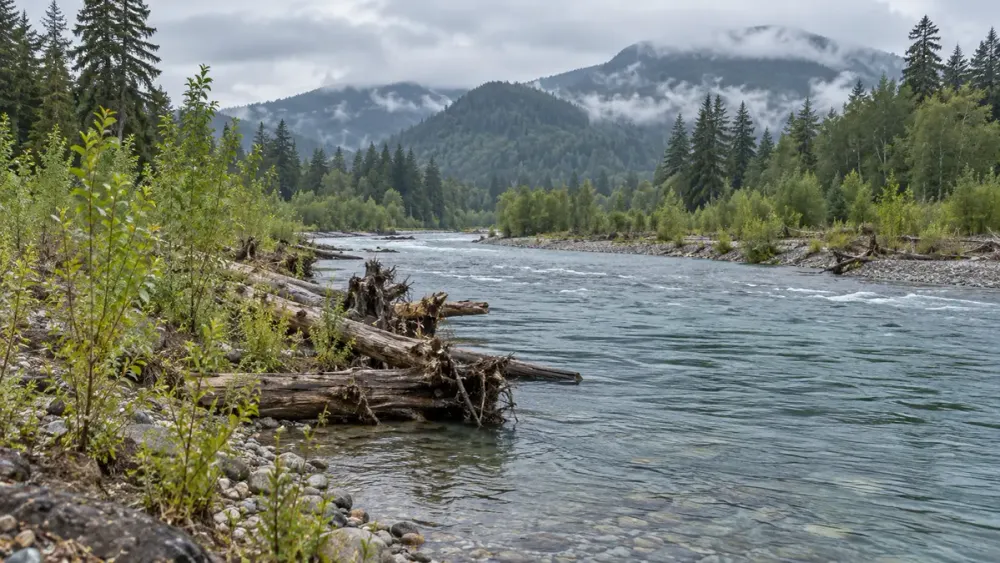
The grants cover a mix of construction, land protection, planning and design. Work described by the Recreation and Conservation Office includes removing fish-passage barriers, reconnecting rivers with floodplains, adding large woody material to streams and restoring vegetation along waterways. The agency says those measures can also reduce erosion and flood risk while improving water quality.
The money comes through four public funding streams: the state Salmon Recovery Program, the Riparian Grant Program, the federal Pacific Coastal Salmon Recovery Fund and Washington’s Climate Commitment Act. That blend matters because the projects are spread among local governments, tribes, nonprofit groups, conservation districts and other sponsors rather than being built by one state agency.
Projects must fit regional recovery plans
Washington’s salmon recovery grant program requires applicants to connect proposed work to a regional salmon recovery plan or a local lead entity’s strategy. Proposals then pass through local technical and citizen review before regional organizations and a statewide review panel examine them. The board’s 2026 schedule called for final awards September 15 and 16.
That review process is designed to target limited dollars where habitat work has the strongest biological case. Typical eligible projects include replacing culverts that block fish, removing shoreline armoring, rebuilding estuaries, stabilizing streambanks with native plants and buying habitat at risk of development. Acquisition sites must remain protected permanently, while restoration projects generally carry maintenance obligations of at least 10 years. Eligible sponsors range from state and local agencies to tribal governments, conservation districts, nonprofit organizations and private landowners, so residents should look to the individual grant sponsor for site-level schedules and access notices.
The need remains substantial. Washington’s official State of Salmon in Watersheds assessment tracks recovery conditions by region and identifies continuing pressure from habitat loss, warming water, altered stream flows and barriers. Fourteen salmon and steelhead populations in Washington are listed under the federal Endangered Species Act, according to the funding announcement.
What residents should expect
A statewide award does not mean every project starts immediately. Sponsors must complete grant agreements, permits, designs and, in some cases, land transactions before on-the-ground work begins. Construction timing will vary by project and often must avoid sensitive fish-migration windows.
Residents may see localized trail, road or water-access disruptions where crews replace culverts, reshape banks or place wood in streams. The Recreation and Conservation Office publishes project information and administers the grants, while the named local sponsor is responsible for delivery. The September awards therefore mark the funding decision, not completion of the work.