
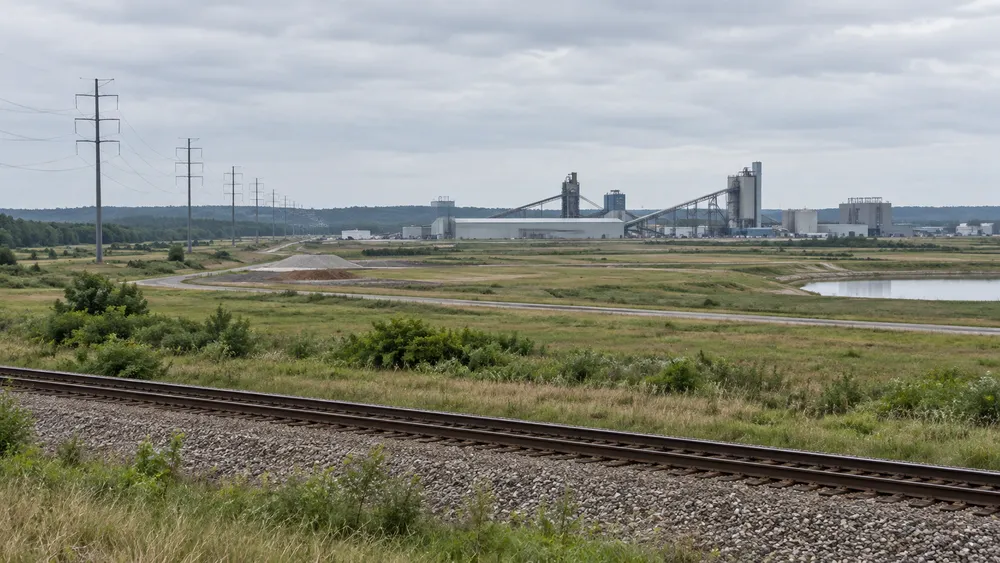
Inola has extended its moratorium on aluminum-smelter permits through April 2027 and set a local referendum on the proposed project, moving a multibillion-dollar industrial dispute onto the town’s ballot. The City Council voted unanimously on September 14, and the vote is scheduled for April 7, according to a Reuters report published Friday.
The $4 billion project would be developed by Emirates Global Aluminium and Century Aluminum at the Port of Inola. The companies plan a plant capable of producing 750,000 metric tons a year, which Reuters described as the Western Hemisphere’s largest source of primary aluminum and the first new U.S. smelter since 1980. A state Commerce release says EGA holds 60% of the venture and Century 40%, with construction previously expected to begin by the end of 2026.
The referendum adds a third decision track to the project’s future: local permitting, state litigation and environmental review. Attorney General Gentner Drummond sued to stop construction and asked for a preliminary injunction. In an August court filing, the state alleged that the developers’ permit application projected potential emissions of about 425.5 tons of fluoride compounds a year and argued construction should wait while the case is decided. Those are the state’s allegations, not judicial findings.
The developers have disputed that case and say the project remains in the permitting stage. They recently submitted a revised environmental plan intended to reduce proposed fluoride-emission intensity by more than one-third, according to an official release. Reuters reported the companies also promised an economic-impact study and called a referendum before the litigation is resolved premature and legally risky.
The stakes extend beyond Inola. The project has received a $500 million federal grant and a $255 million state incentive package, an Oklahoma Voice review found. State economic-development officials argue the smelter could anchor downstream manufacturing for electrical, defense, aerospace and automotive products. Opponents say the incentives, ownership structure and possible effects on nearby homes, schools, farms and livestock require more scrutiny. The scale makes the dispute a statewide test of how Oklahoma balances industrial recruitment, public subsidies and environmental risk.
Gov. Kevin Stitt has suggested the industrial park could leave Inola’s jurisdiction, but Reuters reported that state law requires local approval for such a move. That means the town’s position cannot be dismissed as symbolic even as the court case and state environmental process continue.
For Oklahoma, the April vote will test whether a national supply-chain project can proceed without durable local consent. The moratorium does not finally reject the smelter, and the referendum will not by itself resolve the lawsuit or environmental permit. It does, however, delay the timetable and give Inola residents a formal role in a decision that state and federal officials had treated primarily as an industrial-development opportunity.