Minnesota election officials are preparing to monitor federal election monitors during the November 3 midterms, extending an unusual oversight arrangement used during the state’s August primary.
Secretary of State Steve Simon told Reuters that his office is likely to continue coordinating with the Minnesota attorney general’s office to shadow Justice Department personnel. The plan comes as the department prepares to deploy about 1,000 monitors nationwide—roughly three times the number used in the previous midterm election—although the final Minnesota locations and staffing have not been publicly specified.
The state’s response is based on experience from the August 11 primary. The Justice Department’s official announcement said approximately 20 federal staff members would monitor sites in Hennepin and Ramsey counties for compliance with federal voting laws. Minnesota, in turn, deployed about 40 state employees in pairs to observe the federal teams, Reuters reported.
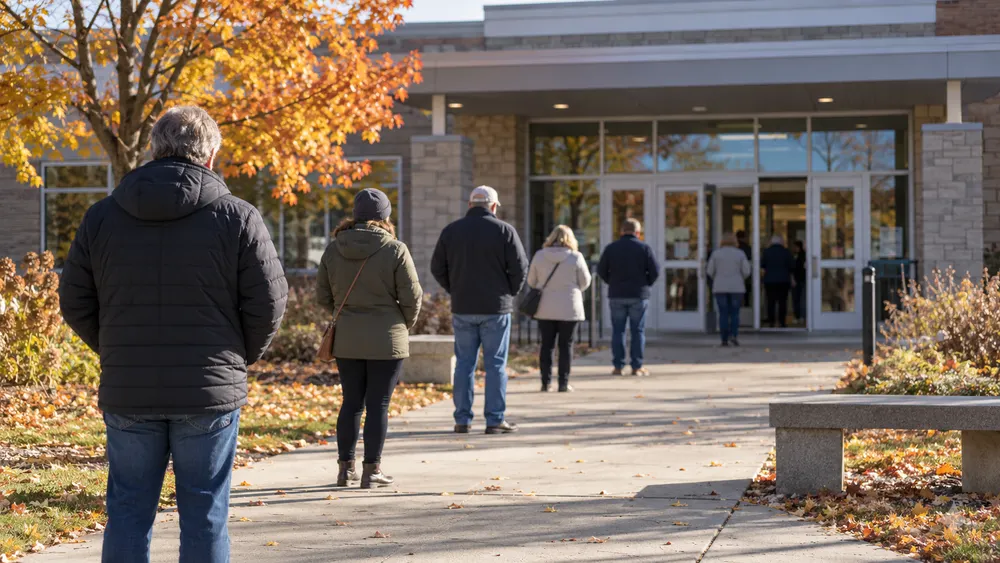
State and local officials did not allow the federal monitors inside polling places. A Hennepin County notice said the county denied the department’s access request after consulting with the secretary of state and others. The department agreed to remain outside the statutory 100-foot boundary. County officials advised voters that federal personnel might request interviews outside that perimeter but that participation was voluntary.
The boundary comes from Minnesota Statutes, section 204C.06. It generally bars people other than election officials and those registering or voting from standing within 100 feet of a polling-place building. The law separately restricts who may remain inside and prohibits unauthorized people from approaching within six feet of voting booths, ballot counters or electronic voting equipment.
The state’s planned oversight does not itself allege misconduct. Simon acknowledged that Justice Department monitors did not disrupt the primary. The department says its personnel enforce federal protections including the Voting Rights Act, National Voter Registration Act, Help America Vote Act and Americans with Disabilities Act. Minnesota officials say their role is to preserve state control of polling-place operations and ensure that observation does not interfere with voting.
That distinction matters because federal monitoring is a longstanding civil-rights practice, while the scale and focus of the 2026 deployment have generated concern among some election administrators. The Justice Department has emphasized transparency, ballot security and illegal-voting prevention. State officials are emphasizing access, voter privacy and adherence to Minnesota law.
Minnesota has also expanded its public reporting channel. On October 20, Attorney General Keith Ellison launched an election incident form covering intimidation, threats against election workers, deceptive information and artificial-intelligence-generated content. The office said it can investigate possible state-law violations or refer complaints to other agencies.
For voters, the rules remain straightforward: federal and state personnel may observe within their lawful authority, but they may not impede access or direct polling-place operations without authorization. The effectiveness of Minnesota’s approach will be measured by whether it preserves both federal oversight and an orderly, private voting process on November 3.