
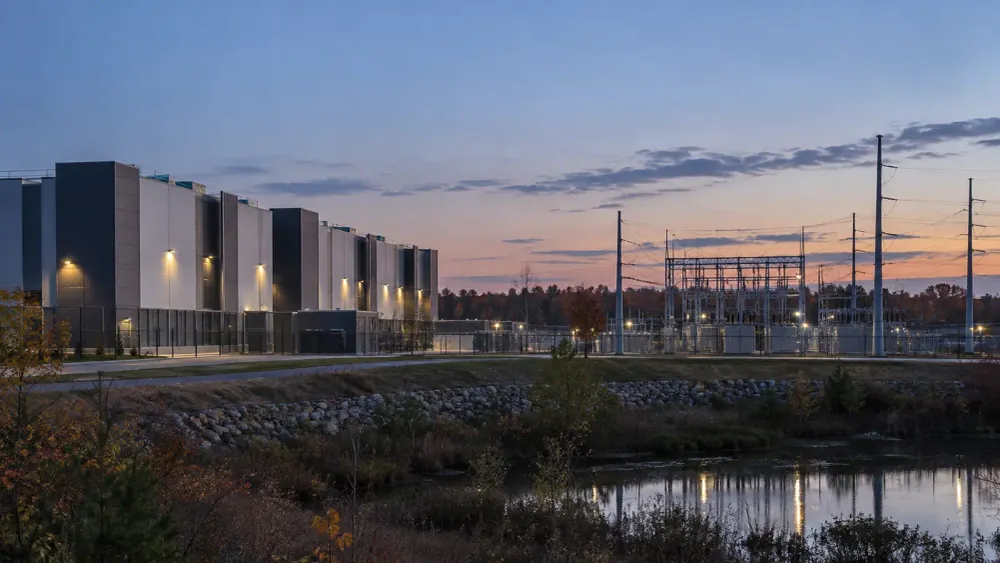
Massachusetts has put a new gate in front of large data-center projects: developments with peak electricity demand above 25 megawatts must secure local support before state permitting agencies will advance them. Executive Order 658, signed by Gov. Maura Healey on September 8, ties state review to a community benefits agreement and a broader framework intended to protect ratepayers, municipal services and the environment.
The order changes the practical sequence for developers. A qualifying project must first reach an agreement with its host community that meets state standards; only then may covered state agencies move ahead with permits. The administration also says state agencies may not use nondisclosure agreements with data-center developers except where law otherwise allows. That transparency requirement matters because negotiations can involve power demand, water use, emergency generators, tax arrangements and public infrastructure costs that residents may ultimately experience.
The energy rules are equally consequential. The governor’s announcement says large data centers should procure or develop enough incremental clean electricity to serve their annual consumption without shifting new costs onto other customers. When they cannot do so immediately, the order directs the Department of Environmental Protection to establish an alternative compliance payment by December 31. Money would flow into a new Ratepayer Protection Fund and be used for customer relief.
The December 31 deadline also applies to joint guidance from the Executive Office of Energy and Environmental Affairs and the Executive Office of Economic Development for cities and towns evaluating proposals. Utilities are instructed to develop fees or deposits for speculative interconnection studies, a step aimed at discouraging developers from reserving grid-planning capacity without a mature project. WBUR reported that the order follows the administration’s June pause on applications for the state’s 20-year sales-and-use-tax exemption for qualified data centers.
There are boundaries. The order generally covers facilities above the 25-megawatt threshold and grandfathers existing operations. It permits exemptions for projects connected to accredited academic research, health care or a state-sponsored program, but both the economic-development and environmental secretariats must approve them. Axios reported that the framework stops short of the moratoriums under consideration elsewhere and leaves implementation questions for agencies and municipalities.
For communities, the immediate takeaway is procedural: a developer cannot treat local engagement as a final-stage formality. Municipal officials should expect state guidance by year’s end, while residents should watch how proposed community benefits agreements define infrastructure upgrades, environmental protections and enforcement. Local boards will also need to decide how residents participate before an agreement is signed and how promised benefits are monitored afterward. For developers, the order adds early proof points—local consent, a credible clean-power plan and transparent grid-study commitments—before state permitting can proceed. The policy does not ban data centers, but it gives municipalities and energy regulators more leverage over how the largest projects enter Massachusetts.