
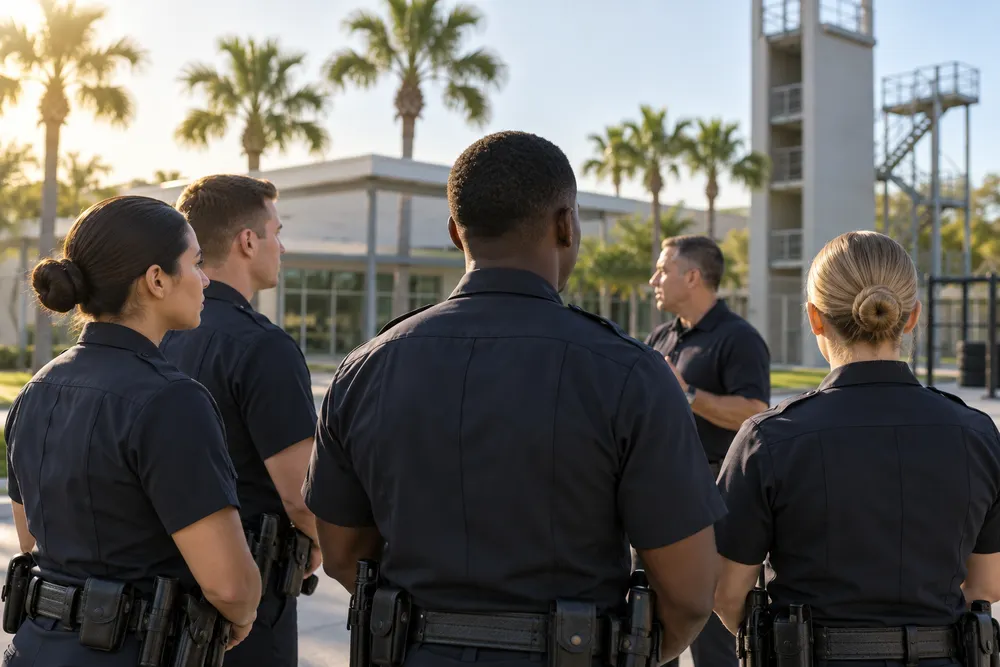
Florida distributed more than $10 million in recruitment bonuses to 1,506 newly hired law-enforcement officers on September 15, extending a statewide incentive program that has now paid nearly 12,500 officers since 2022.
The Governor’s Office announcement says each eligible officer receives a one-time $5,000 payment after taxes. Thirty-eight of the latest recipients were hired in Pasco County, but the release did not provide an agency-by-agency list for the remaining officers. The state reports spending more than $83 million on the program over four years.
The latest batch is significant because it accounts for roughly 12% of all bonuses reported since the initiative began. It also arrives after lawmakers provided another $20 million for the program in the 2026–27 budget, alongside $19.8 million in pay increases for sworn state officers and $2.5 million in raises for state firefighters.
Who qualifies and what recipients owe
The program is not a general bonus for every current officer. The Florida Commerce program page describes it as a payment for eligible officers who are newly employed in Florida. The current state statute defines a newly employed officer as someone entering full-time certified law-enforcement work in the state on or after July 1, 2022, without prior Florida law-enforcement employment.
The law ties eligibility to certification and at least two years of full-time employment. Service may span more than one Florida criminal-justice agency. The statute provides a framework for documented breaks, defines a gap between full-time jobs as no longer than 15 days and excludes break time from the two-year calculation. An officer who fails to complete the service requirement may have to reimburse the state, except when an agency discharges the officer for a reason other than misconduct.
The $10 million headline is larger than simply multiplying 1,506 recipients by their $5,000 take-home checks, which equals $7.53 million. The statute requires each payment to be adjusted for the officer’s share of federal payroll tax, and the state describes the award as $5,000 after taxes. The September release does not provide a full accounting of gross-up costs or other payment components, so the difference should not be treated as a separate benefit.
For local agencies, the program lowers the immediate cost of offering a recruiting incentive because the state finances the payment. For recruits, the important conditions are certification, full-time status and the two-year service requirement. Applicants should verify eligibility and repayment terms before treating the bonus as unconditional compensation.
The state’s cumulative totals demonstrate reach, but they do not by themselves establish the program’s effect on staffing. Florida has not published, with this announcement, a breakdown showing how many recipients came from outside the state, how many remained employed beyond two years or how vacancy rates changed at participating agencies. Those measures would be needed to determine whether the bonuses are producing lasting recruitment gains rather than accelerating hires that would have occurred anyway.