
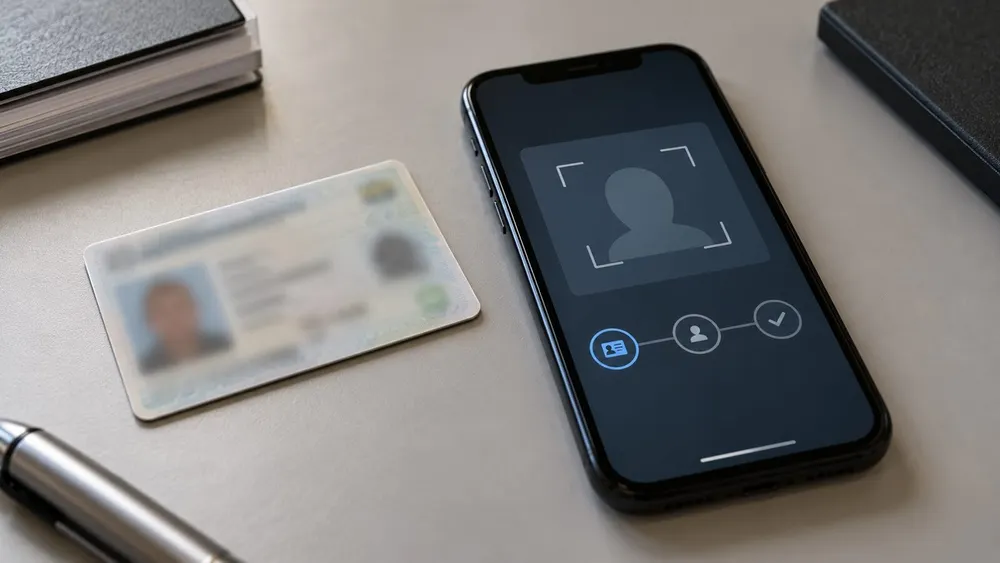
Delaware will require identity checks for community members who use prison tablet messaging or video visitation beginning Monday, Sept. 28, extending a security step already used for in-person visits to the state’s electronic communication system.
Users of the GettingOut app and website will be prompted to upload the front and back of a valid government-issued identification card plus a selfie-style photo before they can send messages or schedule a video visit. The Department of Correction’s announcement says verification is completed once; approved users will be pre-verified for future messaging and visits.
The requirement affects a statewide correctional system. Delaware’s DOC profile says the department supervises between 4,500 and 5,000 incarcerated people and approximately 13,000 people on probation, with all correctional facilities operating under one state agency.
Digital access now mirrors physical visits
Photo identification has long been required at many in-person visits. The department’s published visitation rules require identification at state prisons and allow video visits in addition to face-to-face sessions at some facilities. The new policy moves identity confirmation to online messaging and remote visitation before contact occurs.
GettingOut describes its verification service as a facility-selected safeguard intended to confirm that incarcerated users are not communicating with inappropriate outside contacts. Its instructions for capturing an ID image tell users to provide a clear, legible government-issued photo identification card.
Electronic contact is already embedded in Delaware’s system. The department’s family handbook says tablets have supported phone calls, messages and video visits since 2019. That history makes the verification change more than a niche software update: it affects an established channel families use to maintain contact across the state’s facilities.
DOC Commissioner Terra Taylor said electronic messages and virtual visits are important when in-person contact is not possible. The department says verified identities should reduce disruptive, harmful or illegal contact and opportunities to exploit incarcerated people or their families.
Practical questions remain
For families and other approved contacts, the immediate effect is an additional setup step. People without a current government ID, a compatible camera or reliable internet access may encounter barriers before they can use messaging or video. The state announcement does not describe an alternative verification route, appeal process or how long reviews are expected to take.
It also does not specify how long identity images will be retained, who can access them or what deletion rules apply. Those details matter because the process collects both an official identification document and a face image. Users should review the vendor’s current terms and privacy disclosures before submitting personal information.
The change does not replace in-person visitation or ordinary account registration. It adds a one-time identity gate specifically to electronic messaging and video scheduling. The operational test will be whether the department can reduce fraudulent or prohibited contact without creating prolonged interruptions for legitimate family communication.