California's broad October 24 waterfowl opening is not a single statewide start date, and a legal season does not guarantee a place to hunt. With opening weekend approaching, hunters need to match their location and species to the regulations, then separately check public-area access and pass requirements.
The California Department of Fish and Wildlife's October 19 announcement points to October 24 as the major opening. Its 2026–27 regulation booklet, updated July 1, provides the distinctions behind that headline: regular duck seasons in the Balance of State, Southern California and Southern San Joaquin Valley zones run October 24 through January 31, 2027.
The Northeastern California Zone began its regular duck season October 3 and closes January 13. The Colorado River Zone starts October 23 and runs through January 31. Those are zone-specific dates, not interchangeable options based on the nearest town or a statewide headline.
Species restrictions also matter. In the three October 24 zones, the booklet lists the scaup season as November 7 through January 31, rather than opening with the other ducks. Hunters should read the applicable zone table, boundaries and species provisions before making plans; this summary does not replace the operative regulations.
Access has a separate calendar
CDFW's July 6 waterfowl newsletter says reservation drawing applications must be submitted 17 days before the hunt date. For an October 24 hunt, that deadline was October 7. Applying is not the same as receiving a reservation, and the newsletter describes random selection rather than guaranteed admission.
People without an opening-day reservation should check the rules for the particular wildlife area or refuge. Vacancy drawings, refills and check-in arrangements vary. A season opening, reservation application or general description of public hunting does not establish that space remains available at a particular site.
The newsletter also distinguishes passes. Type A areas accept the specified Type A one-day, two-day or season passes; Type B areas require a Type A or Type B season pass, not a Type A day pass. It says check stations do not sell licenses, permits or passes, making advance preparation important.
For online pass purchases, the July newsletter advises allowing 15 days for mailing and directs hunters needing passes sooner to license agents. That published mailing guidance is not evidence that a pass ordered now will arrive before opening weekend. Hunters should confirm current purchase and acceptance arrangements before traveling.
Do not mistake a possibility for a closure
The newsletter flags potential water-related quota reductions at Ash Creek and Shasta Valley. That warning alone does not establish a restriction currently in force. Current area notices and the department's closure page are additional checks, alongside the license, identification and applicable stamp or validation requirements described in the newsletter.
The American Quorum has asked CDFW for current opening-week access conditions and clarification of a Colorado River goose-limit discrepancy between its booklet and web summary. Disputed goose totals are not reproduced here. Those unresolved questions do not change the separately documented duck dates and advance-access deadlines above.
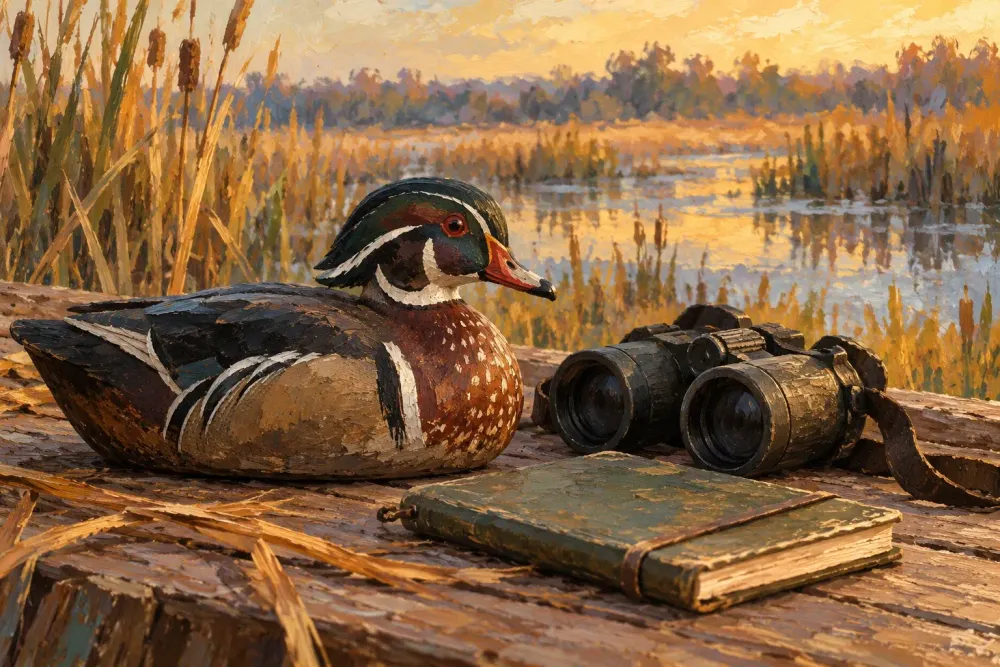
AI-generated conceptual illustration; not a photograph of a specific hunting area.