
Alabama has approved its first program for the new Workforce Pell pathway, moving Lawson State Community College’s 10-week lineworker training course closer to eligibility for federal aid. The state announced the decision September 14, but students cannot receive Workforce Pell grants for the course until the U.S. Department of Education completes a separate federal review.
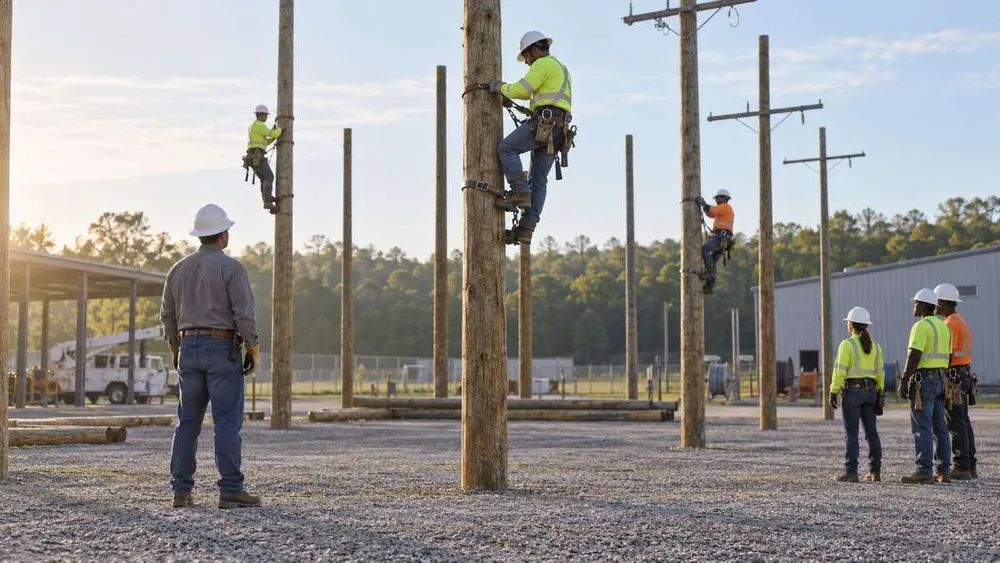
The approval is significant because it tests a new route for using Pell assistance in short, job-focused programs that were previously too brief to qualify. Lawson State’s course includes more than 400 hours of hands-on instruction in pole climbing, power-line installation, ladder safety and commercial truck driving. The college operates the program with Alabama Power, tying the curriculum to a specific workforce demand.
Under the state’s published eligibility framework, qualifying programs generally must run at least eight weeks but less than 15 weeks and provide between 150 and 599 clock hours. They also must prepare students for in-demand occupations, lead to portable or stackable credentials, have operated for at least a year and meet completion and job-placement standards of at least 70 percent.
Alabama’s Department of Workforce and Workforce Board conduct the state review, with support from the Community College System. That process is only the first gate. The federal rule creating Workforce Pell took effect July 1, 2026, and requires programs identified by governors and workforce boards to receive federal approval before aid can be awarded.
For prospective students, the practical point is timing: Lawson State has state approval, not a promise that grant money is immediately available. Applicants will still need to complete the Free Application for Federal Student Aid, meet Pell eligibility rules and wait for the program’s federal clearance. Alabama’s guidance says Workforce Pell awards are prorated for shorter programs, do not have to be repaid and count toward a student’s lifetime Pell limit. A student cannot use traditional Pell and Workforce Pell for the same enrollment period.
Local reporting on the approval similarly noted that federal authorization remains outstanding. That distinction matters for anyone comparing start dates, tuition obligations or employer-sponsored options.
Workforce Pell also does not guarantee admission, a job or full coverage of a program’s price. Prospective students should ask Lawson State for the total cost, the portion a grant would cover, required equipment expenses, credential details and the most recent completion and placement outcomes. Those questions are especially important before signing financing agreements or leaving existing employment for an intensive course.
The first approval establishes a template for other short-term providers. State officials said additional programs are preparing applications. If they clear both stages, Alabama could expand federal-aid access beyond degree programs while retaining performance and employer-demand tests. For now, Lawson State’s lineworker course is the state’s first approved candidate, and students should verify final federal eligibility directly with the college before relying on a grant in their enrollment plans.