Jamaica is entering the crucial winter travel season with its airports and cruise ports operating, most resort areas receiving visitors and a significant share of its hotel inventory restored. But nearly a year after Hurricane Melissa, the recovery remains uneven: about 20 hotels are still closed, several major resorts have pushed reopening into late 2026 or 2027, and delayed insurance payments are constraining the cash needed to finish repairs.
The divide creates a more complicated message for travelers than either “Jamaica is closed” or “everything is back to normal.” The island is open, but the condition of a specific trip increasingly depends on the hotel, resort area and reopening schedule.
The Associated Press reported Thursday that 61% of surveyed tourism-sector claimants were still awaiting full insurance settlements. The Jamaica Hotel and Tourist Association said more than eight in 10 members had filed property or business-interruption claims, while many operators reported receiving deductions they believed exceeded their policy terms. A separate Jamaica Gleaner report on the association’s survey likewise found nearly two-thirds of claims remained unresolved days before the insurance industry’s end-of-September target.
Open island, uneven hotel map
Jamaica’s official visitor guidance says all international and domestic airports and all cruise ports are operational. It also says most resort areas are functioning, while acknowledging that some properties and communities continue repairs. The guidance directs visitors to verify conditions with their hotel, airline or travel adviser rather than rely on an islandwide assumption.
That property-by-property check matters. The Jamaica Tourist Board’s rolling hotel-status list shows most listed accommodations open, but it also records important exceptions. Sandals Montego Bay and Sandals Royal Caribbean are scheduled to reopen Dec. 18; Sandals South Coast lists Nov. 18; Jewel Grande, Secrets St. James and Secrets Wild Orchid show 2027 reopenings. Luna Sea Inn and Platinum Hotel remain listed as closed. Dates are subject to change.
For travelers, the practical risk is not that Jamaica lacks functioning gateways. It is that a confirmed flight can coexist with a resort that is closed, operating with reduced inventory or shifting its reopening date. The official travel-alert page advises guests to contact the hotel or booking provider directly for the latest cancellation and rescheduling terms.
Insurance delay becomes a travel constraint
The financial bottleneck helps explain why some recovery dates remain distant. The AP and Gleaner reports both describe slow or reduced settlements as a working-capital constraint for operators that still need to finance repairs, replace equipment and cover business-interruption losses.
Insurers have pointed to the complexity of large commercial claims, a shortage of licensed property adjusters and the time required to calculate business-interruption losses. The industry’s position is that each claim must be assessed individually and that premature settlement could affect insurers and their international reinsurers. Hoteliers counter that prolonged uncertainty is delaying reconstruction and threatening the winter season.
The competing accounts do not establish that every delayed claim has been mishandled. They do establish that the dispute is now affecting room supply, employment and the timing of reopenings. That turns an insurance disagreement into a travel-capacity issue.
Demand has held up, but capacity is lower
Government data show a destination still drawing substantial demand despite the lost rooms. Jamaica recorded 2.34 million visitor arrivals and $2.5 billion in tourism earnings through Aug. 31, according to the Jamaica Information Service. Those totals were 17% and 18% below the comparable 2025 levels, respectively, figures also reported by AP.
Officials say approximately 80% of hotel inventory is operating. That is a substantial recovery, but it also means this winter’s inventory will not yet represent a full restoration.
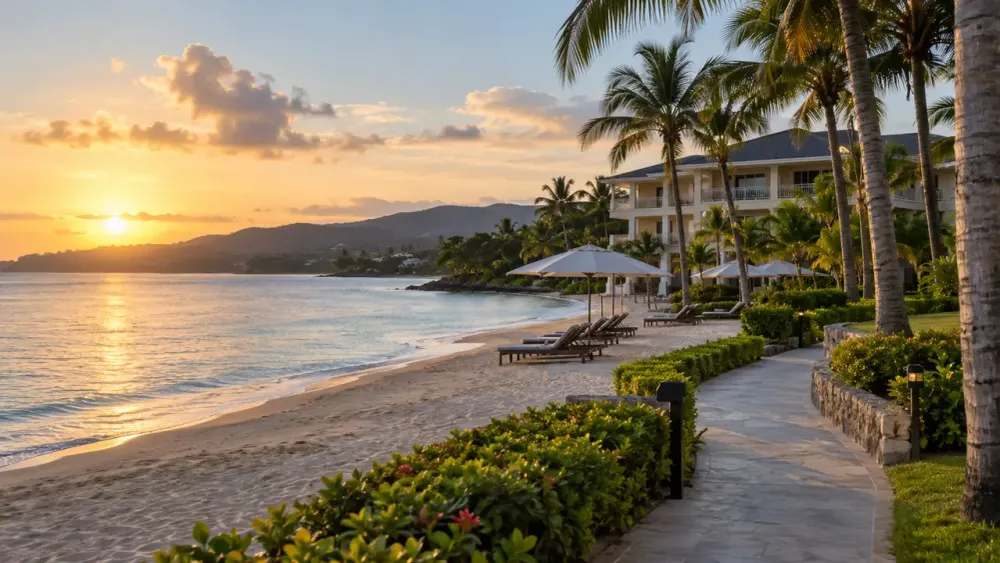
The recovery is therefore substantial but incomplete. Travelers with reservations at an open property may encounter a largely normal resort experience, especially in areas less damaged by Melissa. Those considering a property with a future reopening date should verify that construction, restaurants, pools, beaches and excursions will be fully available—not merely that rooms can be booked.
What travelers should verify
Before final payment, travelers should confirm the property’s operating status directly, ask whether all advertised amenities are available and obtain the supplier’s cancellation or relocation terms in writing. Package customers should also determine who bears responsibility if a hotel reopening moves: the resort, tour operator, online agency or insurer.
Travel insurance remains useful, but coverage varies significantly by policy. The U.S. State Department advises travelers to review terms carefully and confirm that a plan covers the relevant travel, lodging and cancellation risks. Buyers should not assume that a hurricane-related closure is automatically covered a year later.
Jamaica’s broader message is credible: visitors can travel to the island now, and tourism spending supports communities still recovering. The more precise conclusion is equally important. A Jamaica trip is currently a property-specific decision, and the safest plans are those built on current hotel confirmation rather than a destination-wide reopening claim.