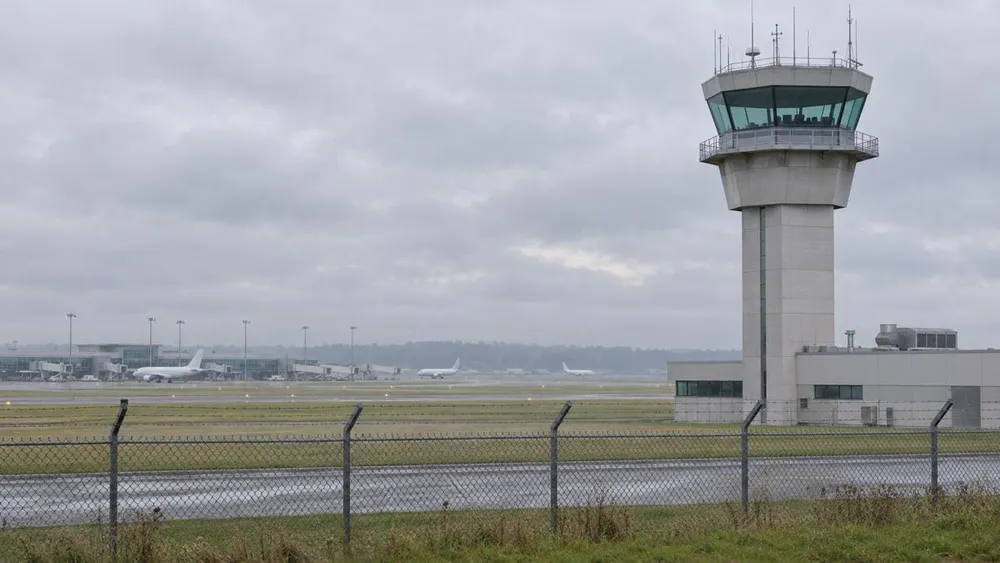
A push for up to $50 billion in aviation upgrades met questions in Congress on Monday, as the transportation system recovered from a nationwide ground stop and lawmakers asked how much of the money they already approved had been used. Transportation Secretary Sean Duffy is seeking to expand a modernization program for air traffic control and airports. Senate leaders from both parties pressed the administration for more detail on the earlier investment, Reuters reported.
Friday’s interruption followed a problem with air traffic control communications and delayed or canceled flights through the weekend. By Monday, the number of cancellations had fallen substantially, according to FlightAware figures cited by Reuters. The operational recovery shifted attention in Washington to two separate questions: how to keep the system working during the transition to new equipment, and how much more Congress should commit to that transition.
How the request grew
Duffy raised the figure from $30 billion to $50 billion after Friday’s interruption, according to Reuters. The money he is seeking would cover airports as well as air traffic control. Senate Majority Leader John Thune said only about $12 billion of the earlier $30 billion figure was intended for air traffic modernization, with the balance for airport-related projects. That distinction matters because a single total does not tell lawmakers which problems the department would address first.
House Speaker Mike Johnson said over the weekend that the request would be considered as part of an end-of-year legislative package, ABC News reported. Transportation Department staff were expected to brief House Transportation and Infrastructure Committee staff on Tuesday. That briefing gives lawmakers’ aides a chance to ask for a breakdown of what the department wants. The request still needs legislation before any additional money can be made available.
Lawmakers question the pace of existing spending
Congress provided $12.5 billion last year for the modernization effort. Thune said Monday that only about $4 billion of that amount had been spent, according to Reuters. Democrats have described the smaller figure as money spent or committed to be spent. The Transportation Department says it has finalized plans for much of the existing money and needs additional funding for communications upgrades. A single spending figure also leaves open how much work contractors have started, how much equipment has been delivered and what the FAA can install while keeping its existing network running. Those accounts distinguish plans for the money from commitments and cash payments, which can occur at different stages of a project.
Senate Democratic Leader Chuck Schumer argued in floor remarks that the administration should make fuller use of the existing appropriation. Democrats also want hearings on what went wrong during Friday’s disruption, Reuters reported. Sen. Brian Schatz, a Democrat on the Appropriations Committee, proposed shifting some of the money provided for immigration enforcement to the FAA. Duffy rejected framing the two priorities as a choice, Roll Call reported.
The existing program covers more than communications. The FAA’s plan calls for an outside integrator to coordinate deployment and for performance requirements tied to an end-of-2028 target. In budget testimony earlier this year, FAA Administrator Bryan Bedford said the agency had already replaced equipment on more than 64% of its copper-based telecommunications network as of September 1. He also cited a shift from paper flight strips to electronic displays at 21 towers. Those figures describe progress on selected upgrades, while the agency’s plan covers the wider air traffic control system.
What Congress must decide before January
Lawmakers could consider a stand-alone measure or attach aviation funding to a broader spending bill. The government is operating on temporary appropriations that expire after December 11, and Democrats take control of both chambers when the next Congress convenes in January. ABC News reported that lawmakers have yet to enact any of the fiscal 2027 spending bills. Adding the FAA request to the next funding measure would bring it into those negotiations.
Bedford’s earlier budget testimony sought $1.5 billion through the FAA’s regular facilities and equipment budget to supplement the initial appropriation. That figure and the newer request have different scopes. A spending bill could identify how much goes to telecommunications, how much goes to airports, and how the department must report its progress. Before lawmakers can compare those options, they need a common account of what is already funded and which projects need additional money to proceed.
Congressional scrutiny will also turn on the department’s explanation of Friday’s communications failure. Lawmakers can pursue that explanation through hearings while considering the modernization request. For passengers and airlines, the distinction is practical: funding an equipment replacement and explaining how the FAA will keep services available during the changeover are separate parts of the response. Tuesday’s planned staff briefing is the next opportunity to ask about both. ABC News reported no decision on how the House would take up the request.