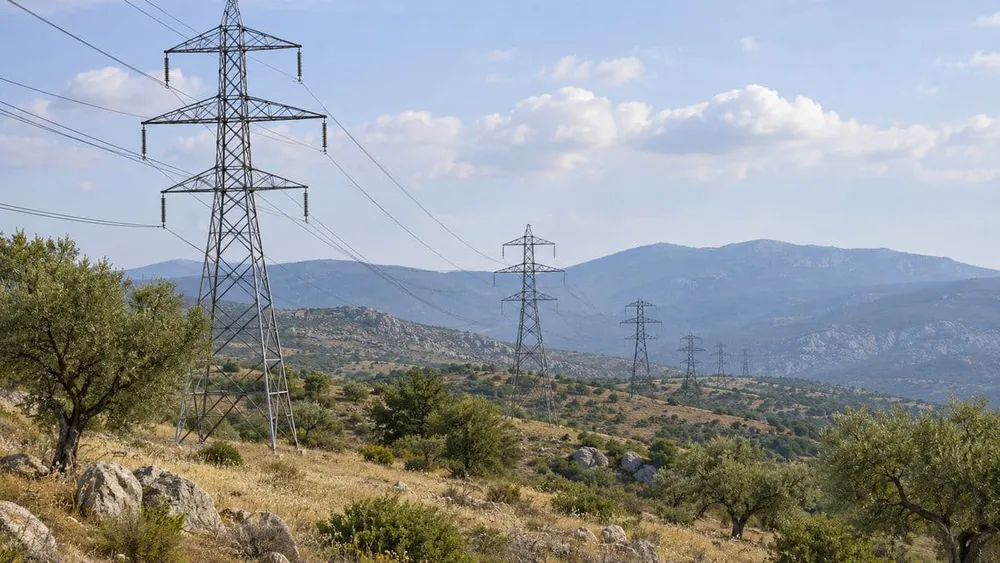
United Nations Secretary-General António Guterres called for a roughly 50 percent increase in annual investment in electricity grids by 2030 at the COP31 climate conference in Antalya, Türkiye, on Thursday. The appeal came at a meeting of the Global Grids Accelerator, a U.N. initiative that initially focuses on Africa and Southeast Asia. The United Nations said the meeting was aimed at moving from broad energy priorities to projects that can deliver electricity.
The investment figure reflects an estimate by the energy agency, the International Energy Agency (IEA), which puts annual grid spending at about $400 billion and says a rise of roughly half is needed to meet projected electricity demand through 2030. The estimate describes an investment requirement under the agency’s outlook. The meeting brought together institutions that can help develop projects, and the conference program framed the event as an effort to secure support for implementation in 2027.
Connections lag behind construction
More than 2,500 gigawatts of renewable energy, storage and large electricity-user projects are stalled in connection queues worldwide, the IEA estimates. The figure combines facilities that produce electricity, batteries that can store it, and large customers that draw power. It measures the capacity associated with projects seeking connections. The amount that ultimately comes online depends on whether projects proceed and whether the necessary connection and network capacity becomes available.
Part of the problem is timing. The IEA estimates that planning, permitting and completing new grid infrastructure can take five to 15 years, while building new solar or wind facilities can take one to five years. That mismatch means a developer can be ready to build or connect before a utility has completed the upgrades needed to carry its power. Anadolu reported that Guterres also urged countries to build or upgrade more than 80 million kilometers of power lines by 2040 and improve links across borders.
Existing networks can carry more in some places
Some of the projects waiting in queues could move sooner under rules that allow more flexible use of existing wires. The agency estimates that a combination of regulatory reforms and grid upgrades could make room for roughly 1,200 to 1,600 gigawatts of advanced projects globally. The estimate includes changes that allow projects to connect sooner if they agree to reduce their output or consumption when the network is constrained, along with technical measures that improve the capacity of existing lines.
Those options depend on conditions in each grid. A connection that allows a project to operate at most times may be useful while a utility makes upgrades. A developer still has to assess whether the hours of restricted operation affect how much electricity it can sell, and the operator has to determine what the network can handle. The IEA describes its estimates as a broad indication of potential, with actual capacity dependent on project-specific and network-specific assessments.
Adding wires also requires a supply chain that can produce equipment on the same schedule as the projects. The IEA report says prices for key grid components have nearly doubled over five years. It also identifies the workforce as a constraint, so an increase in spending does not translate directly into an equivalent increase in the amount of infrastructure built.
Regional projects need shared planning
The accelerator was launched in September, and the Antalya meeting focused on how existing regional organizations and development institutions can bring projects closer to construction. The conference program identified power-system planning, regulatory frameworks, project preparation and financing as areas in which the initiative would work. A project that spans a border can require decisions by several governments, regulators and utilities, in addition to a lender willing to finance it.
The head of the U.N. agency for project services, Jorge Moreira da Silva, pointed to the African Single Electricity Market and the ASEAN Power Grid as existing regional efforts that the initiative can build on. The regional focus gives the group a starting point for work with national authorities. The meeting’s agenda called for country-led and region-led investment priorities, which will matter when governments and lenders decide which connections should move forward first.
Financing will determine what advances
The push for grid investment unfolded alongside a broader argument over who should pay for the energy transition. Reuters reported that developing countries renewed calls for richer countries to provide more finance for clean energy, adaptation and recovery from climate-related damage, while governments expressed competing views about the future role of fossil fuels. The grid initiative gives some of those governments a practical area for cooperation even as the larger negotiations continue.
The measure of progress after Antalya will be whether governments and lenders can turn regional priorities into projects with engineering plans, approvals and committed financing. For existing networks, progress can also come from revised connection rules and upgrades that shorten waits without compromising reliability. The U.N. briefing emphasized the need to turn priorities into projects. The dates to watch will be the ones utilities and project sponsors can put against financing, construction and actual connections.