Federal disaster assistance is available for eligible infrastructure recovery in Utah’s Beaver and Piute counties after the Cottonwood Fire and subsequent flooding and mudslides. FEMA’s October 14 bulletin lists Utah under Public Assistance declarations, reinforcing the state’s October 8 announcement of the federal recovery authorization.
The governor’s office dates President Donald Trump’s approval to October 7. The declaration makes a cost-sharing reimbursement program available; it does not mean every damaged facility has an approved project or that federal money has already covered the region’s losses. FEMA’s bulletin identifies eligible governmental and nonprofit applicants, while Utah’s program guidance sets out separate tests for applicants, facilities, work and costs.
An assessment is not an award
State officials reported at least $47 million in potentially eligible damage following a joint federal, state and local assessment. Both KSL’s reporting and KUTV’s account describe that figure as an assessment of possible eligibility—not a final federal grant total.
The distinction matters for public budgets. The state announcement says the program provides 75% of eligible infrastructure repair or replacement costs. That percentage applies to costs found eligible, not automatically to every dollar in the initial damage estimate. Utah Emergency Management’s guidance requires costs to be documented, authorized, necessary and reasonable.
The damage extends beyond debris removal. The governor’s account, corroborated in the KUTV report, describes severe damage to Beaver City Power’s hydroelectric equipment, forcing the city to purchase power while its system awaited restoration. Damaged and contaminated water sources also prompted drinking-water deliveries and restrictions during the recovery.
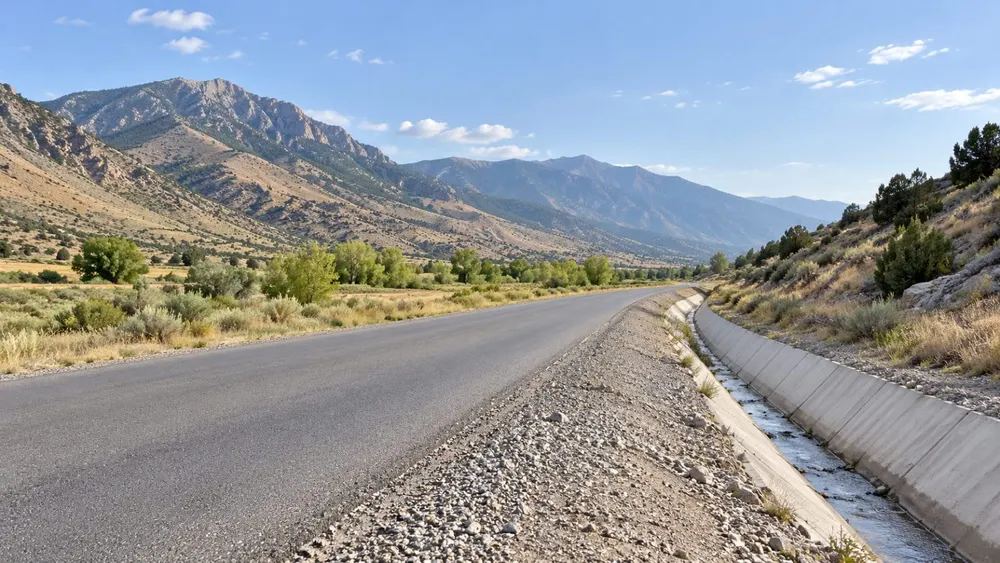
Road access is another part of the public-infrastructure challenge. In its October 8 report, KSL described continuing closures on State Route 153 through Beaver Canyon and initial repair work. Those dated conditions should not be treated as a live road-status notice; the funding announcement itself does not establish that a particular route has reopened.
Who the assistance serves
Public Assistance is directed to eligible state, tribal and local governments and certain private nonprofit organizations. It can support emergency work and repair or replacement of disaster-damaged facilities, according to FEMA and the state program description. It is distinct from Individual Assistance, which addresses qualifying personal and household needs.
Utah’s Division of Emergency Management, led by Kris Hamlet, will coordinate with FEMA and the counties and provide applicant briefings, the state announcement says. For institutional applicants, the practical next step is documenting eligible damage and costs through that process, rather than treating the declaration as an unrestricted payment.
The authorization establishes a recovery-funding pathway. How much is ultimately reimbursed depends on the eligible applicants and projects that move through the program’s review requirements. It should not be read as a guarantee of immediate reconstruction, full compensation for all losses or direct household payments.