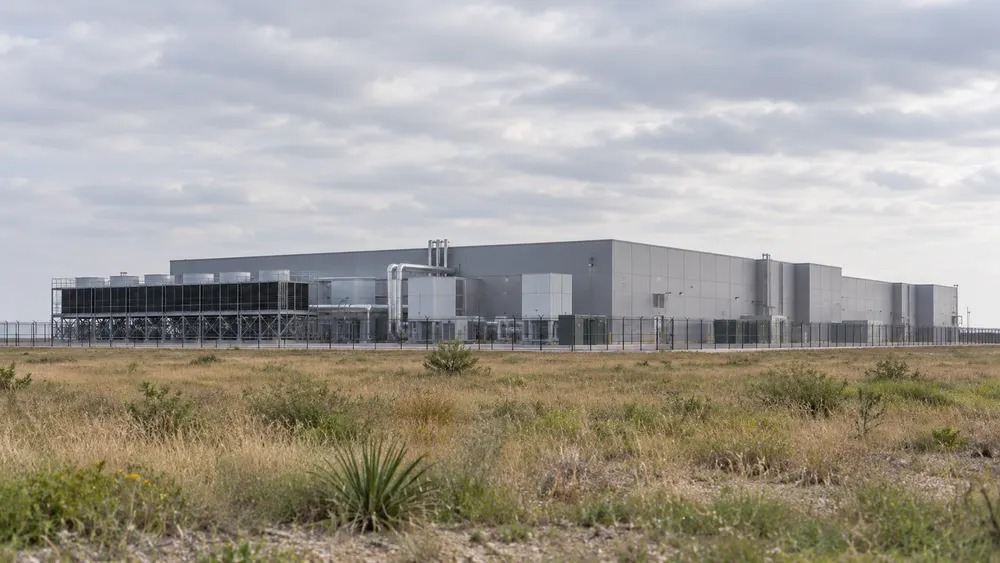
A new review of Texas environmental permitting is challenging how Gov. Greg Abbott’s data-center pause has been implemented. October 19 reporting by Inside Climate News describes 35 regulatory actions identified by FracTracker Alliance and Public Citizen after the governor’s September directive. That is a count of permitting actions, not 35 newly approved or completed data centers.
Abbott’s September letter directed the Texas Commission on Environmental Quality to stop issuing permits related to data-center projects until the Electric Reliability Council of Texas completes its review. The letter connected the pause to electricity-grid reliability and water resources, and required a compliance update to the governor by Monday, October 19. The governor assigned distinct roles to ERCOT, the Public Utility Commission and the Texas Water Development Board, seeking information on power demand and water use before further approvals.
TCEQ’s current guidance states that applications associated with data centers are temporarily halted, including construction projects seeking stormwater coverage. That public statement is important counterweight to the watchdog findings: the agency describes a pause, rather than an announced decision to lift it. The page does not, however, explain the individual records identified in the review.
The FracTracker analysis, which checked records through October 16, groups the activity into 14 applications advancing through review, 11 stormwater records with post-directive approvals, seven emission-limit certifications and three public-notice mailings. These are different stages and types of regulatory action. Engineering review or a preliminary notice should not be described as final approval of an entire campus.
Public Citizen’s separate statement says preliminary-decision notices were mailed for VoltaGrid, NRG Prairie Energy and Nexus Hubbard Power the day after Abbott’s letter. The advocacy organization says those notices triggered public-comment periods and that a TCEQ staff member advised residents to treat the deadlines as operative. That account is attributed to Public Citizen, not to interviews conducted by TAQ.
According to FracTracker’s account of its correspondence, TCEQ said October 14 that companies could submit applications but that they would not advance through review. The group argues that documented database activity conflicts with that position. Inside Climate News reported that neither the governor’s office nor TCEQ immediately answered its inquiries.
The review also identifies a classification problem: infrastructure may be filed under contractors, power companies or separate corporate entities rather than a recognizable campus name. FracTracker acknowledges that some suspected connections remain unconfirmed. Its findings therefore warrant scrutiny without turning every nearby power or construction project into a definitively established data-center permit.
The practical stakes extend beyond a database entry. TCEQ’s stormwater program regulates qualifying construction that disturbs at least one acre and requires a pollution-prevention plan before work begins. For communities following a proposed campus, the distinction between a governor’s broad directive, an individual authorization and a published comment deadline remains consequential. The new reports raise implementation questions; they do not themselves adjudicate whether a particular action violated the law.