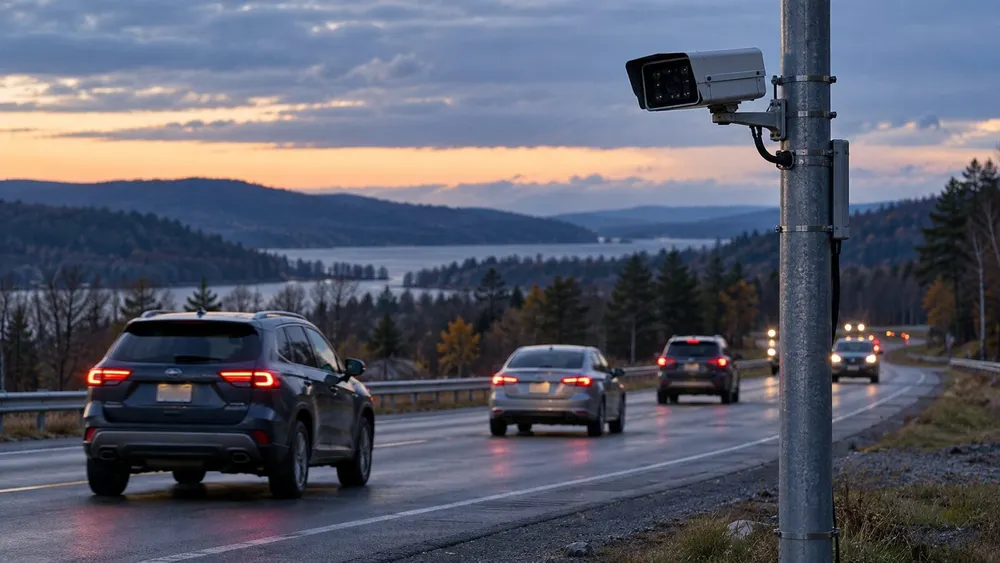
New York lawmakers are preparing a statewide framework for automatic license-plate readers that would require most captured vehicle data to be deleted within 48 hours, restrict outside access and preserve specified law-enforcement uses. Sen. Michelle Hinchey said Sept. 22 that her proposal will be a priority in the next legislative session as camera networks expand across the state.
The measure, S.9890/A.10808, would regulate systems that convert license-plate images into searchable data tied to time, location and vehicle characteristics. Its rules would reach state agencies, local governments and contractors operating systems on their behalf. It would generally bar government use except for defined purposes such as felony investigations, missing-person cases, stolen vehicles, traffic and parking enforcement, electronic tolling and security in access-controlled areas. The official bill record shows it was introduced April 13 and remains in the Senate Consumer Protection Committee.
The bill would prohibit selling plate data, require auditable access logs and block out-of-state law-enforcement agencies from obtaining New York data without judicial authorization. Agencies using the technology would have to publish annual reports listing camera locations, scan totals, database matches, false matches and resulting arrests or prosecutions. People harmed by violations could sue for damages and attorney fees. Data linked to an investigation or retained under a warrant could be kept longer than 48 hours; speculative storage for possible future use would be prohibited.
The proposal arrives amid evidence that the systems are already used at substantial scale. A Long Island review reported 2,806 manual Flock database searches in June by Nassau and Suffolk police and the Suffolk County district attorney’s office. That total did not include automatic alerts. Flock says its platform now uses a seven-day default retention period, but a company setting is not a statewide legal limit and agencies can preserve records under their own rules.
Legal pressure is also building. Four motorists sued Westchester County this summer over a network they say produced 1.6 billion scans and shared data with more than 50 agencies. The lawsuit challenges warrantless collection under the state constitution; the allegations have not been adjudicated. Separately, local governments have been writing their own rules, producing different retention periods and access standards from one jurisdiction to another.
Supporters say the statewide bill would replace that patchwork with one set of guardrails while retaining uses tied to concrete public-safety needs. Police and local officials may still argue that 48 hours is too short for investigations that begin after a delay, or that public reporting could reveal deployment tactics. Those questions will be central when the measure returns to committee. For drivers, the practical issue is straightforward: whether routine travel should create a government-searchable location history, and if so, who may search it, for how long and under what oversight.