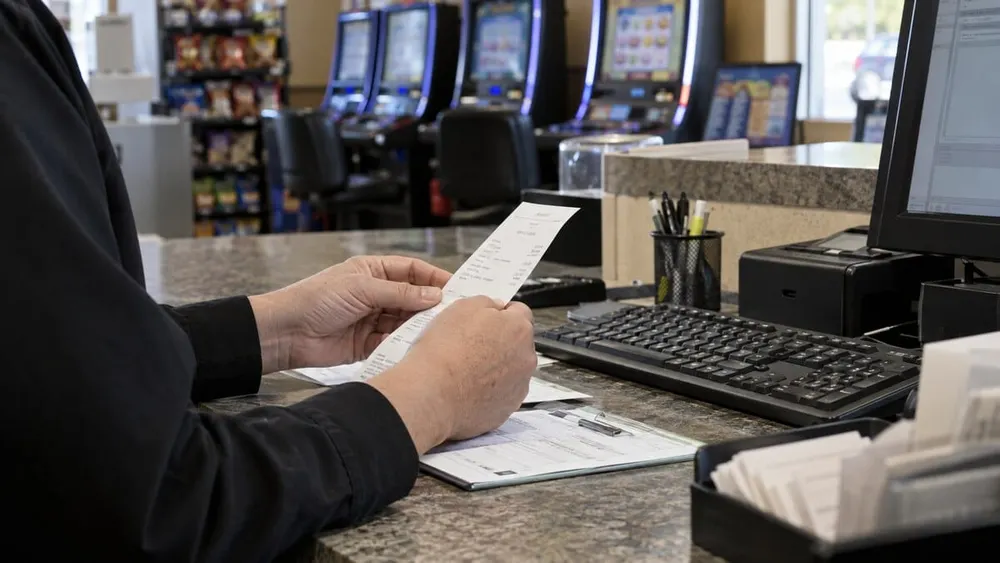
Nebraska businesses that operate cash-prize amusement devices will have to screen qualifying handpays against the state’s debt database beginning Dec. 1, a change that can reduce or eliminate what some winners receive at the counter. The Nebraska Department of Revenue says licensed distributors and operators must check the Winnings and Gambling Earnings Recovery system, known as WAGER, before paying any cash-device prize that triggers the state’s Form 1099 requirement.
The practical threshold is a prize of more than $1,199. An April 13 department notice says Nebraska’s reporting threshold governs even though the federal reporting threshold increased in 2026, because the state amount is lower. Operators should therefore build a WAGER lookup into the handpay process before Dec. 1 rather than rely on federal reporting rules alone.
What happens when WAGER finds a match
The system covers overdue child, medical or spousal support and other state liabilities. Under the Gambling Winnings Setoff for Outstanding Debt Act, participating agencies may submit certified support debts of at least $25 and outstanding liabilities administered by the departments of Revenue, Labor or Motor Vehicles. If a winner is identified, the operator must deduct the amount shown, pay any remaining balance to the winner and remit the withheld money to Revenue.
The law also sets the order for distributing intercepted money: certified support debt goes first, followed by other state liabilities on a proportional basis. Revenue must send notice within 20 days when an offset addresses a state liability, and the person has 30 days from the mailing date to contest the claim. Comparable notice and hearing provisions apply when the deduction is tied to support debt.
What operators need to change
The obligation applies to cash devices as defined by Nebraska law, including machines capable of awarding cash, gift cards or other instruments with a currency value. The Mechanical Amusement Device Tax Act requires licensed operators and distributors to perform the lookup, deduct confirmed obligations and send the offset to Revenue. Failure to check can be treated as a licensing violation, making the new step more than an optional fraud-control practice.
Operators should identify every employee who can authorize handpays, document who will access WAGER, and revise payout procedures before the effective date. The collection law restricts database use to required checks and preserves the confidentiality of information returned by the system. A person who knowingly tries to evade an offset by handing winnings to someone else for payout or by using fraudulent identification can face a Class I misdemeanor.
The Dec. 1 rollout is separate from casino, parimutuel and sports-wagering offsets, which were assigned an earlier implementation window. For cash-device businesses, the key operational point is narrower: a Nebraska prize over $1,199 will require a database check before payment, and a match turns the operator into the collection point for the amount the state says is due.